Last updated October 31, 2026
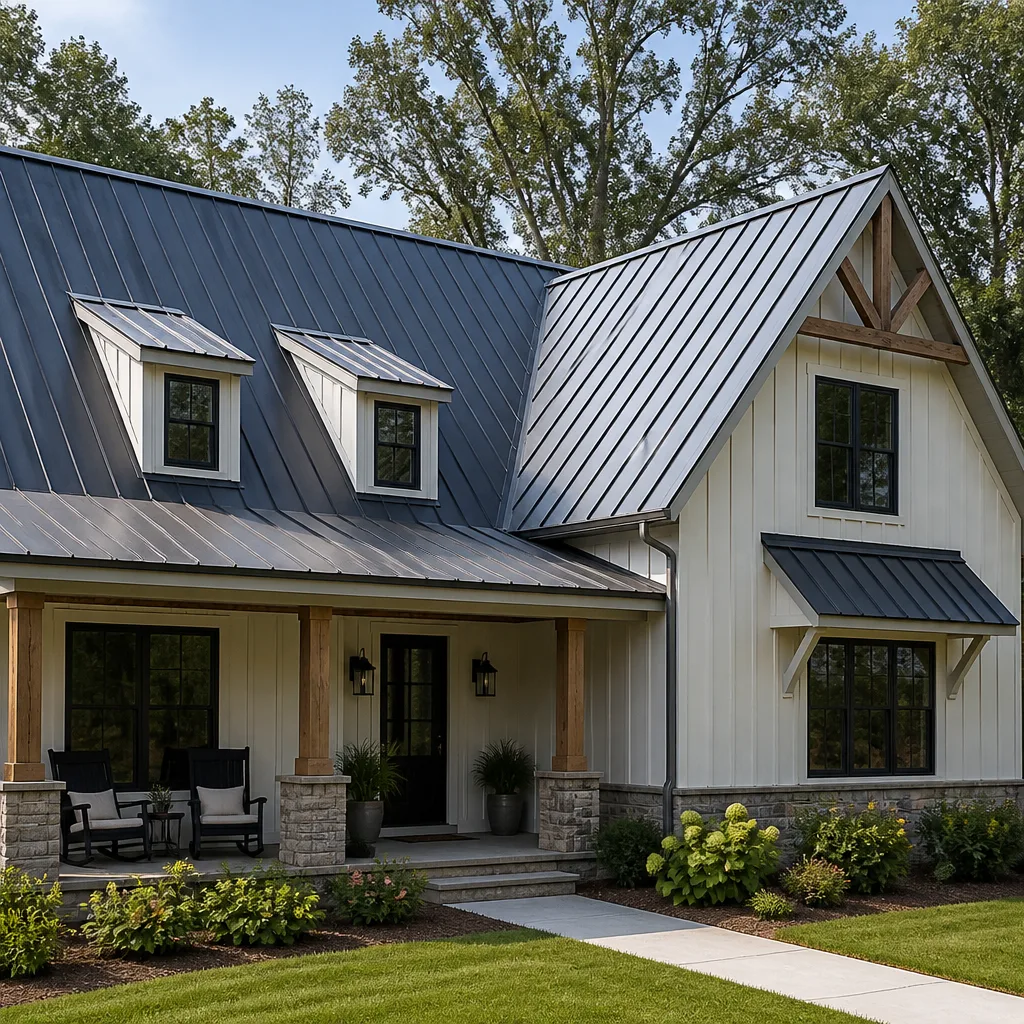 Metal roofing
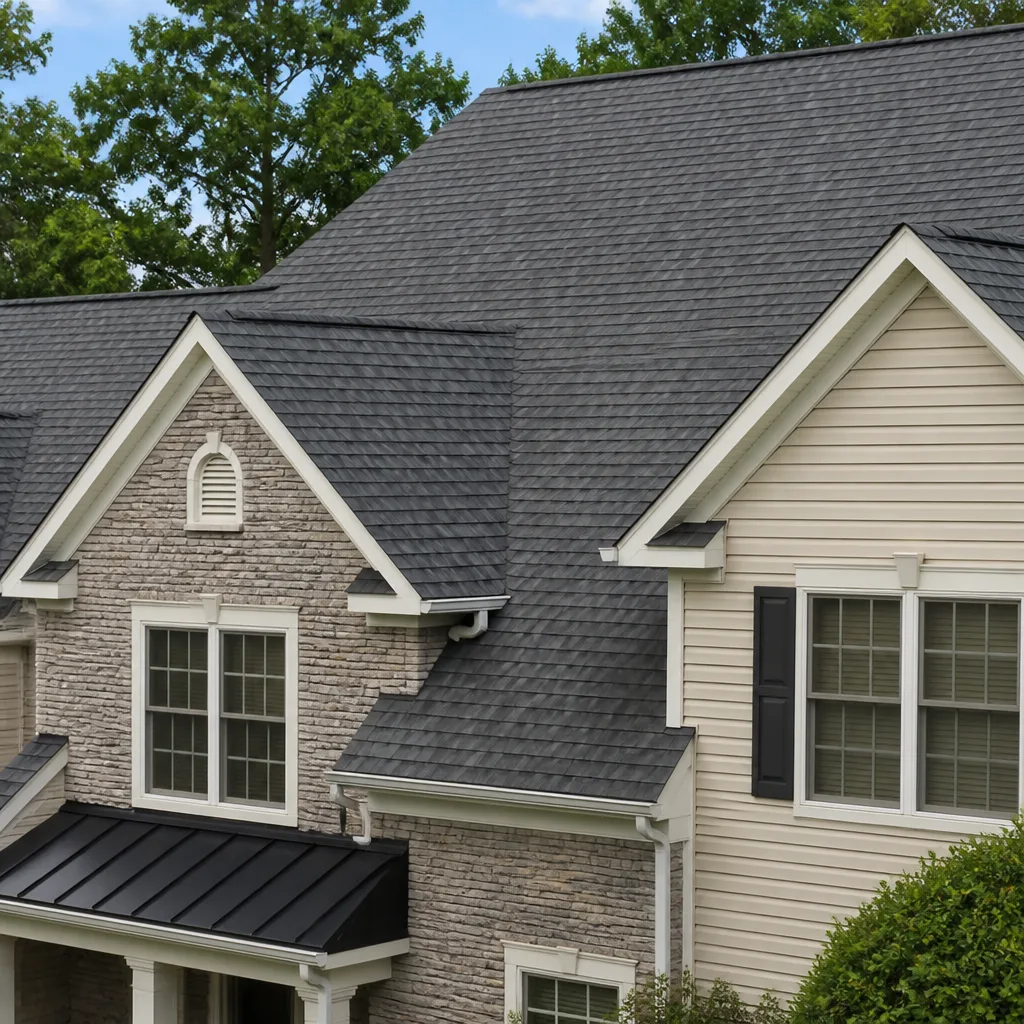 Architectural shingles
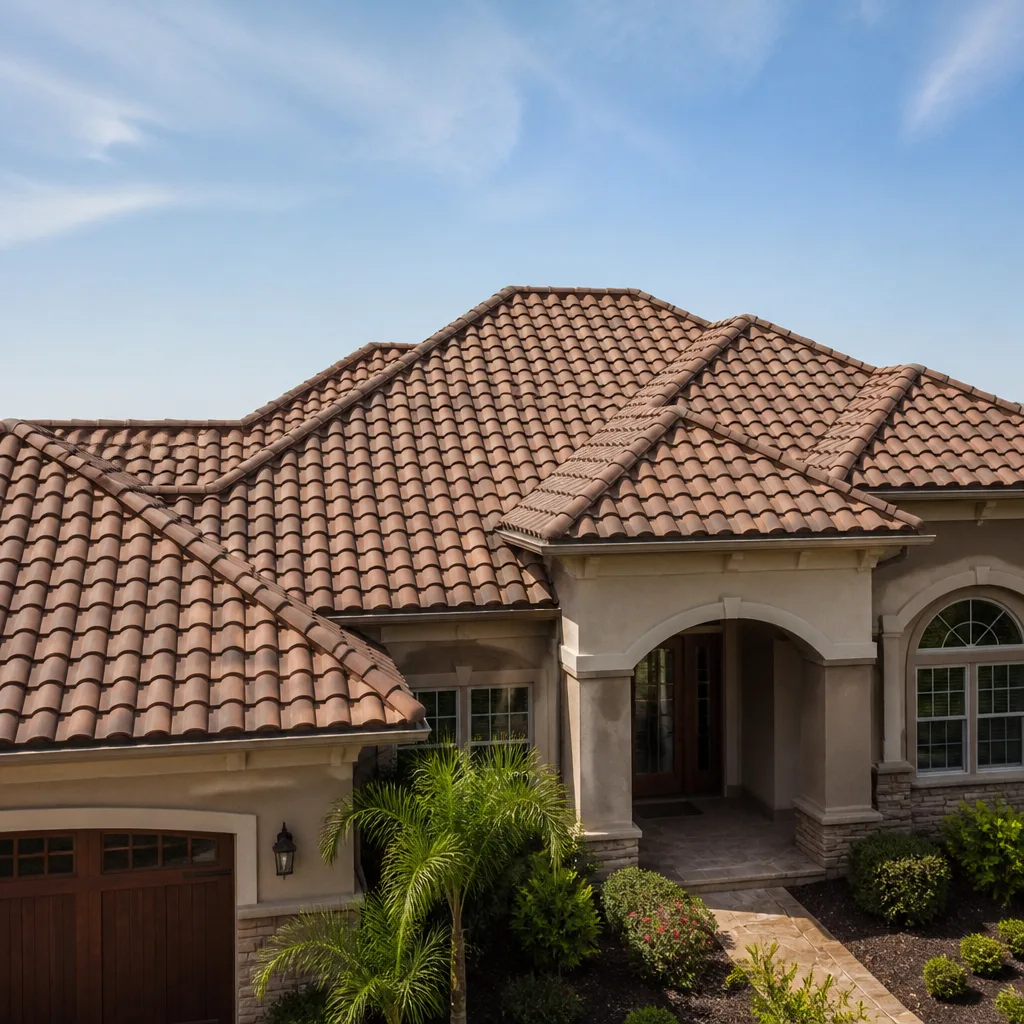 Tile roofing
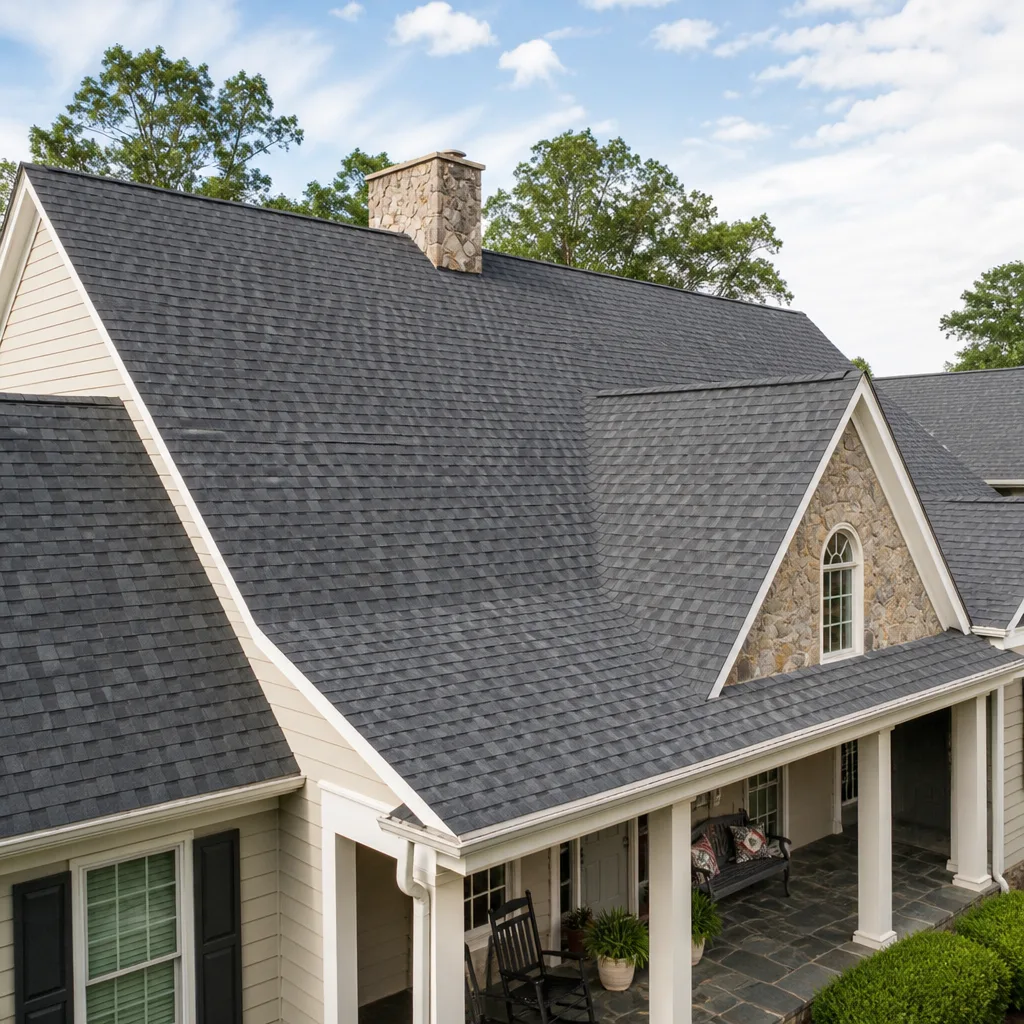 GAF
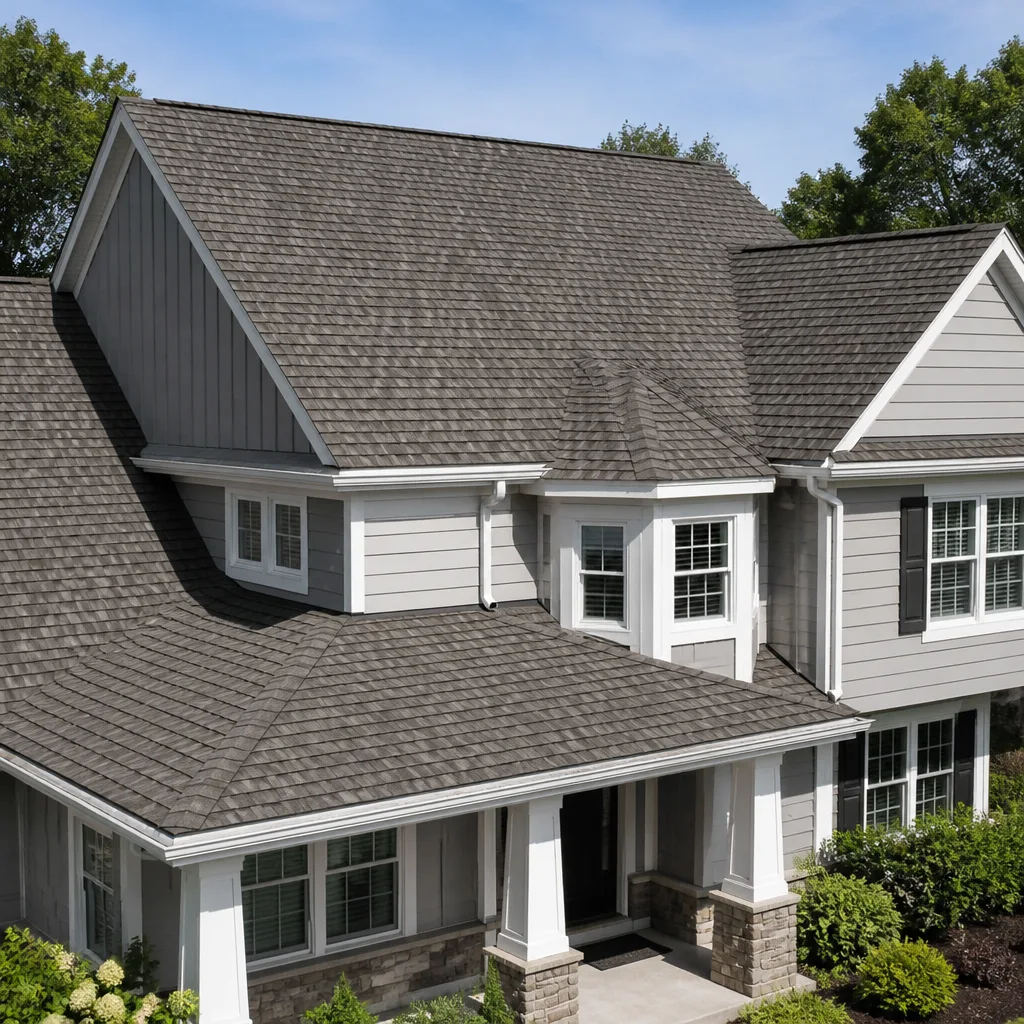 Owens Corning
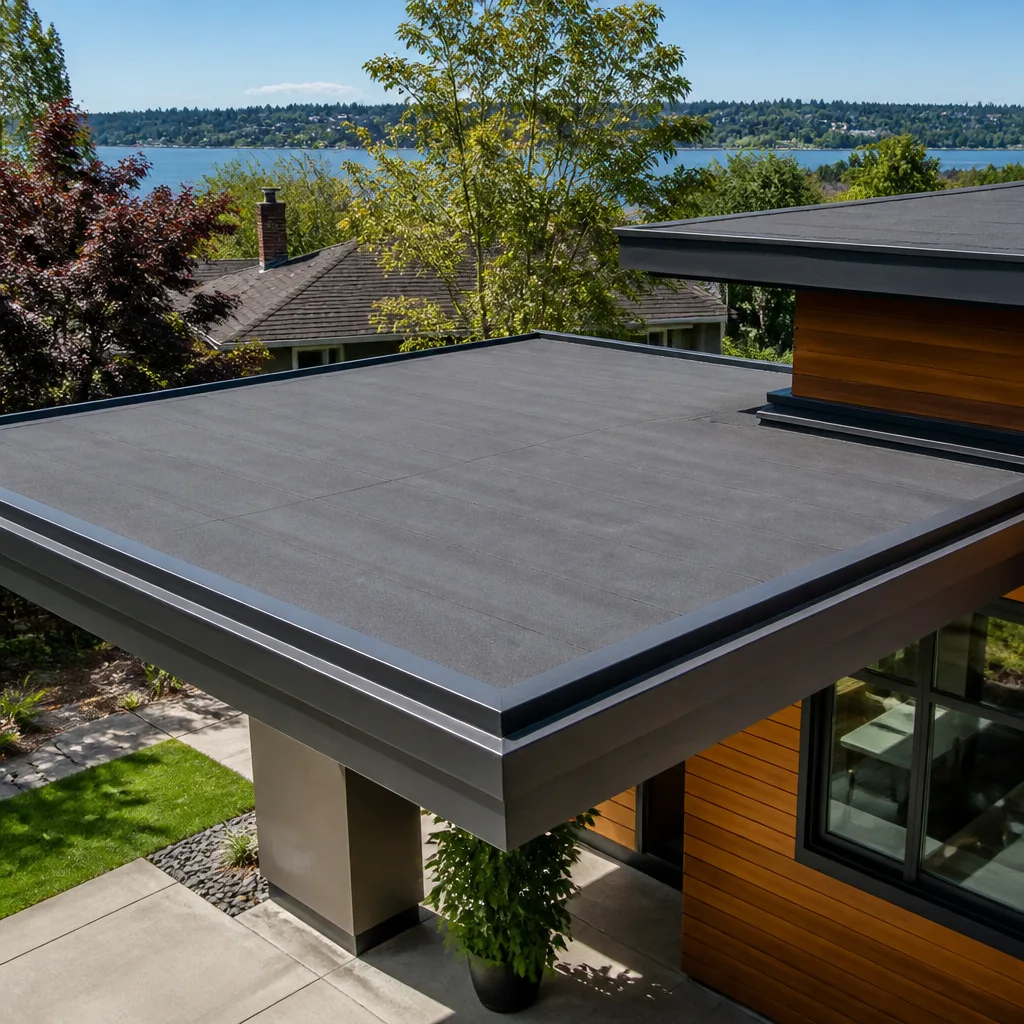 Flat & low-slope
Free roof inspection with deck photos before we talk money - GAF and Owens Corning certified installation
Choosing the Right Roofing Brand: A Buyer’s Guide for Burbank
Here’s something most roofing brand guides won’t tell you: a 50-year shingle warranty is only meaningful if the manufacturer is still honoring claims in year 20. The roofing industry’s history of warranty acquisitions, company dissolutions, and pro-rated claim structures means the warranty term printed on the box is one of the least predictive numbers in your decision. This guide walks Burbank homeowners through what actually matters: fire ratings, thermal performance in Valley heat, roof structure, and honest budget planning. You’ll learn how to evaluate any manufacturer against your specific roof, not their marketing budget.
Quick Answer
The right roofing brand for a Burbank home is the one that clears three filters in this order: a Class A fire rating compliant with Burbank’s Very High Fire Hazard Severity Zone (VHFHSZ) requirements, a thermal performance profile suited to inland Valley heat, and a product line your roof’s structure can actually support. Brand loyalty matters far less than spec matching. From the seven manufacturer lines we work with at Marquis Roof Repair, the right choice is never the same for two houses.
Styles & brands we work with
Table of Contents
- The Class A Fire Rating Filter: What Burbank’s VHFHSZ Actually Requires
- Thermal Performance in Burbank’s Valley Heat: Why SRI and Reflectivity Matter Here
- Reading a Manufacturer Warranty Like It’s a Contract, Not a Brochure
- Brand Availability by Contractor Tier: Why Not Every Premium Line Is on Every Truck
- Matching Material Weight to Older Burbank Roof Decks
- How the Major Brands Actually Compare for Burbank Conditions
- What Different Brand Tiers Cost in Burbank’s Market
The Class A Fire Rating Filter: What Burbank’s VHFHSZ Actually Requires
Before you consider a single shingle color or tile profile, filter every brand option through fire rating. Large portions of Burbank sit within a Very High Fire Hazard Severity Zone. City code and California Building Standards require Class A roofing assemblies in these areas, which means the entire roof system, not just the covering, must pass the most stringent flame-spread test. Class A materials include most asphalt shingle lines, certain metal profiles, and specific tile products. Untreated wood shakes and shingles fail this filter entirely, as do some lower-grade composite products.
Here’s the step-by-step way we evaluate this at Roof Inspection in Burbank:
- Confirm the zone. Check Burbank’s VHFHSZ maps or ask your contractor to verify the address. Not every Burbank street falls within the zone, but many hillside and foothill properties do.
- Verify the assembly rating, not just the product rating. A Class A shingle installed over a non-compliant underlayment or deck may not achieve a Class A assembly. The manufacturer’s installation instructions define the approved system.
- Request documentation. The product should carry a third-party listing (UL or FM). If a brand can’t produce it quickly, eliminate it.
Atlas, Tamko, and GAF each offer Class A rated asphalt shingle lines commonly used on Burbank homes, but the specific product tier within each brand varies. For example, Atlas Pinnacle Impact carries a Class A assembly rating when installed per spec, as does GAF Timberline AS II. Tamko’s Heritage line meets the same standard. The takeaway: Class A is a system-level claim, so treat it as a filter, not a brand differentiator.
Thermal Performance in Burbank’s Valley Heat: Why SRI and Reflectivity Matter Here
Burbank gets hot. Not Palm Springs hot, but consistently into the 90s and 100s through July, August, and September. Coastal microclimates like Santa Monica or Manhattan Beach can use darker roofs without the same energy penalty, because marine air moderates attic temperatures. Burbank sits inland, in the San Fernando Valley’s heat profile, where roof surface temperatures on a dark shingle can exceed 160°F on a summer afternoon. That heat transfers into the attic, drives cooling costs, and accelerates material aging.
Two numbers matter more than most homeowners realize:
- Solar Reflectance Index (SRI): A combined measure of reflectivity and thermal emittance. Higher SRI means the roof stays cooler. Shingles with SRI values above 29 qualify for certain cool roof credits; SRI above 82 is designated as steep-slope cool roof by ENERGY STAR.
- Reflectivity percentage: Standard asphalt shingles reflect 15-25% of solar radiation. Cooler product lines reach 30-40%, which translates to a measurable attic temperature drop of 10-20°F in Burbank’s summer conditions.
Boral’s concrete and clay tile products offer natural thermal mass and often carry higher reflectivity profiles than asphalt, especially in lighter color blends. Atlas has invested in cool color technology across several lines. GAF’s Timberline CS (Cool Series) is a direct answer to this need. In our experience, Burbank homeowners who spend real time living upstairs in a second story, or who cool an unconditioned attic space, notice the difference from a cool roof product within one season.
Reading a Manufacturer Warranty Like It’s a Contract, Not a Brochure
Roofing warranties are dense documents designed to sound generous while limiting exposure, as detailed in The Complete Roof Repair Guide for Burbank Homeowners. The number on the shingle package, 30 years, 50 years, lifetime means the duration of the pro-rated coverage window, not the period during which you’ll get meaningful compensation. Here’s the anatomy that actually matters for a Burbank homeowner holding this warranty twenty years from now.
Pro-ration schedule. Most asphalt shingle warranties provide full replacement value only for the first 5-10 years. After that, the manufacturer pays a declining percentage based on years of service. A 50-year warranty at year 20 may reimburse 40% of material value only, with no labor coverage. Read this table before selecting a product. Some Tamko and Atlas lines carry more favorable early-year pro-ration curves than others, but every curve slopes down.
The labor coverage cliff. Manufacturer defects are rare in the first decade, but when they occur, the shingle manufacturer typically reimburses materials only. Installation labor runs $3-$6 per square foot in Burbank’s market, and it’s yours to cover unless the contractor offers a separate workmanship warranty. Differentiate between the manufacturer warranty and the installer warranty. They are not the same document, and one does not extend the other.
Transferability. If you sell your Burbank home before the roof is replaced, does the warranty transfer to the buyer? Some lines allow one transfer with a time limit and a transfer fee. Others terminate upon sale. This affects resale negotiation, because a transferable warranty is a documented asset. Boral’s tile lines often carry some of the strongest transferability terms in the industry, while certain premium asphalt lines restrict transfer to the original owner only.
Brand Availability by Contractor Tier: Why Not Every Premium Line Is on Every Truck
Here’s a fact most homeowners discover too late: manufacturer product lines are distributed through contractor certification tiers. A roofing company can’t just order any premium shingle from a supply house and install it under a full manufacturer warranty. The manufacturer restricts access to certain lines based on the contractor’s certification level, training completion, and installation volume.
What “certified installer” actually requires varies by brand:
- Factory training: Contractors attend manufacturer-run installation courses, usually annual, to stay current on product changes.
- Installation volume minimums: Some brands require proof of regular installation of their products to maintain certified status.
- Inspection authority: Certified installers can often perform their own warranty registration and initial inspection, rather than waiting for a manufacturer field rep.
- Extended warranty eligibility: The enhanced warranties, wind coverage upgrades, and workmanship add-ons are only available when a certified installer does the work.
Because Marquis Roof Repair home carries seven manufacturer lines, we’re not limited to whichever brand our local supply house stocks heavily that month. A single-brand contractor in Burbank will, by definition, recommend their brand. A dual-brand contractor has two options. Our recommendation starts with the roof’s requirements and then matches the product line that fits. That’s the definition of brand-agnostic guidance, and it’s what the multi-brand portfolio allows.
Matching Material Weight to Older Burbank Roof Decks
If your Burbank home was built before 1980, the roof deck was almost certainly engineered for asphalt shingle weight: roughly 2 to 4 pounds per square foot. Concrete tile from Boral runs 8 to 12 pounds per square foot. Clay tile is similar or heavier. That’s a 3x to 5x weight increase, and the deck doesn’t care how beautiful the tile looks. It cares about load paths, rafter spacing, and shear capacity.
Burbank’s older housing stock includes many post-war tract homes with 2×4 rafter construction and 24-inch on-center spacing. Adding heavy tile without evaluation risks sagging, cracking, or, in the worst case, structural failure during a seismic event. Los Angeles County building codes require a structural engineer’s evaluation before installing tile over a roof not originally designed for it. This is not a manufacturer issue, it’s a structural one, but it affects which brands are realistic for your house.
- Boral concrete and clay tile: Requires structural confirmation on older decks. Works beautifully on newer construction or reinforced retrofits.
- GAF, Atlas, and Tamko asphalt shingles: Designed for standard residential deck loads. Usually a direct fit on Burbank’s older homes.
- Metal options: Often lighter than asphalt, but less common on Burbank’s aesthetic profile, which leans traditional.
When we complete a Roof Replacement in Burbank, we evaluate the deck before recommending any tile product. If the homeowner wants tile, we refer them to a structural engineer for the evaluation, then build or reinforce the deck to spec before installation. If the deck can’t support tile without major additional cost, we’ll be honest about that, and recommend a premium asphalt line that fits the existing structure.
How the Major Brands Actually Compare for Burbank Conditions
Here’s a straightforward comparison of the four brands most relevant to Burbank’s roofing market, evaluated against the filters we’ve covered, not against advertising campaigns.
GAF: The largest asphalt shingle manufacturer in North America. Timberline HDZ and Timberline CS (Cool Series) are installed frequently on Burbank homes. Strong distribution network means replacement shingles are easy to source years later. Warranty claims are handled through a massive corporate structure, which can be efficient or slow depending on the claim type. Certified installers can offer enhanced wind and workmanship warranties.
Atlas: Smaller than GAF but aggressively positioned on impact resistance and cool roof technologies. Their HP42 and Pinnacle lines carry strong SRI values for the asphalt category. Atlas has historically offered more favorable early-year pro-ration terms on certain lines. Distribution in Southern California is solid, and their product availability through certified contractors is less restrictive than some competitors.
Tamko: Heritage Woodgate and related lines offer a strong warranty profile and competitive pricing in the premium asphalt tier. Tamko is widely distributed in the LA market. Their install base in Burbank is smaller than GAF’s, which means product matching for repairs requires verifying the specific line and color, but supply is generally accessible.
Boral: The only tile manufacturer on this list. Concrete and clay tile dominate Burbank’s Spanish and Mediterranean style neighborhoods, especially in the hillside districts. Boral’s product carries the structural weight we discussed earlier, the highest reflectivity profiles for Burbank’s heat, and the strongest Class A fire performance of any roofing category. Tile is a 50-year-plus roof when installed correctly.
None of these brands is universally the best for every Burbank home. The right one depends on your roof’s structure, your fire zone, your energy priorities, and your budget horizon. That’s the entire point of this guide.
What Different Brand Tiers Cost in Burbank’s Market
Asphalt shingle replacement in Burbank typically runs $6.50 to $11 per square foot installed, depending on the product tier and roof complexity. Tile installation runs $12 to $22 per square foot. These ranges are specific to LA County labor rates and Burbank’s typical roof profiles, including moderate access conditions and standard permit costs.
| Brand Tier | Material Cost (per sq ft) | Installed Cost (per sq ft) | Typical Lifespan |
|---|---|---|---|
| Atlas entry asphalt | $1.50-$2.50 | $6.50-$8.50 | 25-30 years |
| GAF Timberline HDZ | $2.00-$3.50 | $7.50-$9.50 | 30-35 years |
| Atlas Pinnacle / Tamko Heritage | $2.50-$4.00 | $8.50-$11.00 | 30-40 years |
| Boral concrete tile | $4.00-$8.00 | $12.00-$18.00 | 50+ years |
| Boral clay tile | $6.00-$12.00 | $15.00-$22.00 | 60+ years |
These are planning numbers, not quotes. Burbank roof complexity varies by neighborhood: hillside homes with steep pitches, cut-up rooflines, and limited staging areas run higher on labor than the flat or low-slope roofs in the Magnolia Park flats. Every roof gets a site-specific estimate before we begin work, and it’s always a written line-item quote, never a verbal ballpark. If you’re still in the research phase, call us for a free estimate and we’ll walk you through the exact numbers for your house.
Common Mistakes to Avoid
- Choosing a brand before checking your VHFHSZ status. You can fall in love with a product that fails Burbank’s code requirements, which means paying for something you’ll have to change or fight for. Check the zone first.
- Assuming the warranty number equals the useful life. A 50-year warranty doesn’t mean the roof lasts 50 years without issue. It means there’s a declining reimbursement schedule that probably pays little by year 20. Read the pro-ration table before deciding.
- Ignoring the labor coverage gap. Manufacturer warranties rarely cover installation labor after the first few years. If the installer’s workmanship warranty is thin, that’s a real exposure, especially with Burbank’s summer heat stress cycling on asphalt.
- Forgetting about weight on older Burbank homes. Beautiful Boral tile on a 1950s roof deck without structural evaluation is a risk, not an upgrade. Weight calculations come before aesthetics.
- Picking a brand by advertising recall. The most recognizable brand in roofing isn’t necessarily the best product for your specific roof profile, heat exposure, or budget. Know the spec, not the slogan.
- Skipping the manufacturer’s certified installer requirement. Buying a premium shingle and having a non-certified contractor install it can void the enhanced warranty. Confirm the installer’s status with the manufacturer directly.
- Not asking about repair matching before you buy. If a specific shingle line is discontinued, finding matching repair material for a small Burbank repair years later can be difficult. Ask about product line stability and local availability.
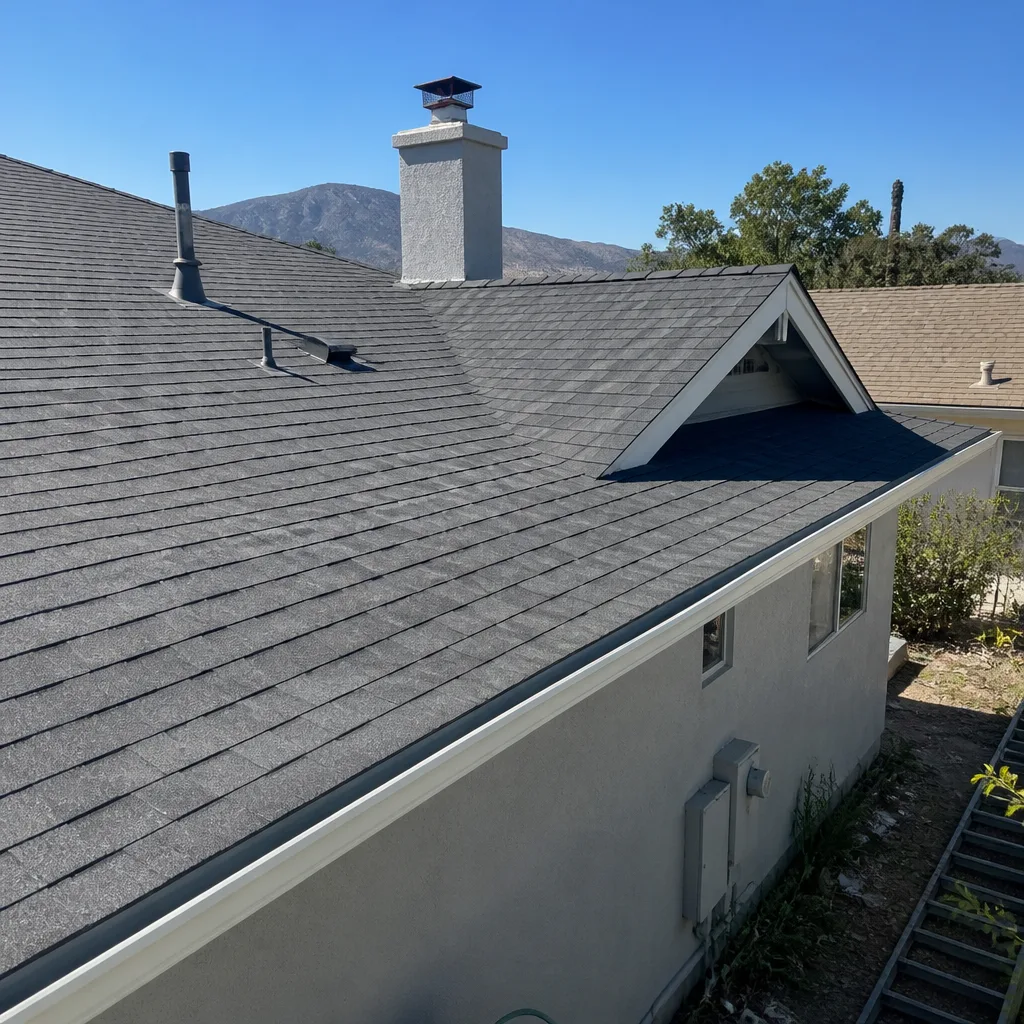
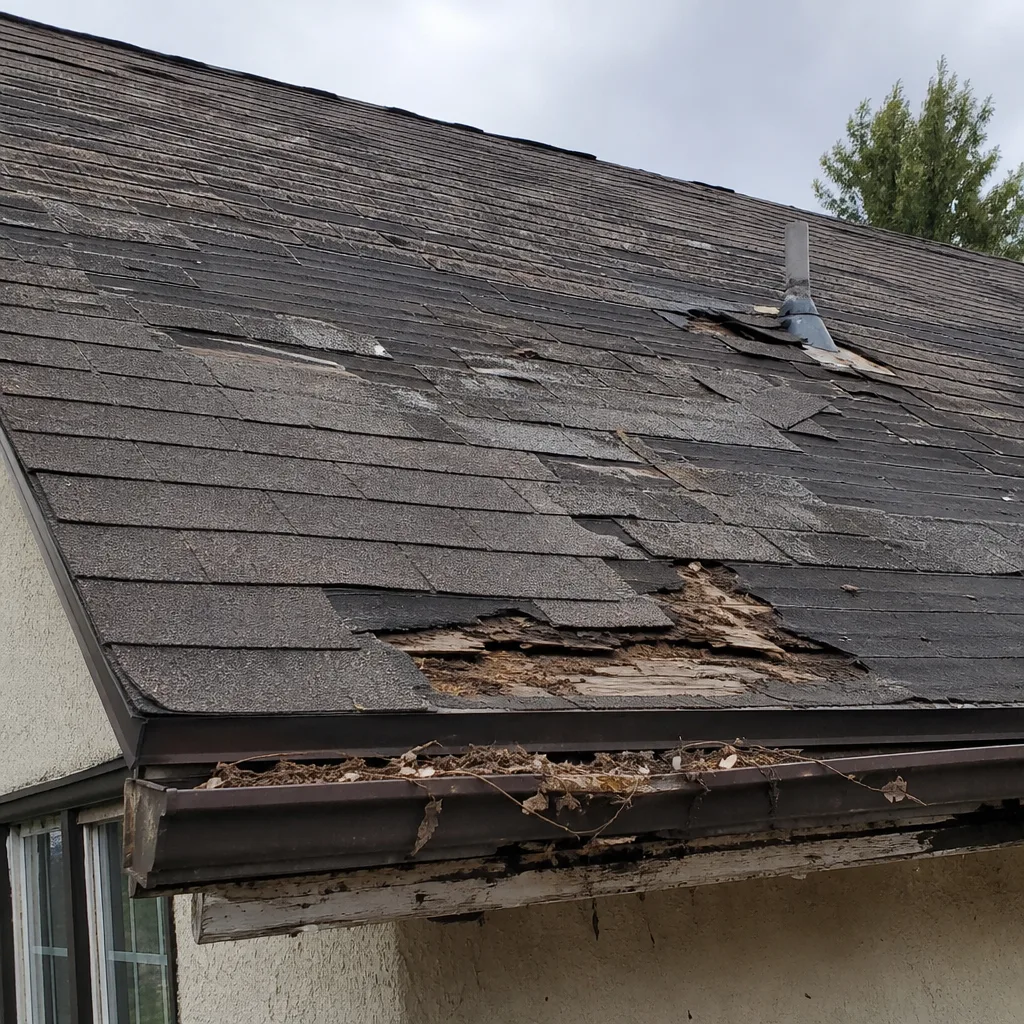
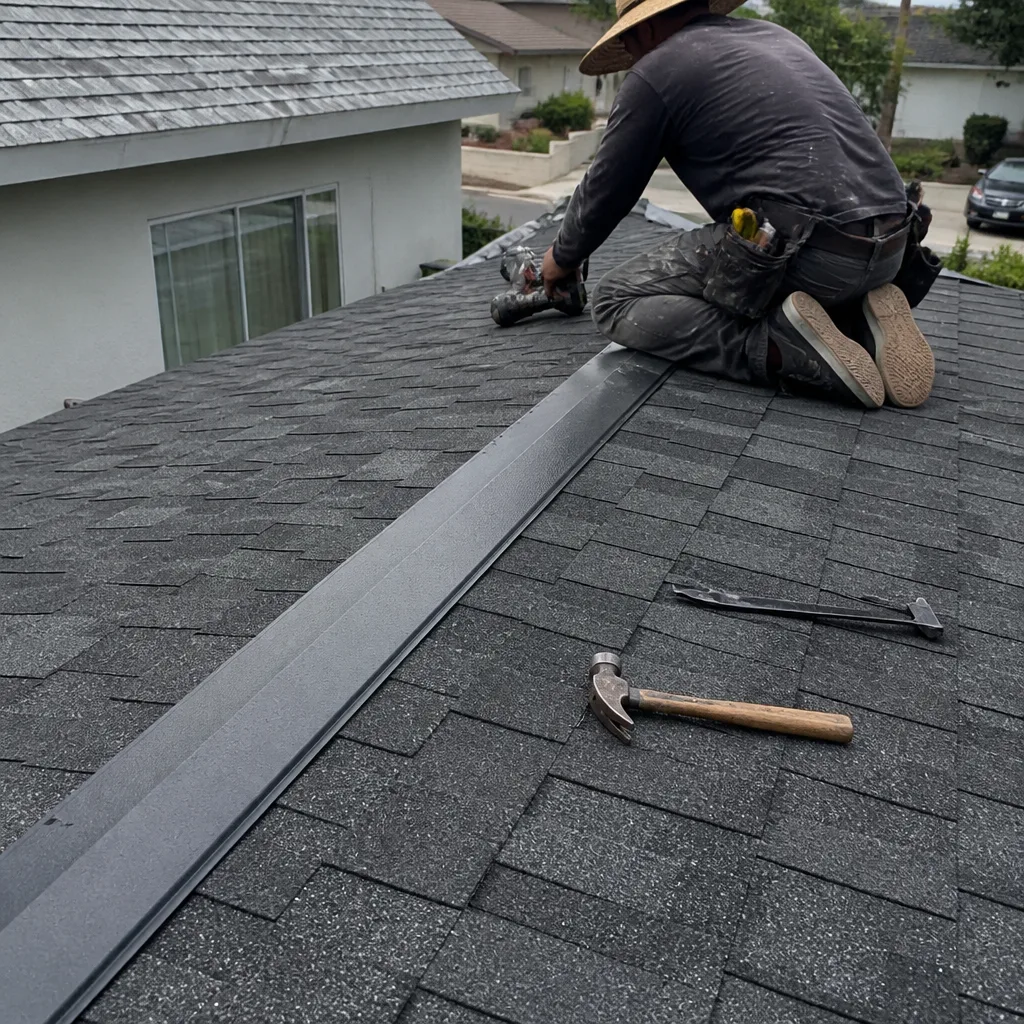
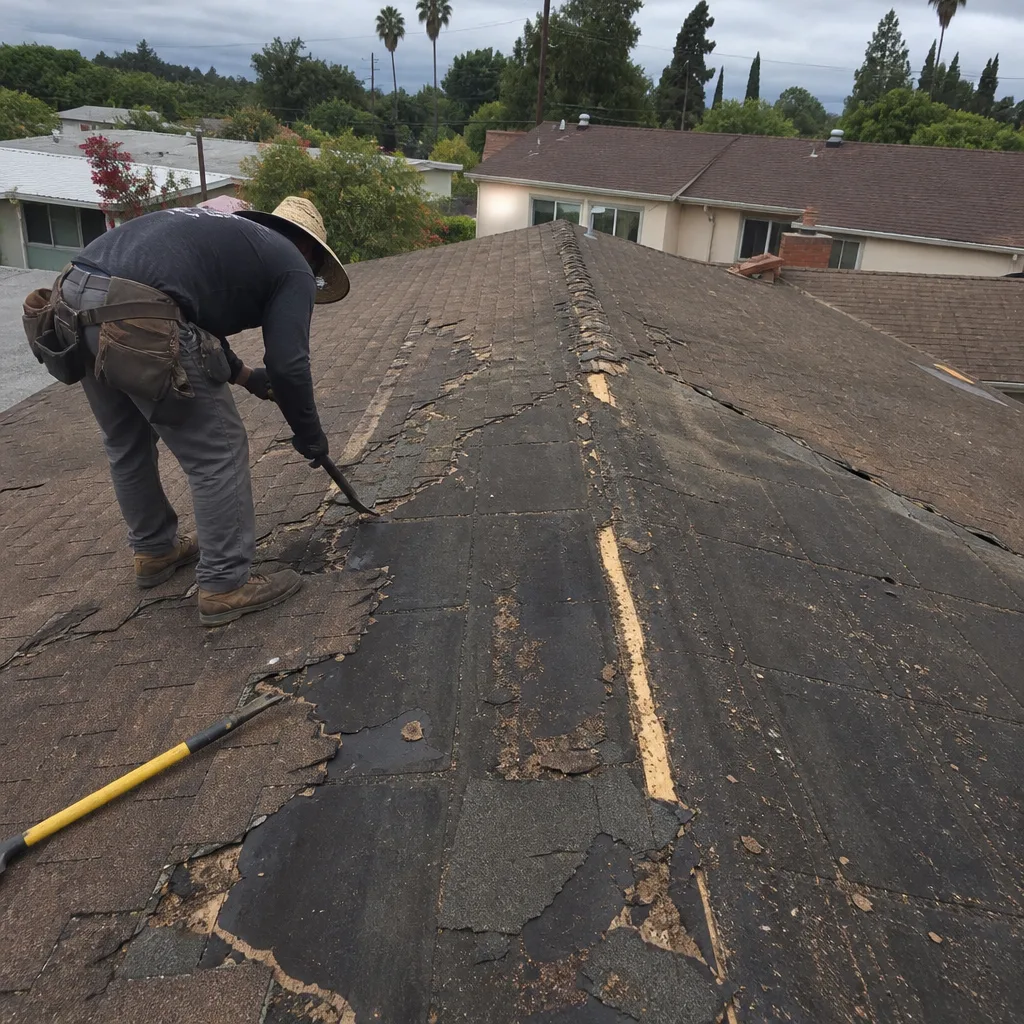
See the difference
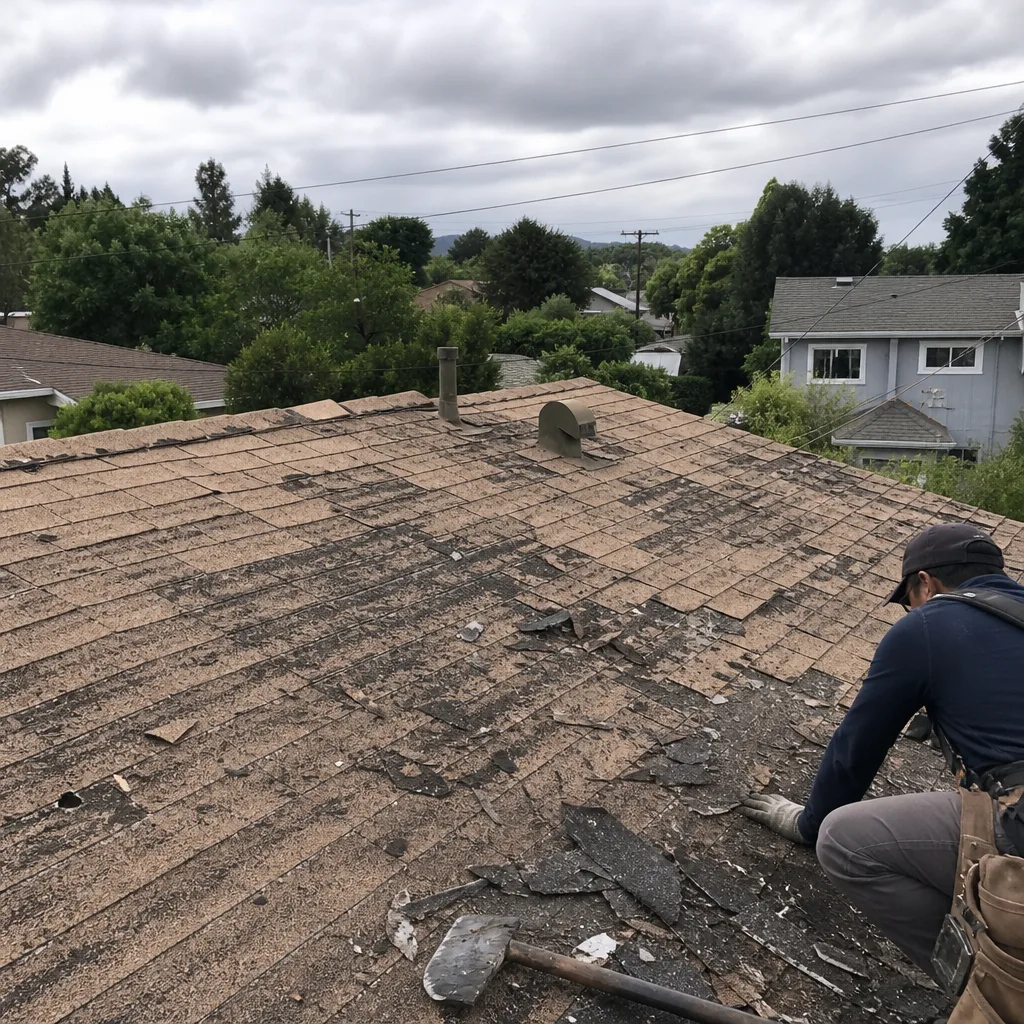 Before
 After
 Before
 After
 Before
 After
When to Call a Professional
If you’ve read this far and you’re still deciding between three different product lines for your Burbank roof, a professional evaluation will resolve it faster than more research. Call us when you notice missing shingles, a leak stain on the ceiling, granules accumulating in gutters, or when your roof is past 20 years old and you want a diagnostic inspection before committing to replacement. If your home sits in Burbank’s VHFHSZ and you’re unsure whether your current roof assembly meets the Class A requirement, that’s a code compliance question we can answer on-site. Marquis Roof Repair offers free estimates in Burbank, call (866) 705-2978.
Frequently Asked Questions
The best brand for Burbank’s inland Valley heat is one that offers a high-SRI product line, which for most homeowners means an asphalt shingle with cool roof technology from Atlas or GAF, or a Boral tile if your structure supports the weight. The specific house matters more than the brand name. Call (866) 705-2978 for an exact recommendation based on your roof’s specs.
Burbank properties located within the Very High Fire Hazard Severity Zone are required to have Class A roofing assemblies, which eliminates most wood shake and some lower-grade composite options. Not every Burbank address falls within the zone, so verify your specific property before eliminating products.
Asphalt shingle replacement in Burbank typically runs $6.50 to $11 per square foot installed, while tile runs $12 to $22 per square foot depending on the product and roof complexity. These are planning ranges, not fixed quotes. Call (866) 705-2978 for a free written estimate on your specific roof.
Tile offers superior fire resistance, thermal performance, and lifespan, but requires structural confirmation on older Burbank decks and runs double to triple the installed cost of asphalt. Asphalt shingle is the right fit for most Burbank homes with standard deck construction and a 20-to-30-year planning horizon.
You can, but you’ll forfeit the enhanced manufacturer warranty, including wind coverage upgrades and extended workmanship protection—a tradeoff explored in DIY vs Professional Roofing: The Burbank Homeowner’s Decision Guide. Premium lines from GAF, Atlas, and Tamko are only warrantied at full value when installed by a certified contractor.
A structural engineer evaluates rafter spacing, member size, and load paths against the tile’s weight, which is 3 to 5 times heavier than asphalt. On Burbank’s older homes, this evaluation frequently determines that the deck needs reinforcement before tile can be installed safely and to code.
The Bottom Line
Burbank homeowners don’t need the most advertised roofing brand. They need the product line that passes the VHFHSZ fire filter, performs thermally in Valley heat, matches the roof deck’s structural capacity, and comes with a warranty whose pro-ration schedule and transferability terms actually hold up. That’s a spec-driven decision, not a brand-loyalty one. The multi-brand lineup at Marquis Roof Repair exists so that recommendation comes from your roof’s requirements, not our inventory. From first inspection to final shingle, we investigate before we recommend, and we build to the Marquis standard.
Written by the team at Marquis Roof Repair, serving Burbank since 2014.