Last updated October 31, 2026
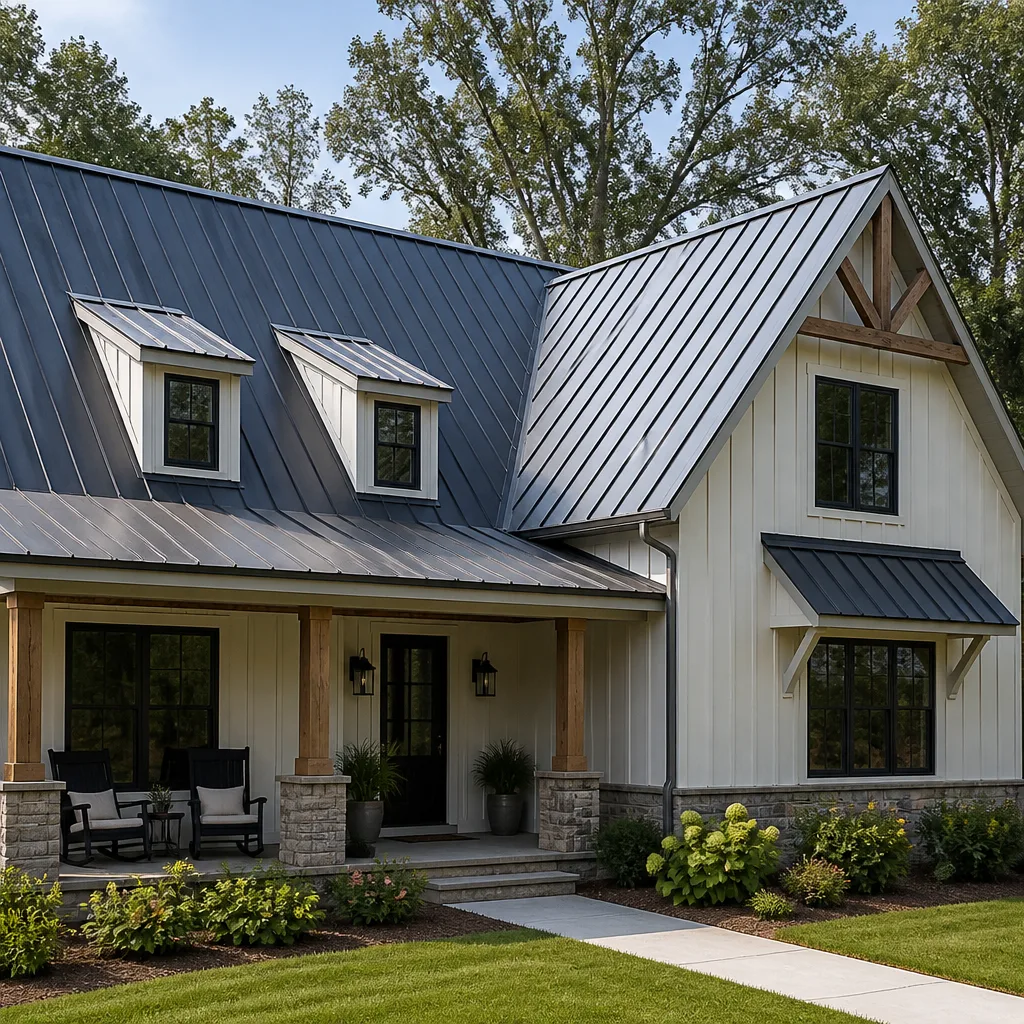 Metal roofing
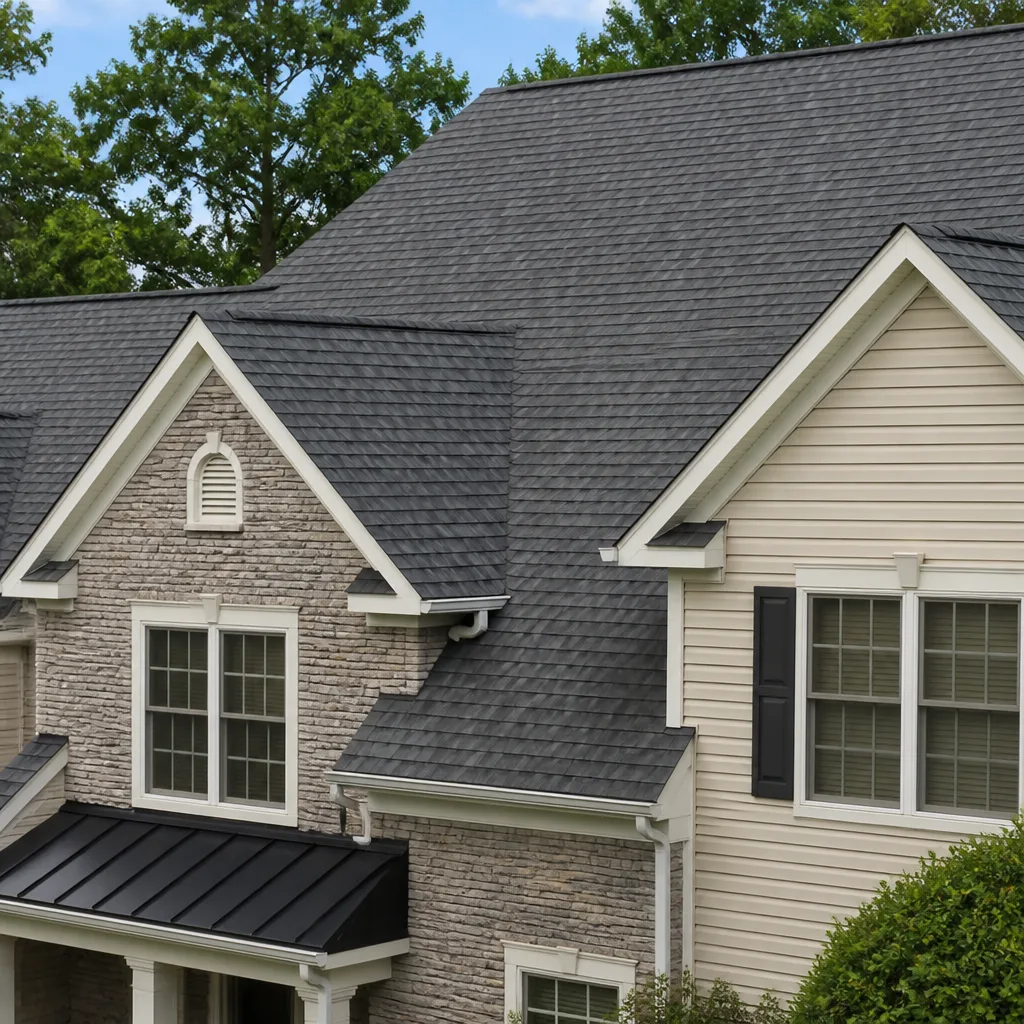 Architectural shingles
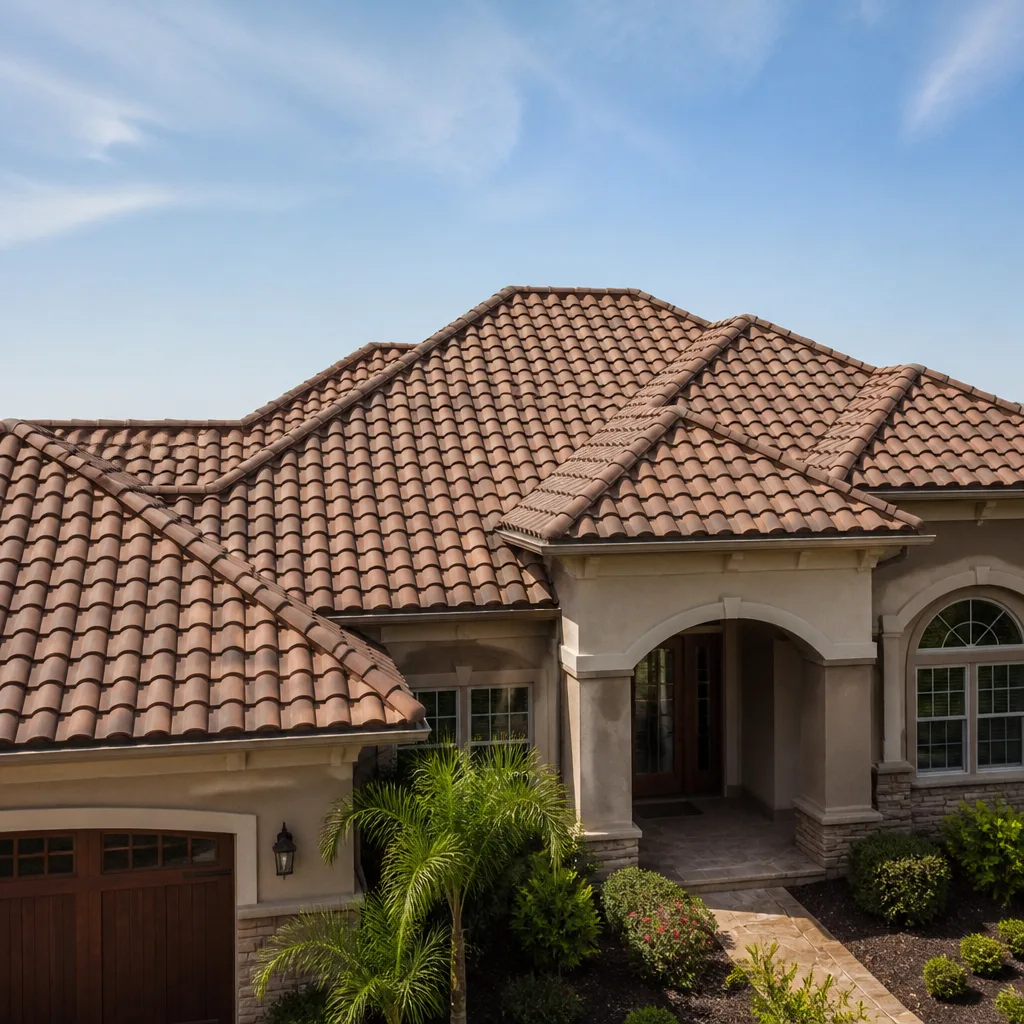 Tile roofing
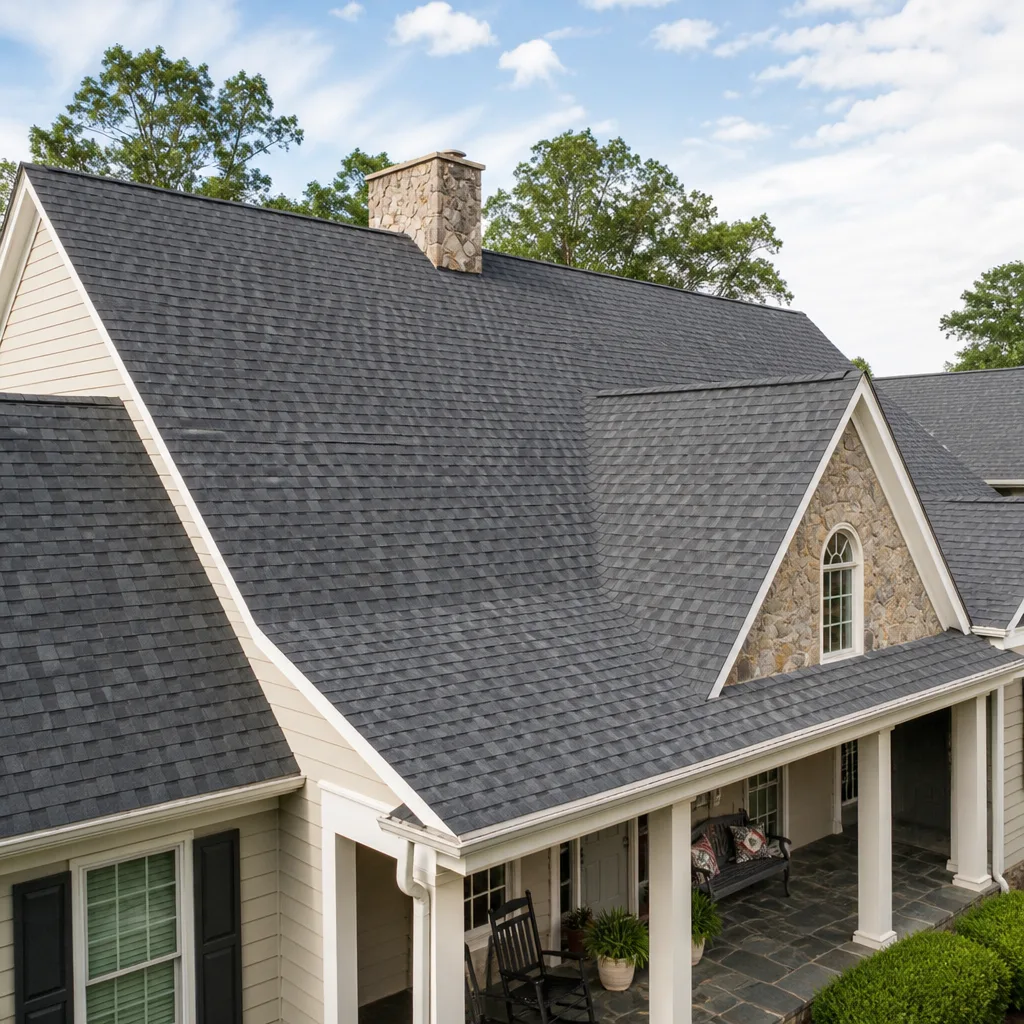 GAF
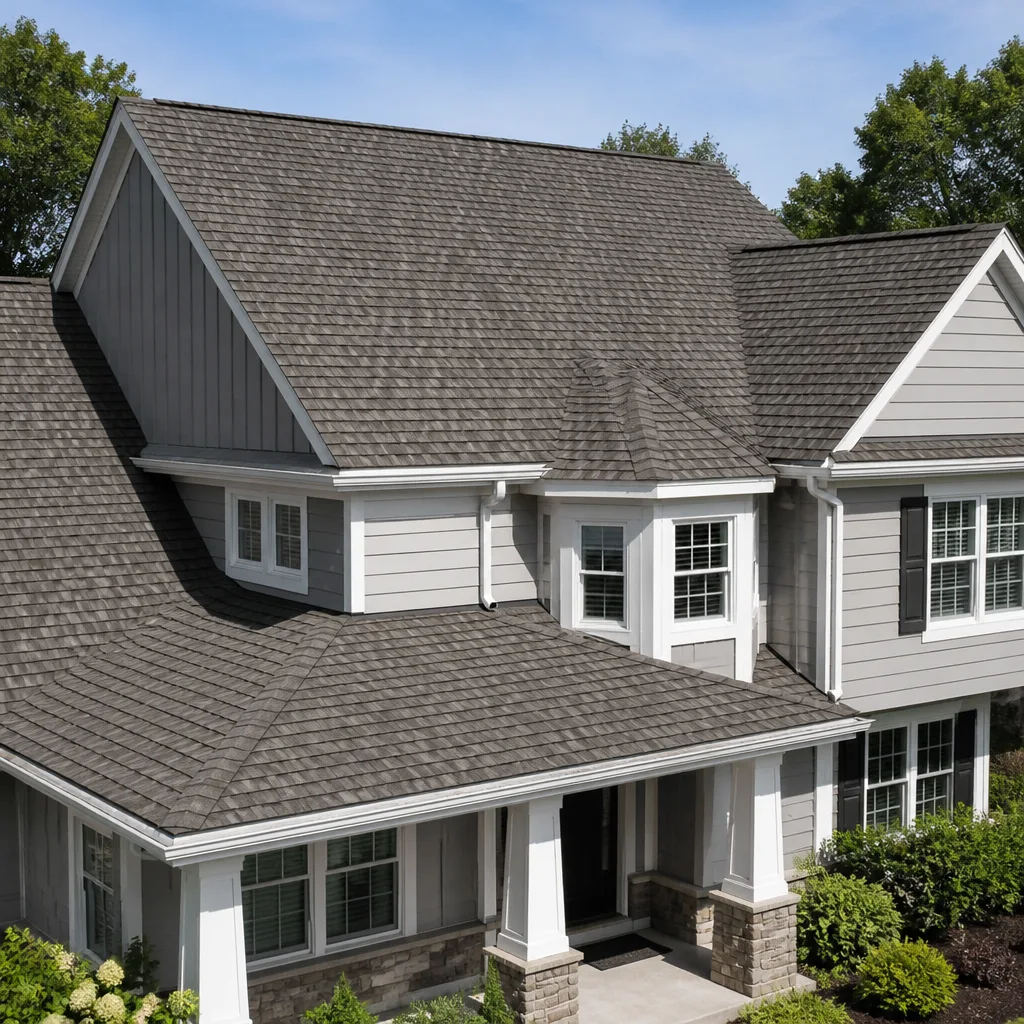 Owens Corning
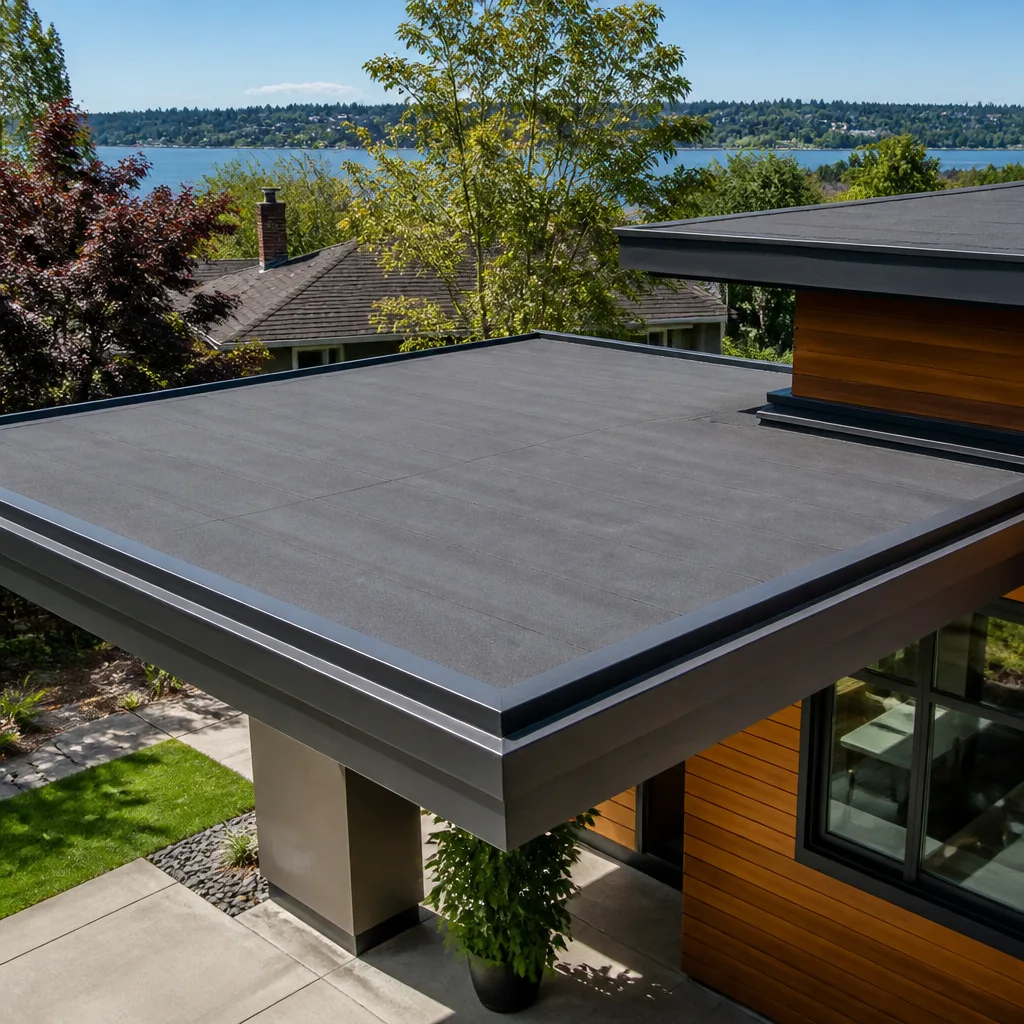 Flat & low-slope
Free roof inspection with deck photos before we talk money - GAF and Owens Corning certified installation
How to Hire a Roofing Contractor in Burbank: A Step-by-Step Guide
A roofing contractor can be fully licensed in California and still be unqualified to work on your Burbank property. The state’s CSLB licensure process verifies that a contractor has met baseline trade requirements, paid the bond, and passed the exam. It does not verify familiarity with Burbank’s specific building code amendments, the fire-zone overlay requirements that affect thousands of homes in the Verdugo foothills, or the structural quirks of the city’s 1930s through 1970s housing stock. This guide will walk you through hiring a roofer who actually understands Burbank, not just California.
By the time you finish reading, you’ll know which questions separate a qualified specialist from a license-holder, how to read a CSLB lookup result without needing a law degree, what red flags appear after every Santa Ana wind event, and why the lowest bid in this city is often the most expensive mistake a homeowner can make. For more guidance, explore our Roof Repair Troubleshooting: Common Problems and How to Fix Them.
Quick Answer
The most reliable way to hire a roofing contractor in Burbank is to first verify the contractor’s CSLB C-39 roofing classification and workers’ compensation certificate, then confirm they pull their own permits through the Burbank Building Division and have specific experience with fire-zone material requirements in neighborhoods like the Verdugo foothills. A good contractor will provide a written proposal with line-item detail before any work begins.
Styles & brands we work with
Table of Contents
- Step 1: Check the CSLB License the Right Way
- Step 2: Ask the Five Questions That Matter Before Price
- Step 3: Understand Burbank’s Permit and Fire-Zone Requirements
- Step 4: Evaluate the Written Proposal Line by Line
- Step 5: Interview the Contractor (Not Just the Salesperson)
- Step 6: Compare Bids on Information Quality, Not Just Price
- Step 7: Review the Contract Before You Sign
Step 1: Check the CSLB License the Right Way
The first thing most Burbank homeowners do is glance at a license number and move on. That’s a mistake. A license number tells you a contractor is legally allowed to operate. It does not tell you whether they’re legally allowed to operate on your roof, or whether they’re properly insured to have workers on your property.
Here is what to actually look for when you run a CSLB license search:
- The classification must be C-39 (Roofing). This is non-negotiable. A General B license allows a contractor to legally perform a wide range of work, but it does not demonstrate roofing-specific expertise. The C-39 classification means the contractor has passed a roofing trade exam and carries the specific bond requirements for roof work. If the classification reads “B – General Building” and nothing else, ask why they’re bidding on a roof.
- The workers’ compensation certificate must be current and active. This matters more than the license number itself. If a contractor has zero employees, they may be exempt from workers’ comp, but any roofer with a crew on your property should carry it. Without current workers’ comp, a worker injured on your roof can potentially file a claim against your homeowner’s insurance. Check the certificate expiration date, not just its existence.
- Check the license issue date against the company’s claimed experience. A company that claims “30 years in Burbank” should not have a license issued in 2022. The license may have been reissued under a new corporate entity while the actual experience belongs to the individuals involved, but that distinction matters for warranty enforcement and legal recourse.
- Look for any active suspensions or consumer complaints. The CSLB publishes disciplinary actions. A contractor with repeated complaint histories may still be licensed, but you want to know that before they walk your roof.
We have walked into too many Burbank homes where the homeowner showed us a license number that belonged to a painting contractor or a license that was suspended three months earlier. Five minutes on the CSLB website prevents a bad hire. It’s the cheapest insurance you will ever buy.
For more on what a proper roof assessment looks like before you hire anyone, see Roof Inspection in Burbank.
Step 2: Ask the Five Questions That Matter Before Price
Most hiring guides tell you to get three quotes and pick the middle one. That advice fails in Burbank because it treats price as the primary filter. The real differentiator is whether the contractor understands this city specifically. Ask these five questions before anyone mentions a dollar figure, and you will quickly separate specialists from generalists. For a deeper dive into local planning, see our Roof Repair Maintenance Checklist for Burbank Homeowners.
- “Do you pull your own permits through the Burbank Building Division?” Any contractor who hesitates, suggests you pull the permit yourself, or implies the job is small enough to skip permitting is not someone you want replacing your roof. Burbank requires permits for roof replacements and most repairs beyond minor patching. A contractor who pulls their own permits signals they understand the local process and are willing to stand behind the work when the inspector arrives.
- “How do you handle Burbank’s fire-zone material requirements?” If you live in the hills above Glenoaks or in the Verdugo foothills, your property may fall within a designated fire hazard severity zone. That changes what underlayment and roofing materials are code-compliant. If the contractor looks confused by this question, end the conversation. A roofer working in Burbank should know the answer without checking a manual.
- “What is your repair-first assessment process?” This question tells you whether you are dealing with a salesperson or a diagnostician. A contractor who can walk the roof, explain what they found, and show you photographic evidence before jumping to replacement is doing the job correctly. A contractor who quotes a full replacement within ten minutes of arriving has not investigated anything.
- “Which roofing manufacturers do you work with, and how do you choose between them?” If the answer is a single brand, that is not inherently wrong, but it limits your options. A contractor with access to multiple manufacturer lines, like GAF, Atlas, and IKO, can recommend a material based on your roof’s exposure, your budget, and your aesthetic preferences rather than whatever brand they happen to carry. Ask why they would choose one over another for your specific roof.
- “Will the person I’m talking to now be on the jobsite, or am I dealing with a sales rep?” In Burbank, many roofing companies employ salespeople who have never installed a shingle. That’s not automatically disqualifying, but you want to know who will actually supervise the work. A company where the estimator is also the project supervisor is a different experience than a company where the handoff happens after you sign.
These five questions accomplish more than any price comparison. They reveal how the contractor thinks about your roof, not just how they think about your budget.
Step 3: Understand Burbank’s Permit and Fire-Zone Requirements
Burbank operates under the Los Angeles County building code, but the city makes its own amendments through the Burbank Building Division. What passes inspection in Glendale or North Hollywood may not pass here. That is not a technicality. It is the difference between a roof that protects your home and a roof that fails a re-roof inspection when you try to sell the property.
Here is what Burbank homeowners need to know before hiring anyone:
- Permits are required for full replacements and most repairs. The city treats roofing as a structural element, not a cosmetic one. If the work involves replacing the roof covering or changing the underlayment, expect a permit. A contractor who tells you otherwise is either misinformed or cutting corners.
- Fire-zone overlay requirements affect material choices. Burbank’s hillside neighborhoods fall within the city’s Wildland-Urban Interface area. Depending on your specific address, the city may require Class A roof coverings, specific underlayment types, and even specific fastening patterns. This is not optional. The inspector will check.
- Tile roofs have specific disposal requirements. Many Burbank homes built between 1940 and 1980 feature concrete or clay tile roofing. Tearing off a tile roof produces significantly more debris weight than an asphalt shingle tear-off, which increases disposal costs. Any proposal that prices a tile roof tear-off at the same rate as a shingle roof is either uninformed or underpricing the job to win the bid.
- Code-required underlayment upgrades are not optional upcharges. Current California building code requires a minimum underlayment standard that many older Burbank roofs do not meet. When a contractor replaces a roof and properly upgrades the underlayment, that is not an upsell. It is the law. A contractor who skips this to lower the price is putting you at risk of future leaks and a failed inspection.
If you are unsure whether your property falls within a fire zone, the Burbank Building Division can confirm it. A qualified roofing contractor should also be able to look up your address and tell you within minutes. At Marquis Roof Repair, we check fire-zone status on every estimate we prepare for Burbank homeowners, because our name leads with repair, and a repair done to the wrong standard is not a repair at all. We investigate before we recommend, and that includes the paperwork.
For a deeper look at what a Burbank-specific roof replacement involves, see Roof Replacement in Burbank.
Step 4: Evaluate the Written Proposal Line by Line
A written proposal is a map of how the contractor thinks. Vague language signals a contractor who plans to resolve ambiguities in their favor after the work starts. Specific line items signal someone who has done this enough times to know exactly what the job will require. Here is what a thorough Burbank roofing proposal should include:
- Scope of work, described in plain language. “Install new roof” is a red flag. “Remove existing asphalt shingle roof to decking, inspect decking condition, replace any deteriorated decking up to two sheets, install new synthetic underlayment per code, install new GAF Timberline HDZ shingles, reflash all penetrations, install new drip edge, haul away all debris” is what a professional proposal looks like.
- Materials specified by brand and product line. “30-year shingle” tells you nothing. “GAF Timberline HDZ in Charcoal” tells you exactly what you’re paying for. The same goes for underlayment, flashing, and fasteners. If the proposal does not name the specific products, the contractor can substitute cheaper materials after you sign.
- Permit fees itemized separately. Burbank permit fees are not included in the labor and materials price by default. A thorough proposal lists the permit fee as its own line item. If it is missing, ask whether the contractor intends to pull a permit at all.
- Disposal and debris removal specified. As noted above, tile roofs produce heavier debris than shingle roofs. A proposal that does not mention disposal costs is incomplete, and you will likely see a change order for it later.
- Payment schedule tied to milestones. A detailed proposal breaks payments into phases: deposit, material delivery, tear-off completion, final inspection. Avoid any contractor who wants full payment upfront or a deposit larger than 10 percent for a typical residential job.
- Warranty terms clearly separated. There are two warranties involved: the manufacturer’s material warranty and the contractor’s workmanship warranty. A good proposal lists both, with the duration of each stated in writing. Manufacturer warranties vary by product line, which is one reason we recommend working with a contractor who carries multiple brands. Options like Atlas, Tamko, and IKO each carry different warranty structures, and the right material for your roof should drive that decision, not the brand a contractor happens to stock.
A thorough proposal will be several pages long. That is not overkill. That is evidence the contractor has thought through your specific roof instead of copying a template.
Step 5: Interview the Contractor (Not Just the Salesperson)
By the time you have a proposal in hand, you have likely spent an hour or more with whoever came to your door. That person may be the contractor, or they may be a sales representative whose job ends the moment you sign. Knowing which one you are dealing with changes everything about how you evaluate their answers.
Here is how to run a working interview with the person who would actually be responsible for your roof:
- Ask them to explain their diagnosis in their own words. A salesperson will point to the proposal and recite the line items. A contractor will explain what they saw on the roof, where the water is getting in, what condition the decking is in, and why they are recommending the scope they recommended. If they cannot explain the why in plain language, they did not actually assess your roof.
- Ask what surprises they expect on a house of your age. Burbank’s housing stock spans nearly a century. A 1930s bungalow in the Magnolia Park area and a 1960s ranch in the Rancho District present different roofing challenges. A contractor who has worked in Burbank will mention specific issues: older homes often have original decking that has never been exposed, venting may be outdated, and flashing around original chimneys is frequently compromised.
- Ask who will be on the jobsite day to day. You want to know if the person you are talking to will be present, or if the work will be run by a crew lead they are sub-contracting. Subcontracting is common in roofing, but you should know who is on your roof and whether that crew is covered by the contractor’s workers’ comp or their own.
- Ask for local references from the last six months. Not jobs from three years ago. Recent jobs. Ask for addresses in Burbank specifically, so you can drive by and see the quality of the finished work. A contractor who cannot provide recent local references has either not worked locally recently or is hiding something.
We tell homeowners this during every estimate: the proposal is a promise on paper. The interview is where you find out whether the person behind the promise knows what they promised. Our approach at Marquis Roof Repair is to have the same person who inspects your roof walk you through the proposal, answer your questions, and supervise the work. From first inspection to final shingle, one point of contact.
Step 6: Compare Bids on Information Quality, Not Just Price
When you have two or three proposals in front of you, resist the urge to sort them by total cost. That is exactly what the algorithm of bad hiring advice tells you to do, and it is exactly how Burbank homeowners end up paying for the same roof twice.
Here is how to actually compare bids:
- Compare scope, not price. Put the proposals side by side and look for whether they are even describing the same job. Does one include new underlayment while another leaves it out? Does one itemize disposal and the other not mention it? Does one specify flashing replacement while another is silent? The difference is not a “better deal.” The difference is one contractor is pricing the complete job and the other is pricing half of it.
- Look for the missing line items. A bid that comes in 20 percent lower than the others is usually missing something: permit fees, disposal, underlayment upgrade, decking repair, or all of the above. The contractor is either planning to hit you with change orders after the tear-off, or they are planning to skip code-required work entirely. Neither is acceptable.
- Check whether the materials specified are comparable. An Atlas shingle and a GAF shingle are both legitimate brands, but they are not interchangeable in every situation. A bid that specifies a product you’ve never heard of, listed generically, is not the same as a bid that names a product line from a manufacturer with a documented track record. Ask the contractor why they specified what they specified.
- Consider the long-term relationship. The cheapest bidder will not necessarily be around in five years when you need warranty service. The contractor with the more detailed proposal, the longer local history, and the transparent interview tends to be the one who answers the phone when you call about a leak at year three.
In our experience, the differences between bids in Burbank come down to information quality. A contractor who provides a detailed, specific proposal is telling you something about how they run their business. A contractor who hands you a one-page number is telling you something too.
If you are weighing repair versus replacement, see Roof Repair in Burbank for a detailed comparison of when each makes sense.
Step 7: Review the Contract Before You Sign
The contract is the last line of defense before work begins. This is not the proposal. This is the legally binding document you actually sign. Read it. All of it. If a contractor rushes you through the contract or dismisses questions with “that’s standard,” slow down.
What to check before signing:
- The contract and the proposal should match. Every material, every line item, every warranty term from the proposal should appear in the contract. If something is missing or changed, ask for a revised contract before signing.
- The payment schedule should be explicitly stated. Deposit amount, milestone payments, and final payment due upon completion and inspection approval should all be in writing. California law requires that a deposit not exceed 10 percent of the total project cost or $1,000, whichever is less, for home improvement contracts.
- The warranty language should be specific. “Warranty included” is not a warranty term. The contract should state the duration of the workmanship warranty, what it covers, and what it excludes. Manufacturer warranty information should be included as a separate document you receive at completion.
- The contractor’s CSLB license number should be on the contract. It is required by law. If it is missing, that is a serious red flag.
- The right to cancel should be explained. Under California home improvement contract law, you have a three-day right to cancel for most residential roofing contracts. The contract should include this notice.
If any of this feels like too much, remember that you are signing a document that governs a project costing thousands of dollars and protecting the single most valuable asset you own. The hour you spend reviewing a contract is the best hourly rate you will ever earn.
Common Mistakes to Avoid
- Hiring the storm chaser. After every Santa Ana wind event, out-of-area crews flood Burbank neighborhoods offering “free inspections” and same-week installation. Many of these crews are legitimate, but many are not. A contractor who knocks on your door after a windstorm is there for one reason, and it is not your long-term roof health. Check their local history before signing anything.
- Assuming a CSLB license means Burbank-specific knowledge. The CSLB verifies statewide competency. It does not verify familiarity with Burbank’s fire-zone requirements, permit process, or housing stock. A contractor can hold a valid C-39 and still have never worked in this city.
- Selecting the lowest bid without comparing scope. The lowest bid in Burbank is often priced without accounting for permit fees, tile-roof disposal costs, or code-required underlayment upgrades. You will pay for those items one way or another.
- Skipping the written proposal stage entirely. A verbal quote is not a proposal. Without specific line items in writing, you have no recourse when the scope changes mid-project.
- Not verifying workers’ compensation coverage. This is the one detail that can cost you more than any roofing mistake. A worker injured on your property without workers’ comp coverage creates a potential claim against your homeowner’s insurance.
- Letting brand loyalty override roof-specific assessment. A contractor who pushes one manufacturer regardless of your roof type, exposure, or budget is selling stock, not solutions. The right material for your roof should drive the recommendation, not the contractor’s inventory.
- Paying the full amount upfront. A contractor who demands full payment before work begins is either in financial trouble or planning to disappear. Either way, you do not want them on your roof.
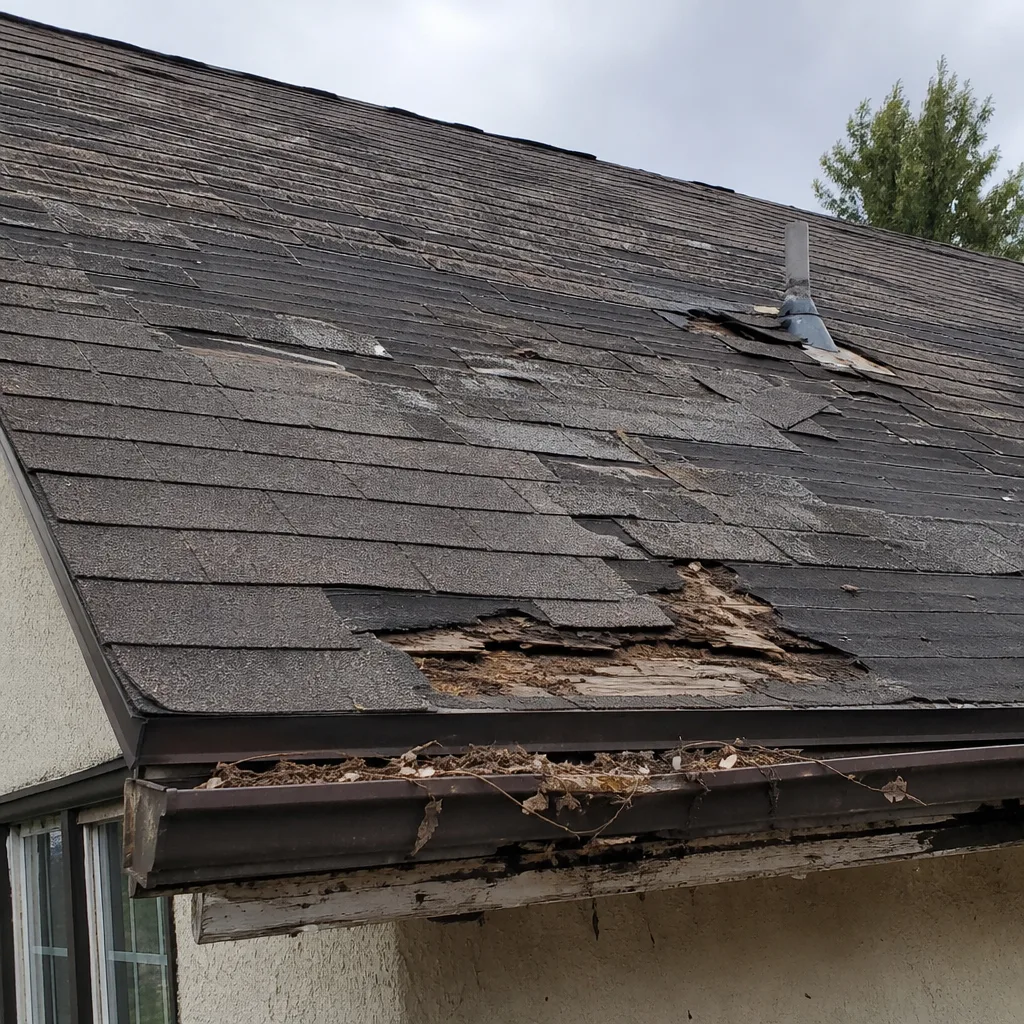
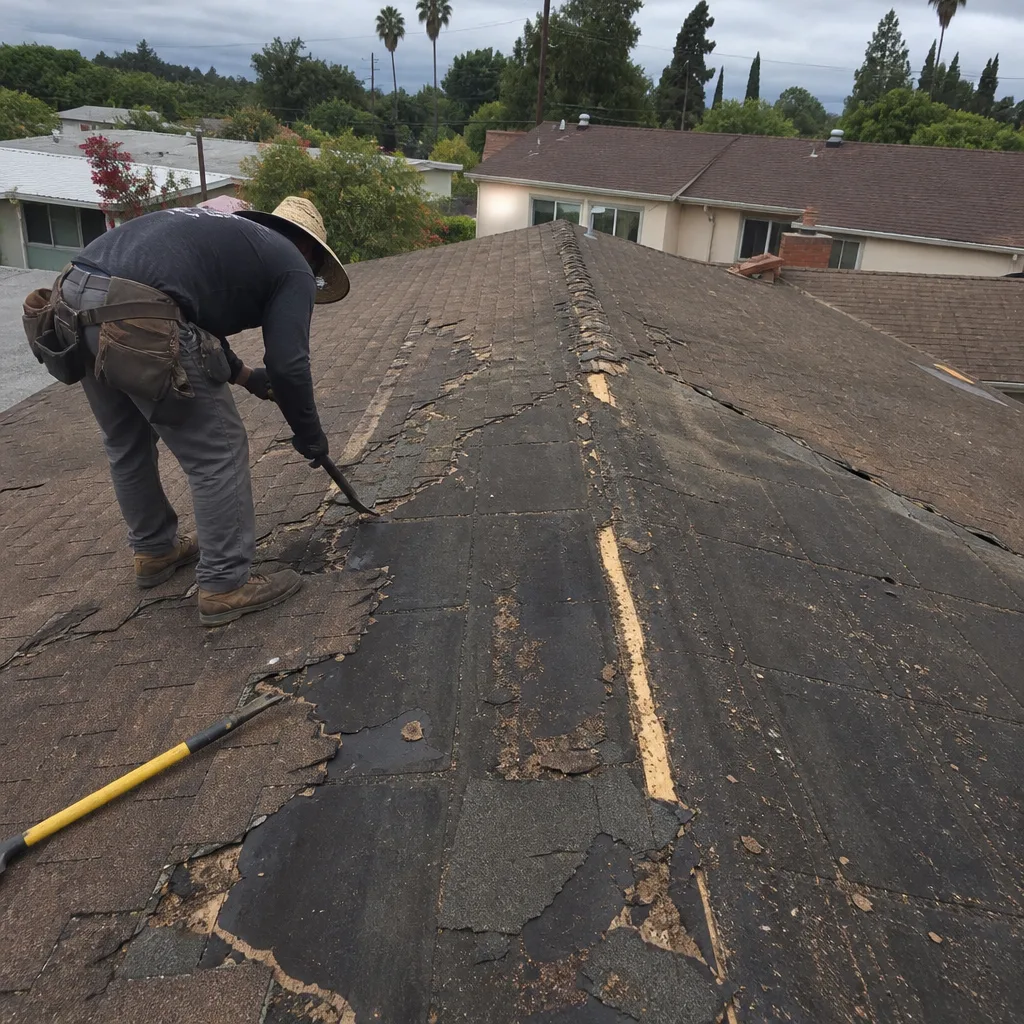
See the difference
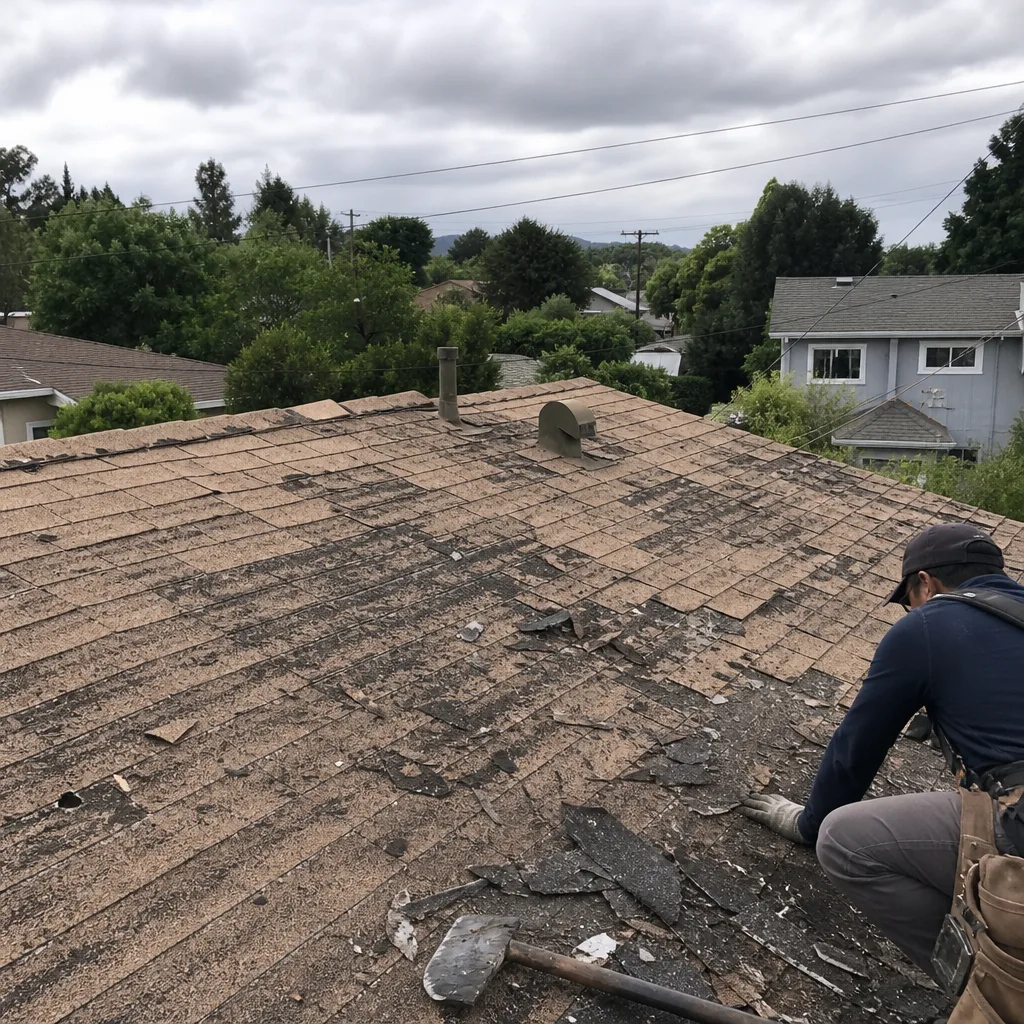 Before
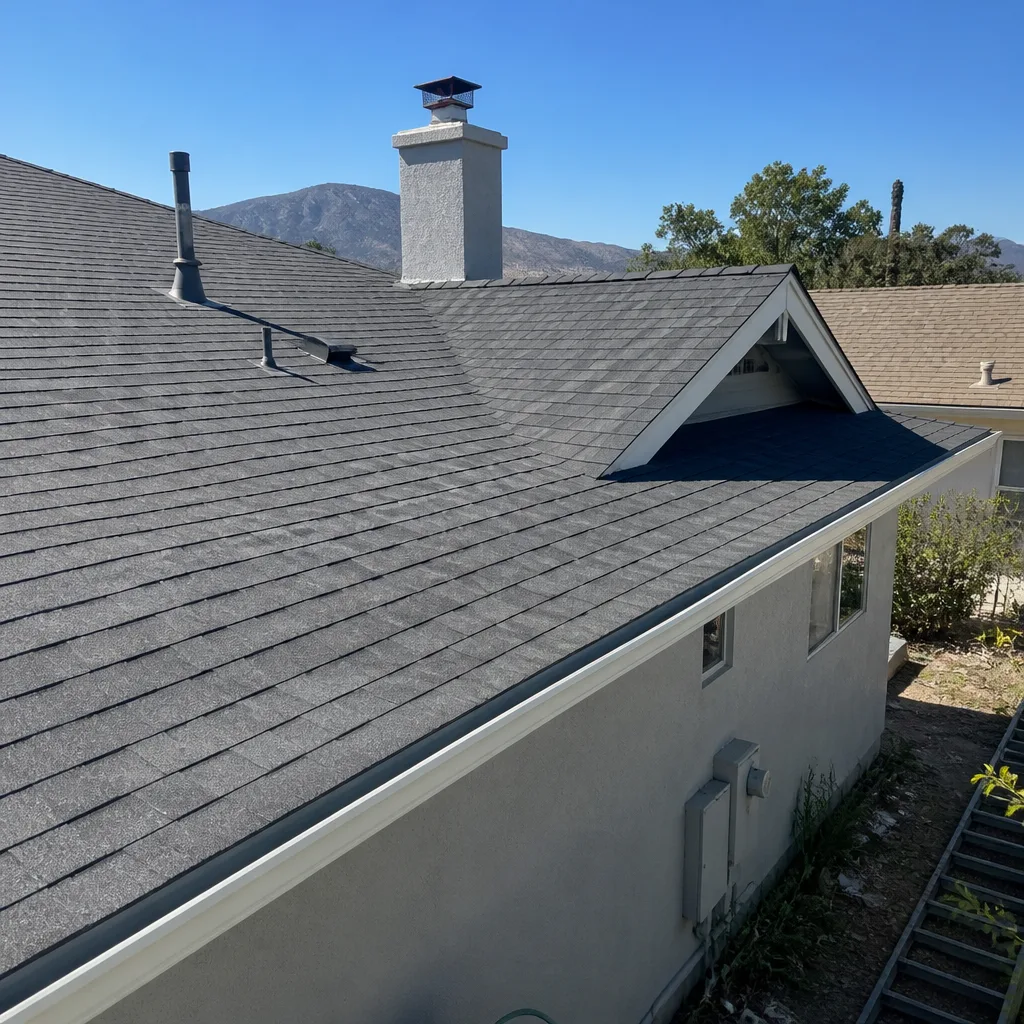 After
 Before
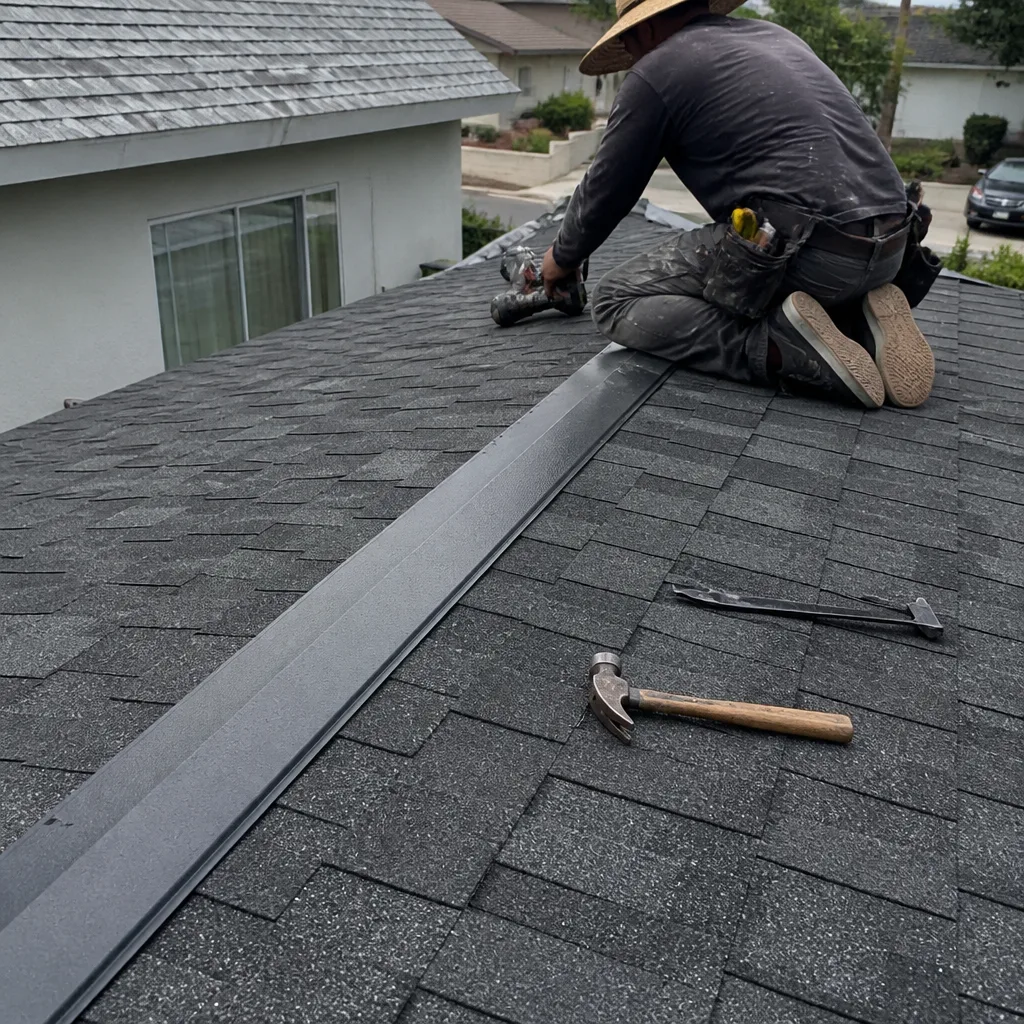 After
 Before
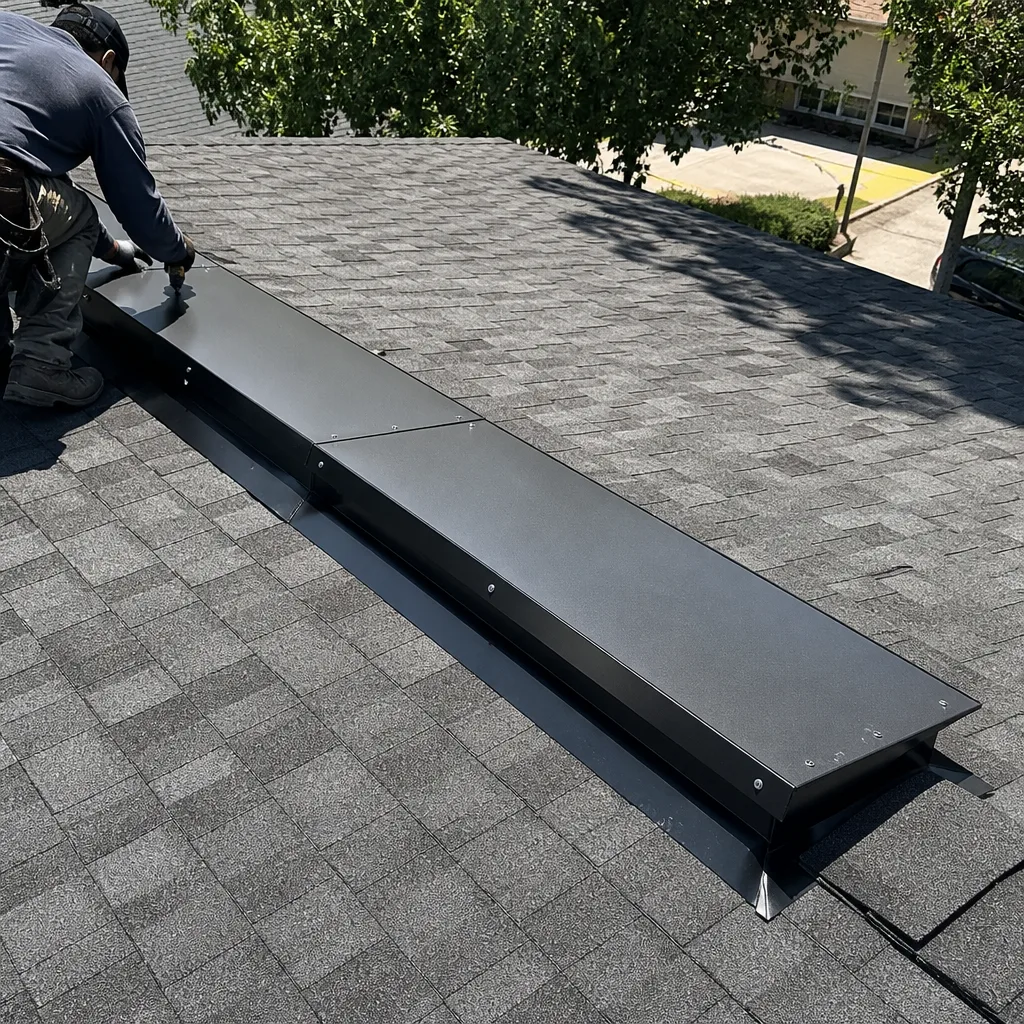 After
When to Call a Professional
Some roofing issues are obvious: water stains on the ceiling, missing shingles after a windstorm, granules accumulating in the gutters. Others are not obvious until they become expensive problems. If your roof is more than fifteen years old and has never been professionally inspected, call a professional. If you see sunlight through the attic boards, call a professional. If the previous owner’s roof patch is starting to fail and you can see the water line creeping, call a professional. If your insurance company has asked for a roof certification or condition report, call a professional. None of these situations improve with time, and all of them are cheaper to address before they become structural issues. Marquis Roof Repair offers free estimates in Burbank – call (866) 705-2978 or visit Marquis Roof Repair home to schedule yours.
Frequently Asked Questions
A full roof replacement in Burbank typically ranges from $12,000 to $35,000 depending on the roof size, material choice, structural condition, and whether the property falls within a fire-zone overlay requiring code upgrades. Asphalt shingle replacements start on the lower end of that range, while tile or metal roofs run higher. For detailed pricing factors, see our Roofing Cost Breakdown: The Burbank Homeowner’s Reference for 2026. Call (866) 705-2978 for an exact quote – estimates are free.
Yes, the Burbank Building Division requires a permit for roof replacements and most repairs beyond minor patching. A qualified contractor should pull the permit themselves and handle the inspection process as part of the job.
The C-39 classification is the California roofing contractor license that verifies a contractor has passed the roofing trade exam and carries the bond requirements specific to roof work. A General B license allows construction work but does not demonstrate roofing-specific expertise.
You can verify your property’s fire-zone status through the Burbank Building Division or by asking a qualified roofing contractor to check it during the estimate process. Homes in the Verdugo foothills and hillside areas above Glenoaks are more likely to fall within designated fire hazard severity zones.
A typical asphalt shingle roof replacement takes two to five working days, assuming no significant structural surprises are found after tear-off. Tile roof replacements take longer, usually five to ten working days. Permit scheduling and inspection timing vary by city workload. Call (866) 705-2978 for a timeline specific to your roof.
A thorough written proposal should minimize change orders, but some adjustments are legitimate when hidden damage is discovered after tear-off, such as rotted decking or code-required structural repairs the contractor could not see before opening the roof. A good contractor will document any change order in writing with photographs and a specific price before proceeding. A contractor who has written a detailed proposal will have few surprises, while a vague proposal almost guarantees them.
The Bottom Line
Hiring a roofing contractor in Burbank is less about collecting bids and more about evaluating information quality. The right contractor will hold a current C-39 license, pull their own permits, understand fire-zone requirements, provide a written proposal with specific materials and line items, and interview like someone who actually inspected your roof. The wrong contractor will rush you toward a signature and a price that will not survive the first week of the job. Ask the five questions, read the license lookup carefully, and never let the lowest number be the deciding factor. Your roof is too important to be a discount purchase.
Written by the team at Marquis Roof Repair, serving Burbank since 2014. Browse more guides & resources on our blog.