Last updated October 31, 2026
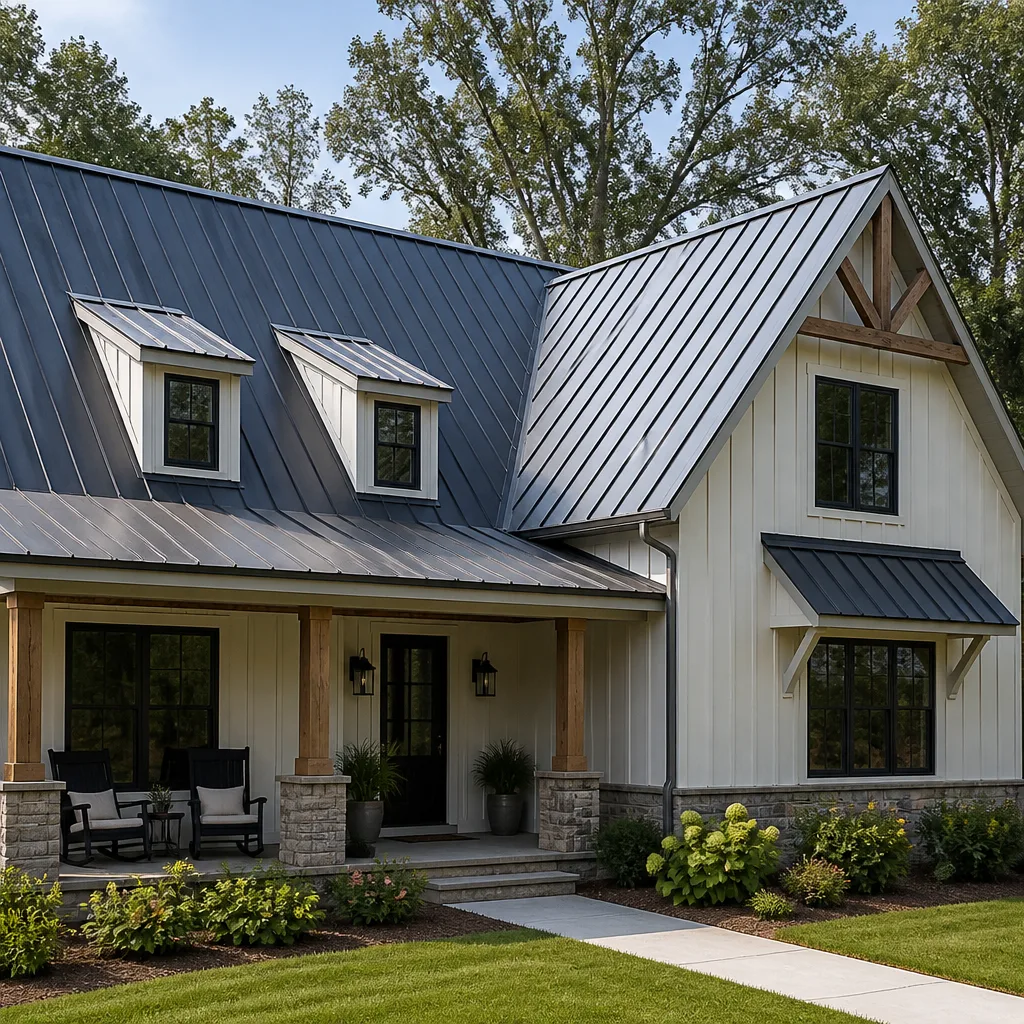 Metal roofing
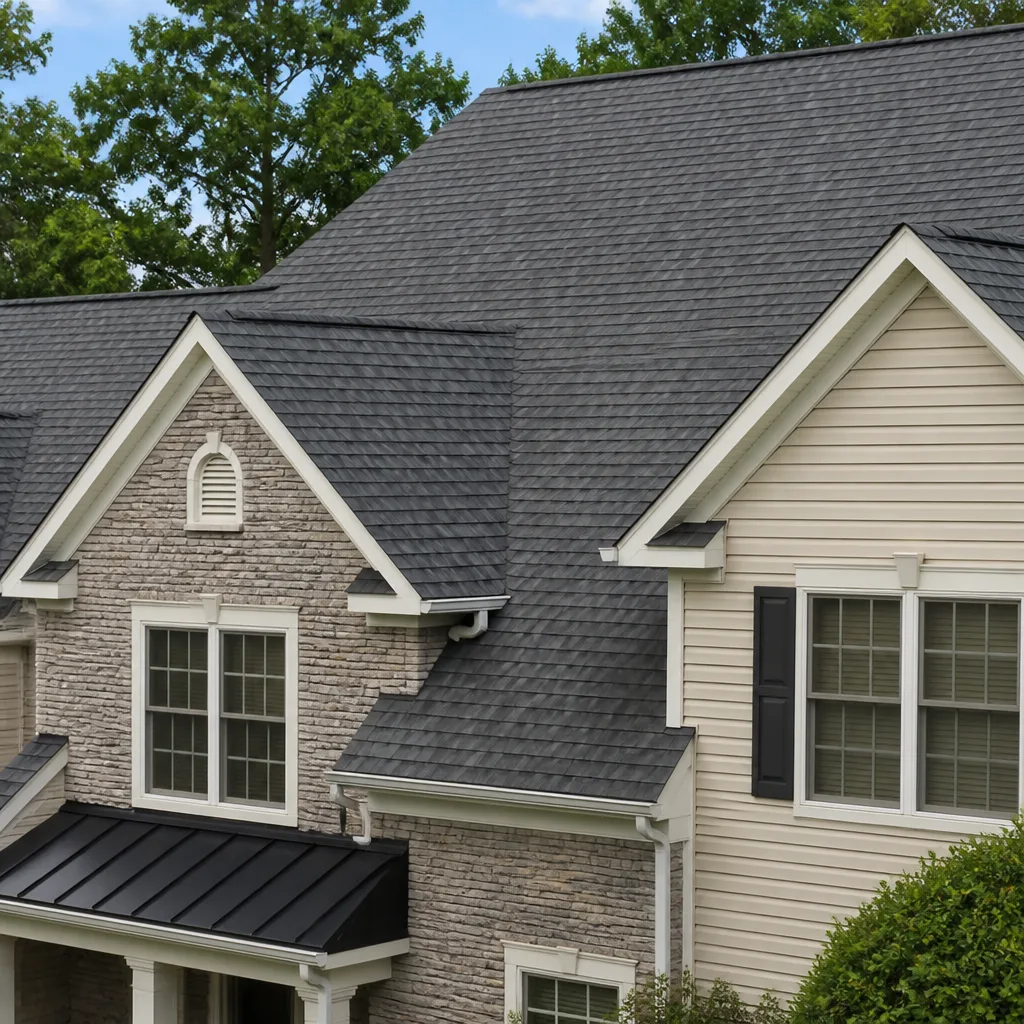 Architectural shingles
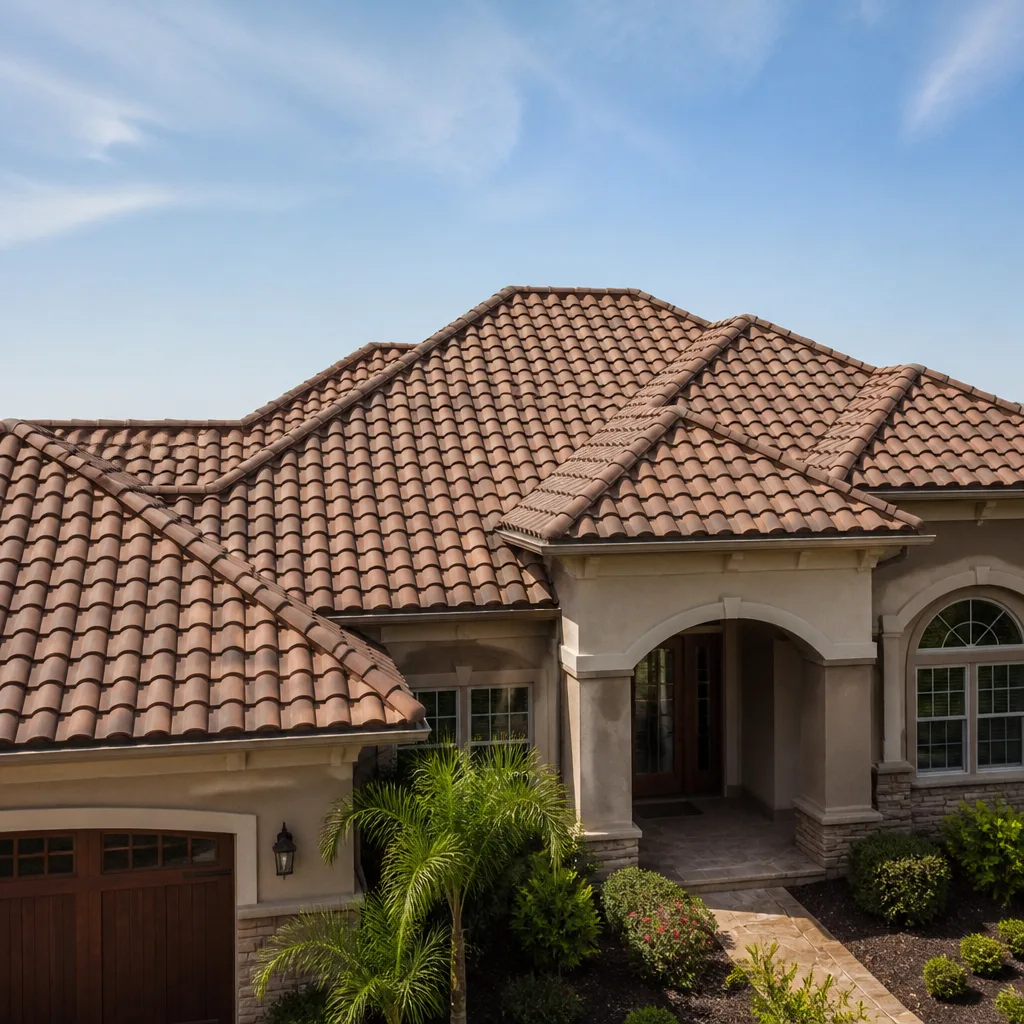 Tile roofing
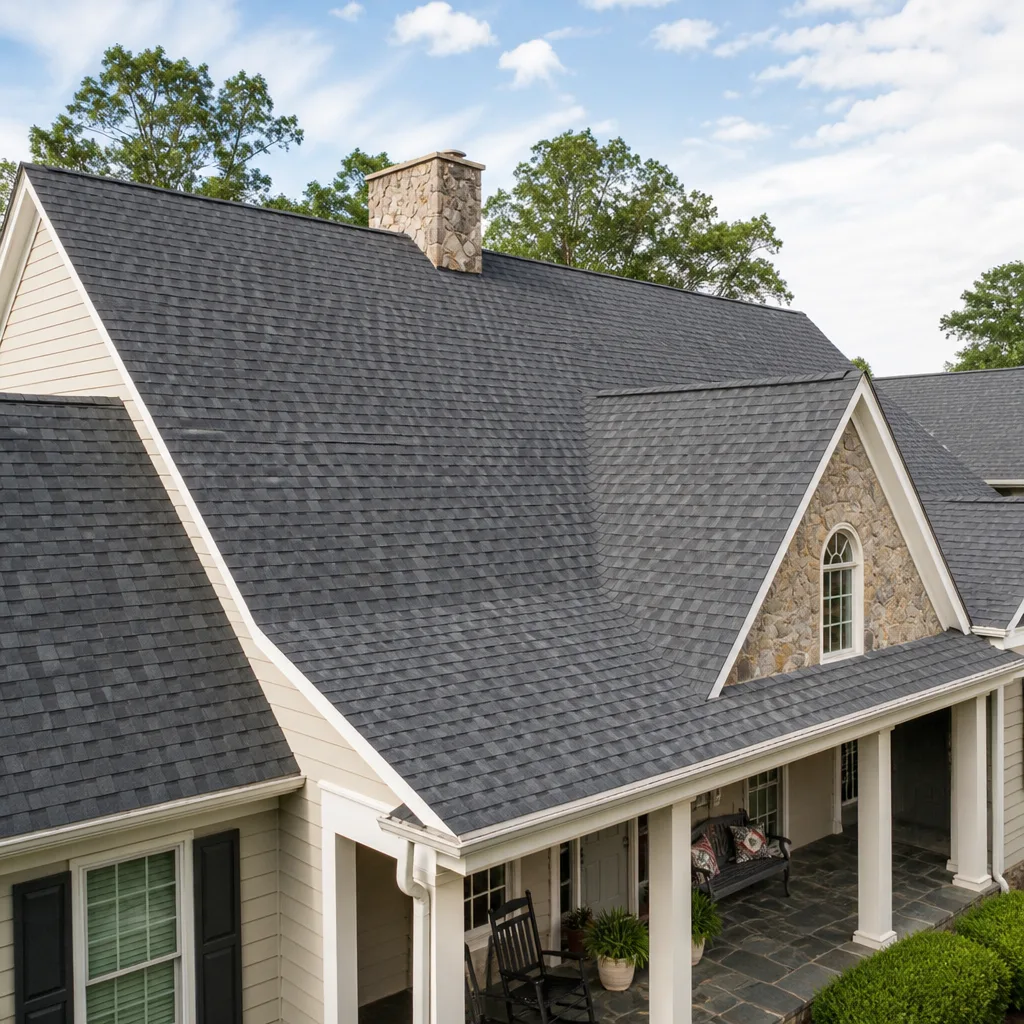 GAF
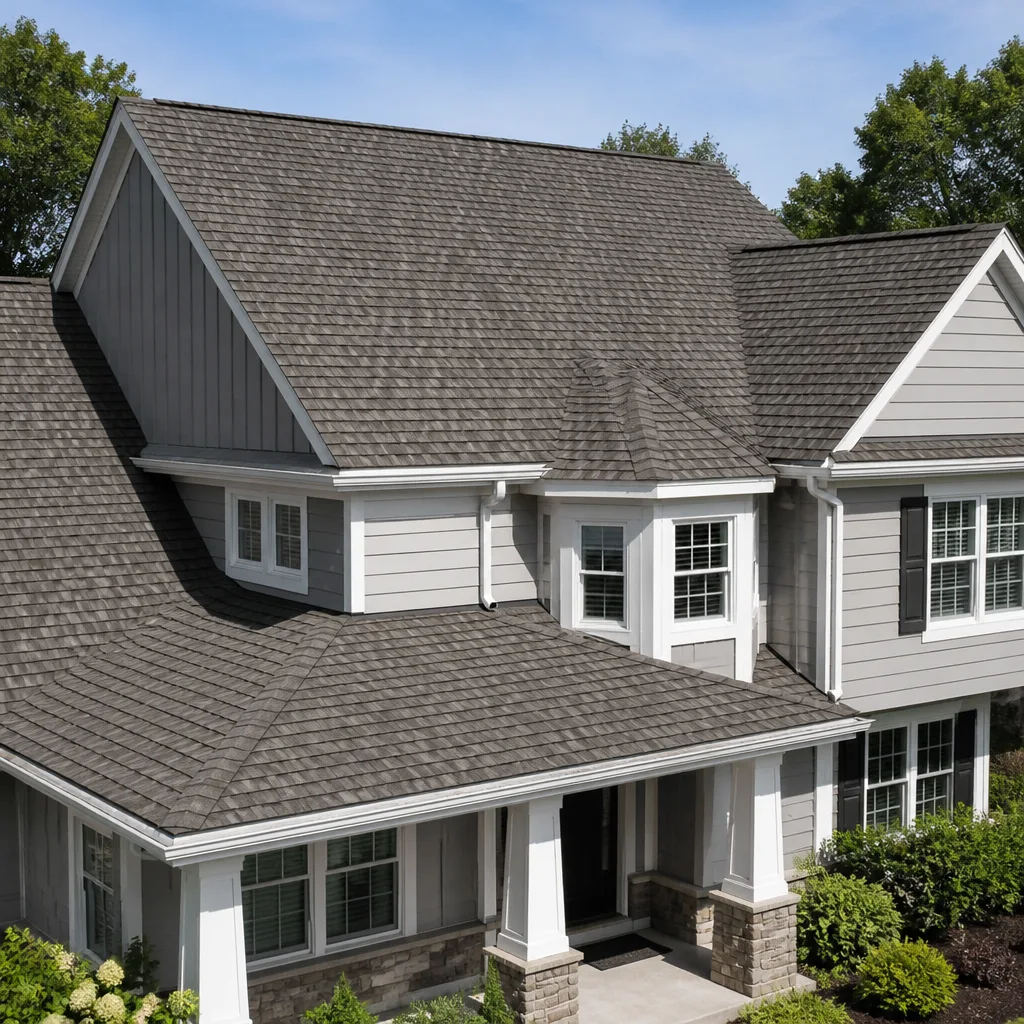 Owens Corning
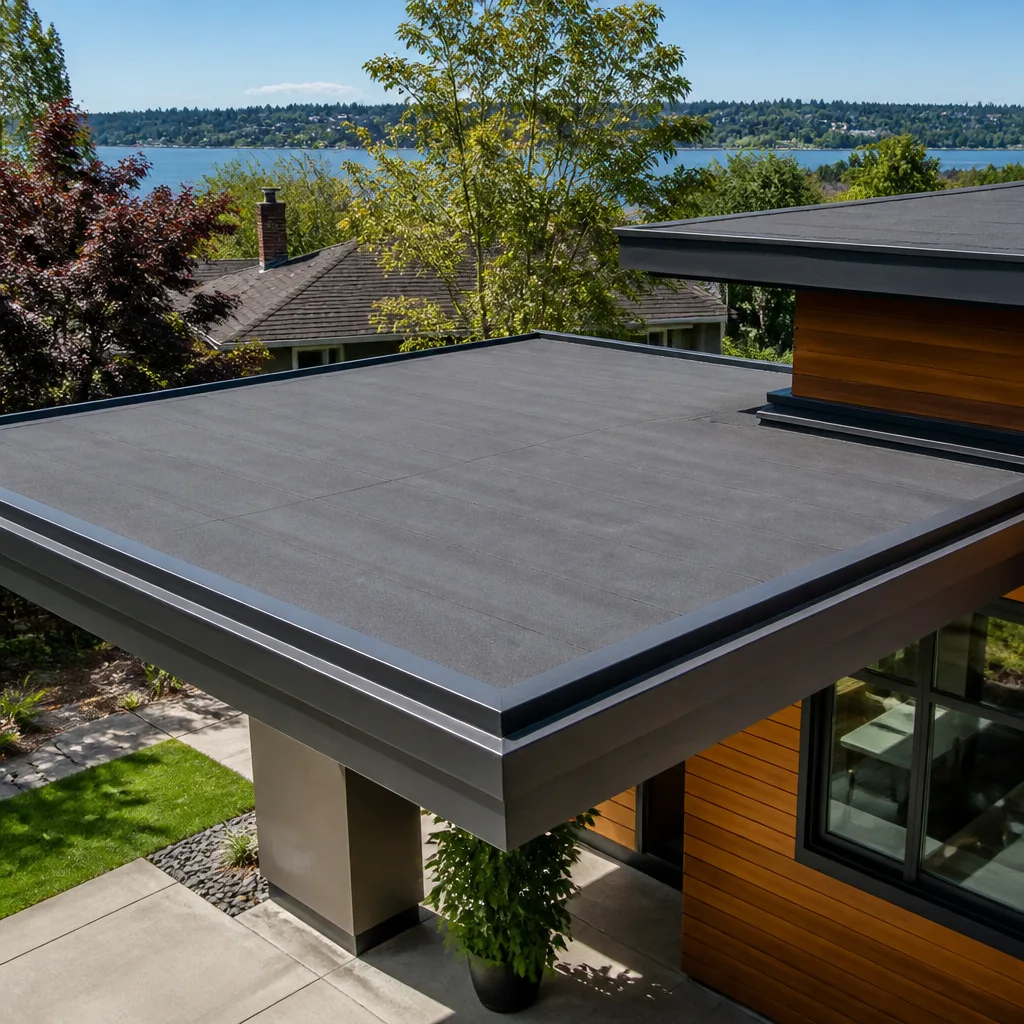 Flat & low-slope
Free roof inspection with deck photos before we talk money - GAF and Owens Corning certified installation
The Complete Guide to Roofing in Burbank
Burbank sits inside a Very High Fire Hazard Severity Zone, which means the roofing decisions a homeowner makes aren’t just aesthetic – they can determine whether a structure qualifies for insurance coverage at renewal. That single fact changes how every conversation about roofing in Burbank should start. This guide covers what actually matters when you own a roof in this city: the material restrictions hidden in hillside zoning maps, the four roof types that dominate Burbank’s housing stock, what the valley heat does to asphalt shingles over time, how the city’s permit workflow differs from surrounding areas, and the honest math on when repair makes sense versus when it’s quietly subsidizing a roof that’s already past its useful life. Our team at Marquis Roof Repair works on roofs across Burbank every week, and we’ve written this to give homeowners the information we share in person—plus links to more guides & resources—in one place.
Quick Answer
Roofing in Burbank means choosing materials that meet the city’s Class A fire-rating requirements, matching the material to your specific roof type (which in Burbank is most often Spanish tile, composition shingle, flat or low-slope, or concrete tile), and planning for a replacement cycle that runs roughly 15 to 30 years depending on material and exposure. Permit work goes through the City of Burbank Building Division, not LA County, and hillside parcels carry additional wildfire-hardening rules that affect what you can install. The smartest first step is a professional inspection that separates genuine problems from normal wear – before anyone gives you a replacement quote.
Styles & brands we work with
Table of Contents
- How Burbank’s Fire Zone Maps Shape Your Roofing Choices
- The Four Roof Types That Dominate Burbank Housing
- What San Fernando Valley Heat Does to Your Roof
- Burbank’s Permit Process: What Actually Requires a Permit
- Repair vs. Replacement: The Full-Lifecycle Cost Math
- Material Brands and What They Mean for Your Warranty
- A Practical Maintenance Schedule for Burbank Roofs
- Common Mistakes to Avoid
- When to Call a Professional
- Frequently Asked Questions
How Burbank’s Fire Zone Maps Shape Your Roofing Choices
Burbank’s hillside neighborhoods – the Verdugo foothills, areas near Stough Canyon, Wildwood Canyon, and the streets climbing up from Glenoaks – fall inside California’s Very High Fire Hazard Severity Zone, or VHFHSZ. What that means for a roof is specific and enforceable. The California Building Code Chapter 7A requires that any roof covering installed on a new structure, or when more than 50 percent of the existing roof is replaced, meet Class A fire-rating standards in these zones.
Class A is the top rating in the ASTM E108 or UL 790 fire test. Materials that pass it include metal, concrete tile, clay tile, and fiberglass-asphalt composition shingles that carry a Class A rating. Untreated wood shakes and shingles don’t meet the standard, which is why you rarely see them specified on Burbank hillside homes today, even though older homes may still have them.
The practical consequence is that hillside homeowners in Burbank don’t get the same loose menu of material options that someone on a flat lot in the Magnolia Park neighborhood does. If your parcel is in the VHFHSZ, the city’s plan check will flag non-compliant materials. That’s not a contractor preference – it’s a code requirement, and it’s one of the most common places we see homeowners caught off guard when they’ve priced a roof online without knowing their parcel’s zoning overlay.
What many guides miss is the insurance angle. Carriers writing policies in Burbank’s hillside zones have tightened their underwriting over the past several years. A home with a Class A roof is easier to place. A home with a 20-year-old wood shake roof in a VHFHSZ can face non-renewal, and by then the homeowner isn’t comparing shingle brands – they’re trying to keep coverage in force at any material cost. From first inspection to final shingle, the material choice is as much about insurability as curb appeal.
This is also where the multi-brand advantage matters in practice. Marquis Roof Repair installs products from GAF, CertainTeed, Owens Corning, IKO, Atlas, Tamko, and Boral. Several of those manufacturers produce Class A assemblies with different aesthetic profiles. The right material for your roof exists within that range; the question is which one matches your parcel’s requirements, your roof slope, and your budget without compromising the fire rating.
The Four Roof Types That Dominate Burbank Housing
Burbank’s housing stock isn’t uniform. Drive from the flat streets south of Olive Avenue up into the Hillside District and you’ll pass four distinct roof profiles, each with its own maintenance cycle and failure mode. Knowing which one you have is the starting point for every decision that follows.
Spanish Tile
Burbank’s 1920s and 1930s Spanish Revival homes made clay tile the city’s signature roofline. S-tile and barrel profiles are common in the Rancho Equestrian area and along the hillside streets. Clay tile itself can last 50 to 80 years if the underlayment beneath it is maintained. The tile is not the weak point; the felt or synthetic underlayment beneath it is. Underlayment in valley conditions typically needs replacement every 20 to 30 years. When it fails, water reaches the deck while the tile above still looks intact. The mistake homeowners make is assuming a tile roof that looks fine is fine. In Burbank, we regularly see tile roofs with dried-out underlayment that leaks at the flashing points long before any tile breaks.
Composition Shingle
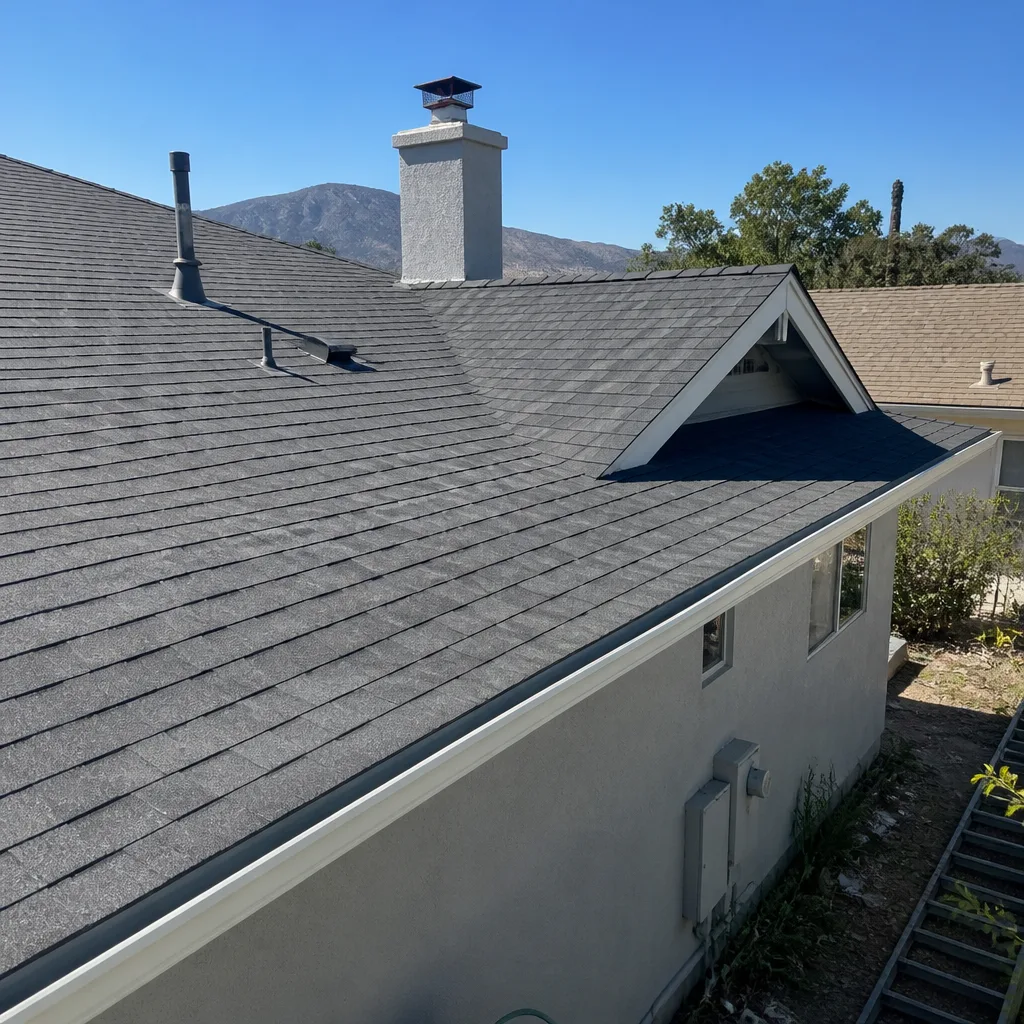
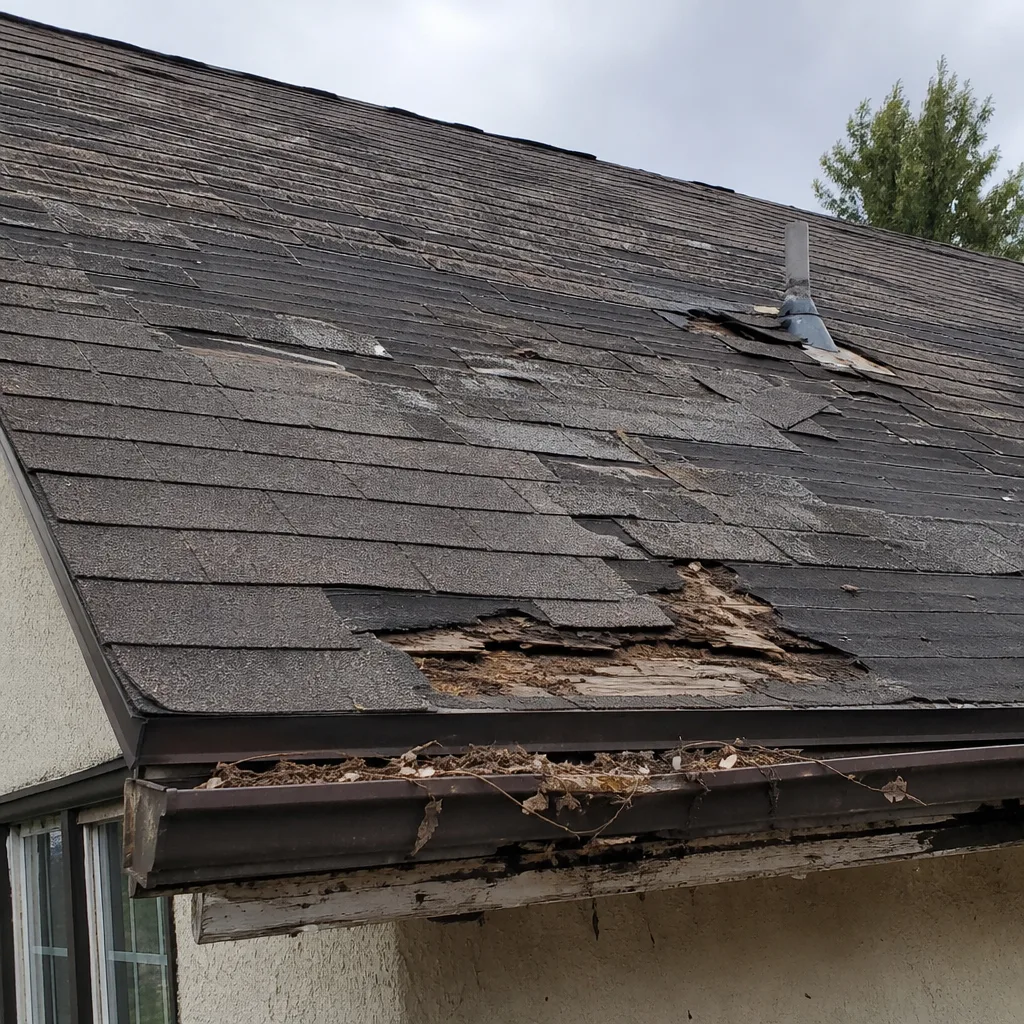
Composition shingle is the most common roof type on Burbank’s post-war bungalows and 1950s-era ranch homes. These roofs carry a realistic service life of roughly 18 to 25 years in the San Fernando Valley, even when the shingle manufacturer’s warranty suggests longer. That’s a climate effect, covered in the next section. Composition shingles are the most cost-effective replacement option, which is why they remain the default for flat-lot homes throughout Burbank.
Flat and Low-Slope
Mid-century modern homes in Burbank – and there are many, particularly in the hills and in pockets north of the 134 Freeway – often use flat or low-slope roofs. These are built membrane systems: built-up roofing, modified bitumen, or single-ply membranes like TPO and PVC. Flat roofs demand a different inspection discipline. The failure points are seams, penetrations, and drainage. Ponding water on a flat Burbank roof after a winter rain isn’t a cosmetic issue; it’s an accelerated aging mechanism. A flat roof that drains poorly can lose years of service life.
Concrete Tile
Concrete tile is the practical cousin of clay. It’s produced in shapes that mimic clay barrel, flat, and shake profiles, but it’s lighter, less expensive, and carries the same Class A fire rating. Homes built from the 1980s onward in Burbank often have concrete tile. Like clay, the tile itself is long-lived; the underlayment is the maintenance item. Concrete tile also supports one of the strongest environmental arguments in roofing – it keeps old tile waste out of landfills when it eventually does come down, and many concrete tile products are recyclable at end of life.
What San Fernando Valley Heat Does to Your Roof
Burbank is not coastal Los Angeles. The San Fernando Valley creates its own thermal envelope – summer high temperatures run 10 to 20 degrees hotter than Santa Monica or Venice, and the roof surface itself can reach 150 to 160 degrees on an August afternoon. That heat load is the single most under-appreciated factor in Burbank roofing decisions.
For asphalt shingles specifically, the effect is granule loss. The ceramic granules embedded in a shingle’s surface are its UV shield. Sustained high heat accelerates the thermal expansion and contraction cycle of the asphalt substrate, loosening the granule bond. A 15-year-old shingle roof in Burbank will typically show more granule loss than a 15-year-old roof in West LA – not because the material was defective, but because the valley climate works the shingle harder.
What this means practically:
- Warranty terms don’t tell the whole story. A shingle warranty may cover manufacturing defects for 30 or 50 years, but warranties don’t cover climate-accelerated wear. The realistic service life question is one your contractor should answer honestly for Burbank specifically.
- Attic ventilation matters more in the valley. Adequate intake and exhaust ventilation reduces attic temperatures, which reduces shingle substrate temperature, which slows the degradation cycle. A roof replacement in Burbank should address ventilation as part of the scope, not as an add-on.
- Lighter-colored roofs run cooler. In Burbank’s climate, a lighter shingle or tile color isn’t just an aesthetic choice – it reduces surface temperature and can extend material life. This conversation comes up often when homeowners compare a light and dark color side by side in the same product line.
- Underlayment quality is a budget line worth protecting. The hotter the roof deck, the faster underlayment dries out. Synthetic underlayments hold up better than traditional felt in valley conditions and are worth the incremental cost on a re-roof.
The climate also affects the repair-versus-replace equation. A Burbank roof that’s 85 percent through its service life will fail faster than the same roof on the coast. When we investigate before we recommend, the valley heat is part of that calculation.
Burbank’s Permit Process: What Actually Requires a Permit
Burbank runs its own Building Division. That’s a meaningful distinction for homeowners who’ve compared notes with friends in unincorporated LA County, where the county Department of Building and Safety has different thresholds and workflows. In Burbank, a roof replacement requires a building permit. A repair that’s limited to a small area – replacing fewer than a certain number of shingles or tiles without disturbing the structural deck – generally doesn’t require a permit, but the permitting threshold is not something to guess at.
The City of Burbank Building Division allows some re-roofing work to be self-certified by the contractor under specific conditions. In practice, this means a licensed contractor certifies that the replacement meets current code requirements without full plan check submittal. The self-certification route applies to straightforward re-roof projects where the material type is like-for-like or the new assembly is a standard code-compliant configuration. Complex projects – structural repair, deck replacement, changes in roof slope, or installations on hillside parcels with geological review requirements – must go through standard plan check.
What homeowners should understand from a practical standpoint:
- Permits are the homeowner’s protection. A contractor who offers to do a full replacement “without bothering with permits” is asking you to accept liability for code compliance. In a fire zone, that’s not a theoretical risk.
- The Burbank permit office is city-specific. Requirements in Glendale, North Hollywood, or Toluca Lake don’t govern what the Burbank counter accepts. Your contractor should be working with the Burbank Building Division specifically, not assuming LA County rules apply.
- Plan check timelines vary, not by much for simple re-roofs. A standard re-roof permit in Burbank is typically issued quickly, but the work still has to be scheduled around the city’s inspection calendar. Unexpected delays usually come from incomplete submittal documents, not slow city processing.
- Final inspection is the proof point. After a permitted roof replacement in Burbank, a city inspector signs off. That inspection record is useful later – when selling the home, when the insurance carrier asks for proof of compliant work, and if any workmanship issue arises.
For homeowners weighing a Roof Replacement in Burbank, the permit path is part of the scope. It’s not an optional line item. A contractor who pulls the permit, schedules the inspection, and stands behind the work gives you a record – not just a warranty.
Repair vs. Replacement: The Full-Lifecycle Cost Math
The most expensive mistake in Burbank roofing isn’t a bad repair. It’s a repair that’s technically successful but commercially wrong – a patch that holds for eighteen months on a roof that should have been replaced three years ago. Understanding when repair extends useful life versus when it subsidizes a failing roof is the highest-value skill a homeowner can develop. For a deeper look at this decision, see DIY vs Professional Roofing: The Burbank Homeowner’s Decision Guide.
The calculation starts with two numbers. First, what’s the remaining service life of the roof? A 20-year-old composition shingle roof in Burbank, by virtue of the valley heat, is near the end of its practical life. Second, what does the repair cost as a percentage of a replacement? If the repair is under 10 percent of replacement cost and buys two or three years, it’s defensible as a bridge. If it’s over 10 percent and the roof is past 85 percent of its service life, it’s usually money better directed toward replacement.
Here’s the fuller-lifecycle framing, in annual cost terms:
- Scenario one: repair and hold. A $900 repair on a roof with 10 years of life left works out to $90 per year of protected service. That’s a good repair.
- Scenario two: repair as subsidy. A $2,800 repair on a roof with 2 years left works out to $1,400 per year. A full replacement may cost $14,000 and last 22 years, which is about $636 per year. The repair is the more expensive option by annual cost, and it leaves the homeowner with the same aging roof underneath.
- Scenario three: wholesale tear-off. A $22,000 replacement of a roof that still had 8 years of life left technically works out to $2,750 per year for those first 8 years versus the cost of just maintaining the old roof. The replacement was too early. This is the other side of the same coin – some companies push replacement when repair would be the responsible call.
This is why diagnostic clarity matters. A contractor who comes to your Burbank home and quotes a full replacement without a genuine inspection finding that supports it is making a sales call, not a roofing consult. Marquis Roof Repair’s repair-first position is built into the company name. We investigate before we recommend, and the recommendation that emerges from that investigation is different for every roof. It’s driven by the roof’s actual condition, its age, its material type, and the homeowner’s plans for the property. If you’re evaluating contractors, How to Hire a Roofing Contractor in Burbank: A Step-by-Step Guide walks through the vetting process.
For most Burbank homeowners, the right first step isn’t a replacement quote. It’s a Roof Inspection in Burbank that produces a clear picture of where the roof sits in its lifecycle – and what the next five years will cost under each path.
Material Brands and What They Mean for Your Warranty
Homeowners who research roofing materials quickly discover that most contractors are attached to one brand. It’s not unusual for a company to install exclusively GAF or exclusively Owens Corning. That’s a business decision on the contractor’s side – it simplifies inventory and training – but it narrows the homeowner’s options for reasons that have nothing to do with the house.
The opposite approach is a brand-agnostic one, and it’s the approach we’ve built at Marquis Roof Repair. We install products from seven major manufacturers: GAF, CertainTeed, Owens Corning, IKO, Atlas, Tamko, and Boral. That’s an unusually broad material portfolio for a local contractor, and it exists for a specific reason: the right material for your roof should be chosen because of your roof, your parcel, and your budget – not because of which truck rolled up that week.
What the multi-brand access means in practical terms:
- Warranty structures vary by product line. CertainTeed and Owens Corning both offer upgraded warranty paths when installation is done by credentialed contractors and the roof system includes matched components. Those warranty tiers differ by manufacturer and by product family. The homeowner should see those options side by side, not hear about one brand’s program as if it were the only program.
- Tile and shingle decisions shouldn’t be a trade-off by default. A homeowner who wants concrete tile in a style that resembles clay has options from Boral. A homeowner who wants a premium architectural shingle has options from CertainTeed or Owens Corning or Atlas. The comparison should be honest and based on what the roof needs.
- The warranty you’re actually getting is specific. Manufacturer warranties cover material defects for a stated period. Workmanship warranties are separate, issued by the contractor. Neither should be vague. Seven manufacturer lines, one point of contact is the convenience; the substance is that the warranty conversation starts from what’s actually on the roof, not what one brand happens to offer.
Seven manufacturer lines is uncommon enough that it bears repeating in the context of Burbank, because the city’s zoning and climate constraints are also uncommon. You want a contractor who can reach into a broad material set and pull the right product for a VHFHSZ hillside tile roof one day and a flat-lot ranch re-shingle the next. That’s the practical benefit, and it’s built to the Marquis standard in every install we do.
A Practical Maintenance Schedule for Burbank Roofs
Roofs in Burbank don’t fail suddenly in most cases. They degrade in a pattern – and the pattern is predictable if you know what to look for and when to look. Here’s a maintenance rhythm that matches the city’s climate and the four dominant roof types.
- Every fall, before the rain season. Walk the property with binoculars or have a professional inspection if you’re not comfortable with ladder work. Look for cracked tiles, lifted shingle edges, and debris accumulation at valley intersections and behind chimneys. Debris holds moisture against the roof surface, which is the enemy year-round.
- Every winter, after the first significant storm. Check the attic or crawl space for water stains on the deck. The first rain of the season reveals leaks that developed over the dry months. Don’t wait for a second storm – water intrusion compounds quickly when the deck stays damp.
- Every spring. Inspect flashings: pipe boots, chimney flashing, wall step flashing, and the valley metal on shingle roofs. Flashing is the highest-failure-point-per-square-inch component on any roof, and flashings degrade on their own schedule, independent of the main roof field.
- Every two to three years for specific items. Re-seal exposed fasteners on metal flashings, check roof vents for blockage, and clear any overhanging branches that scrape the roof surface. Tree contact is common in the Verdugo foothills and accelerates granule loss on shingles and micro-cracking on tiles.
- As needed after high wind events. Santa Ana winds in Burbank regularly exceed 40 mph, with gusts that can lift shingle tabs and shift tile. After a wind event, scan the roof for visible displacement. Missing granules, shifted tiles, and lifted shingle corners are the smallest signs of the next leak.
This is the maintenance rhythm we recommend to every homeowner after a roof install in Burbank. It’s low-effort, it catches problems before they become structural, and it protects the warranty on a replacement roof – because manufacturer warranties, to the extent they apply, assume the roof has been reasonably maintained.
Common Mistakes to Avoid
- Choosing a roof material without checking the fire-zone map. Homeowners on hillside parcels who price a roof based on a neighbor’s quote from a flat-lot street sometimes discover the hard way that their parcel has additional Chapter 7A requirements. Check your zone before you shop.
- Assuming tile means no maintenance. The tile is not the roof; the underlayment is. Clay and concrete tile roofs in Burbank need underlayment replacement on a 20- to 30-year cycle regardless of what the tile looks like.
- Ignoring attic ventilation. In the valley’s summer heat, a poorly ventilated attic shortens shingle life and pushes heat into the living space. A re-roof is the right time to correct ventilation, not after the new roof is already on.
- Letting a generalist replace a roof. Roofing is a specialty trade. Burbank homeowners who hire a general contractor for a roof replacement lose the material-specific expertise and manufacturer-trained installation that a specialist brings.
- Treating all repair quotes as equal. A cheap repair that addresses a symptom but not the underlying cause is a down payment on the next repair. Ask for the diagnosis, not just the number.
- Filing an insurance claim too quickly. Minor storm damage may fall below your deductible, and a claim that pays little can still complicate renewal. Know what you’re claiming for before you involve the carrier.
- Deferring an inspection because the roof “looks fine.” The most expensive Burbank roofs we see are the ones that looked fine from the street and were failing at the deck. Inspection reveals the roof’s actual condition, not its curb impression.
When to Call a Professional
Some roofing issues are visible and obvious; most are not. The professional call threshold for homeowners is lower than most people think. If you see water stains on a ceiling, granule accumulation in gutters, shingle tabs lifted after a wind event, or cracked tile on a hillside home – call. If your roof is past 15 years old and has never had a professional inspection, the call is past due. If your insurance carrier has asked about roof condition at renewal, don’t wait for them to act. Marquis Roof Repair offers free estimates in Burbank – call (866) 705-2978. Our inspection tells you what you have, what it needs, and what it doesn’t need.
For homeowners ready to move forward, a Roof Repair in Burbank diagnosis or a full replacement consultation starts with the same thing: an honest look at the roof. That’s the service we provide, and it’s the reason the company leads with repair.
Frequently Asked Questions
A full roof replacement in Burbank typically runs between $12,000 and $30,000 depending on roof size, material type, pitch, and whether the home is in a fire-zone hillside area that requires Class A materials. Composition shingle on a typical Burbank ranch starts near the lower end; a tile roof with hillside access and underlayment replacement lands higher. Call (866) 705-2978 for an exact quote – estimates are free, and the number reflects your actual roof, not a per-square average.
Yes, a roof replacement in Burbank requires a permit through the City of Burbank Building Division, and some straightforward re-roofs qualify for contractor self-certification instead of full plan check. Repairs that don’t disturb the structural deck often don’t require a permit, but the threshold is fact-specific – your contractor should nail down the requirement for your exact scope before work starts.
Burbank hillside parcels inside the Very High Fire Hazard Severity Zone require Class A fire-rated roof coverings under Chapter 7A when more than 50 percent of the roof is replaced. Metal, clay tile, concrete tile, and Class A composition shingles all meet the standard; untreated wood shakes and shingles do not.
In Burbank’s valley heat, a composition shingle roof typically lasts 18 to 25 years, which is shorter than the same roof in coastal cities. The heat accelerates granule loss and substrate aging, which is why attic ventilation and shingle quality matter more in Burbank than they do elsewhere in LA County.
Repair is often the right call for a tile roof with broken tiles or isolated flashing failures. The bigger question is the underlayment beneath the tile – if that’s reached the end of its service life, no amount of tile patching addresses the real problem. A professional inspection separates the tile condition from the underlayment condition, and that’s the decision that drives cost.
Not always, but it’s increasingly common in Burbank’s hillside fire zones for carriers to ask about roof condition at renewal and to decline coverage if the roof is original to a pre-1990s home. If you’ve received a letter or notice from your carrier about roof condition, treat it as a hard deadline, not a suggestion. Call (866) 705-2978 to have the roof inspected and documented before you respond to the carrier.
The Bottom Line
Roofing in Burbank is a local discipline, not a generic trade. The fire-zone maps, the valley heat, the mixed housing stock, and the city-specific permit process all shape what you should do with your roof – and what you shouldn’t. The homeowners who get the best outcomes are the ones who understand their roof type, know where their parcel sits relative to the fire zones, ask for diagnosis before replacement, and work with a specialist who carries the full material range instead of one brand’s sales kit. Marquis Roof Repair covers the roof lifecycle from first inspection to final shingle. We inspect first, we recommend what the roof actually needs, and we install to the Marquis standard – seven manufacturer lines, one point of contact – whenever the work moves forward. For a comprehensive overview of repair options, read The Complete Roof Repair Guide for Burbank Homeowners.
Written by the team at Marquis Roof Repair, serving Burbank since 2014.
For an honest roof diagnosis and a free estimate in Burbank, call (866) 705-2978 or reach out through our Marquis Roof Repair home page.
See the difference
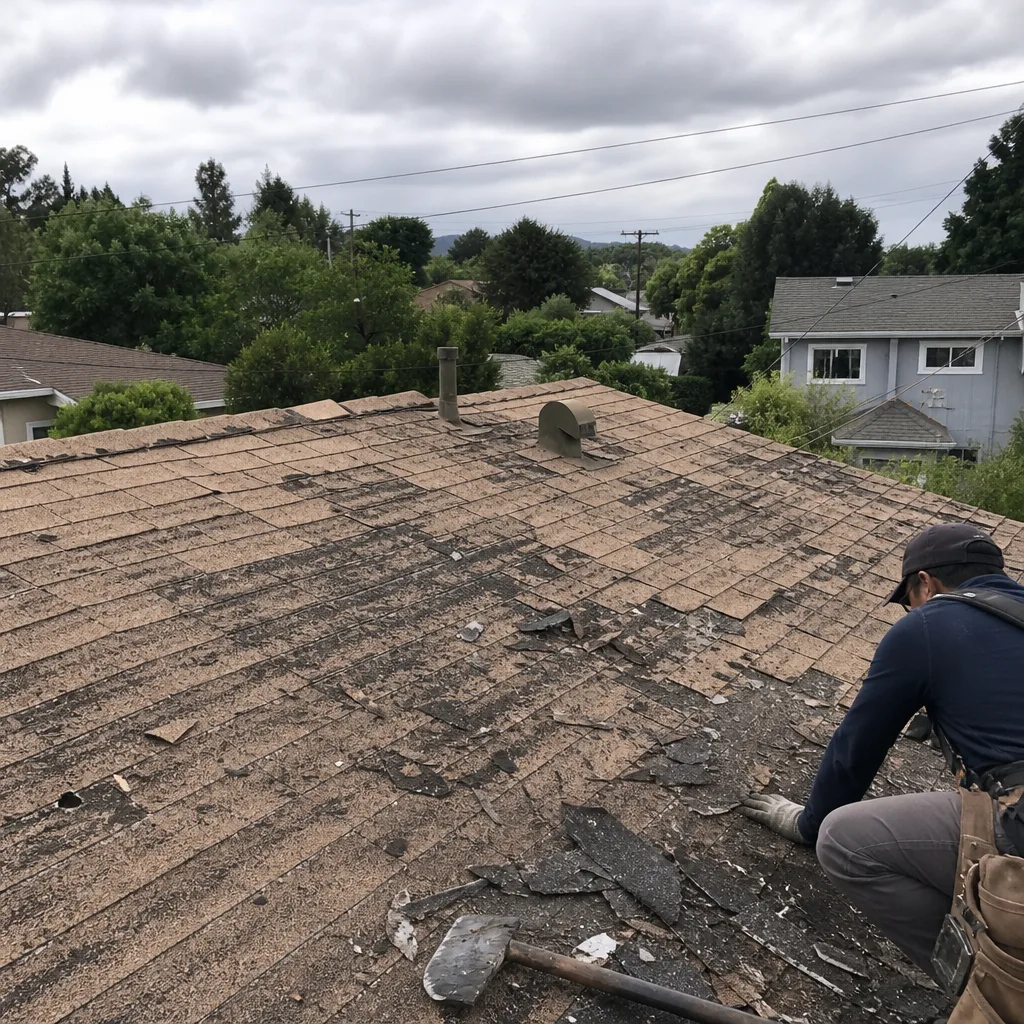 Before
 After
 Before
 After
 Before
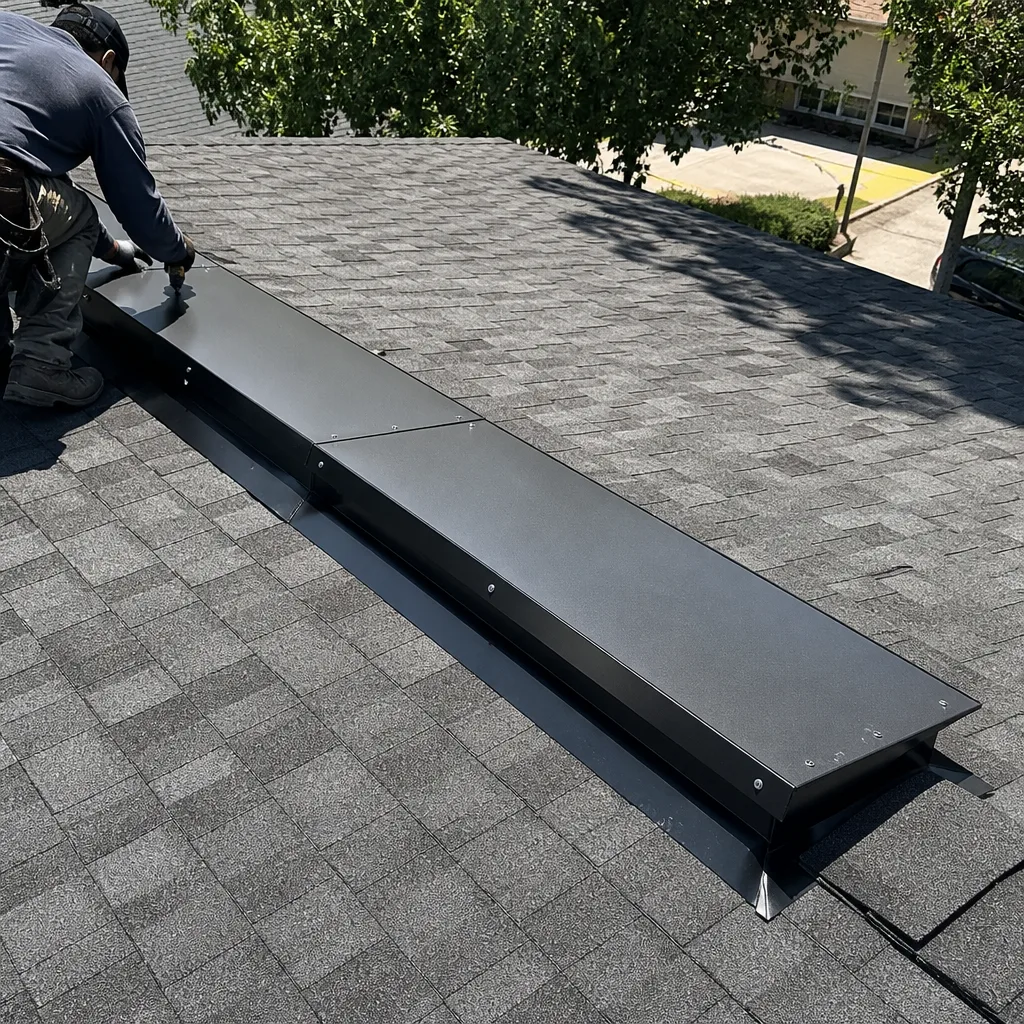 After