
Last updated October 31, 2026
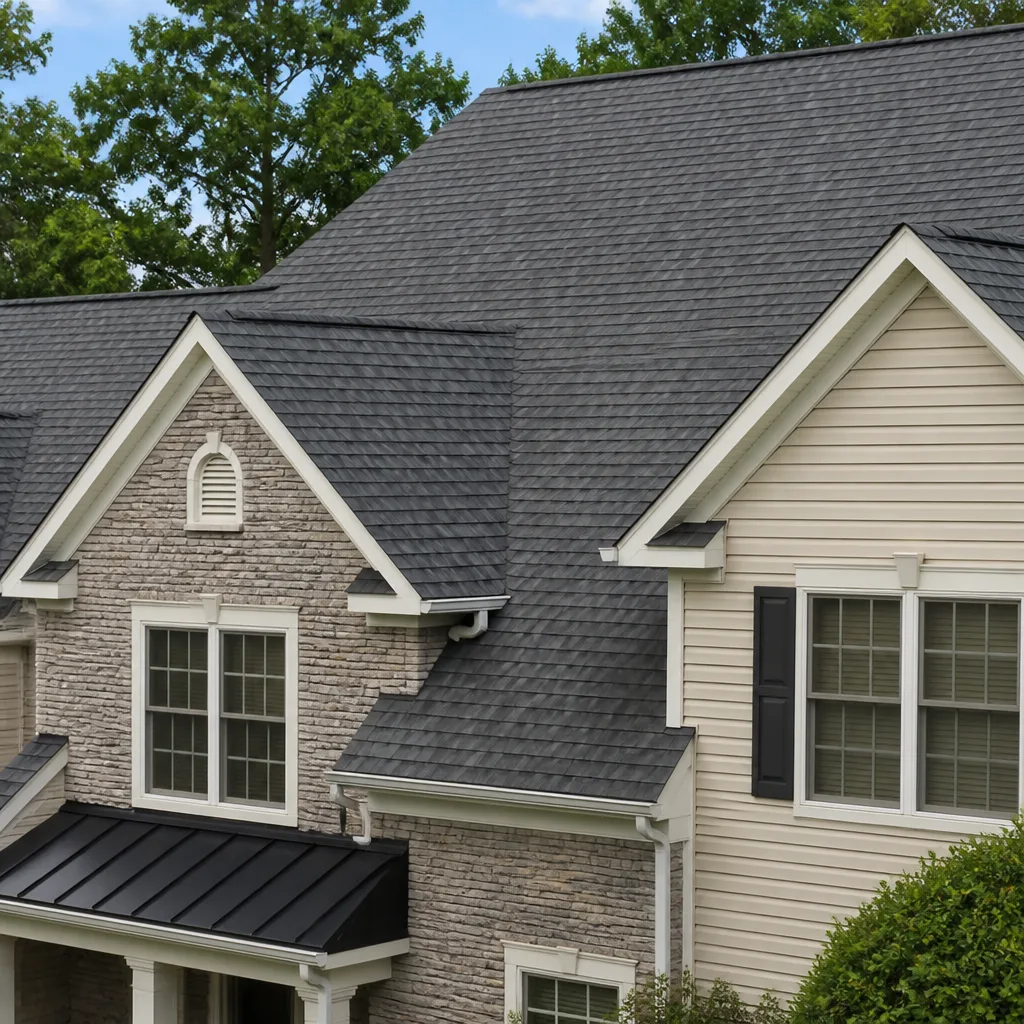 Architectural shingles
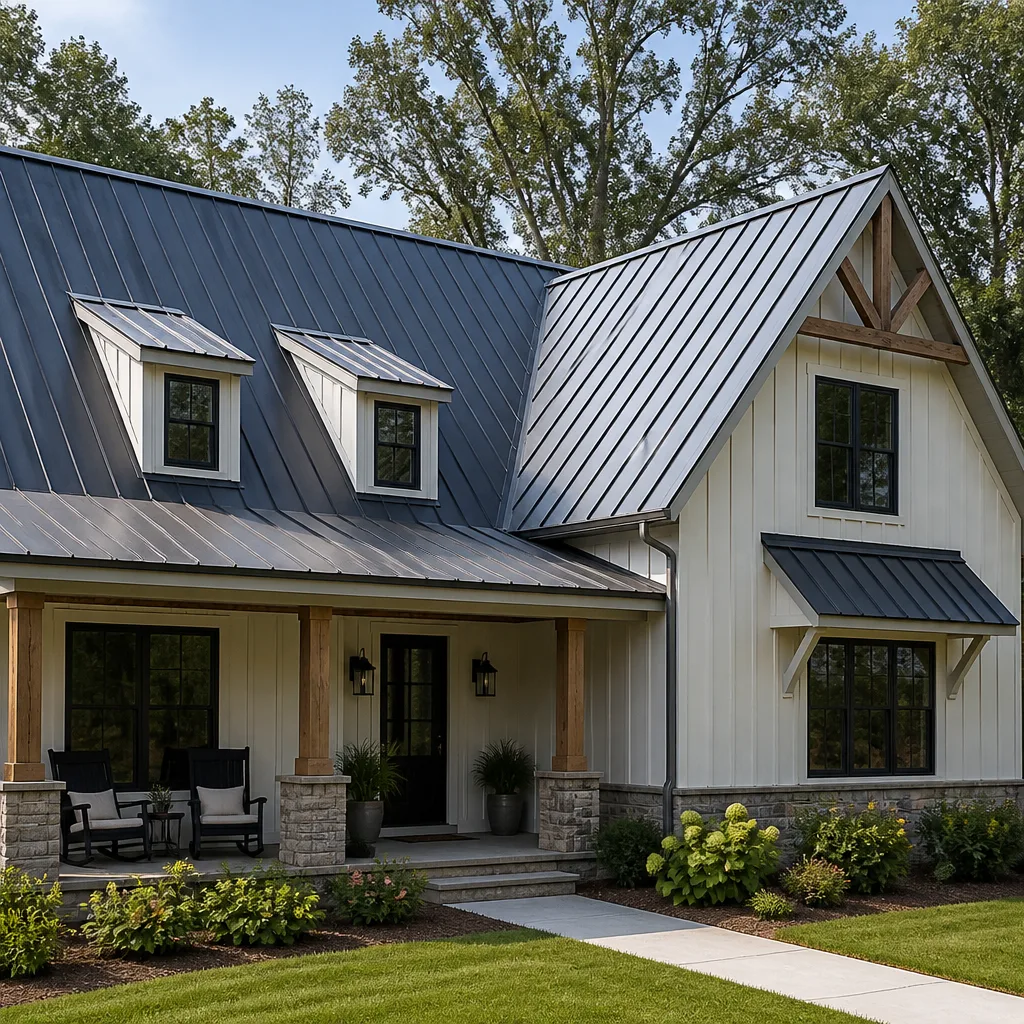 Metal roofing
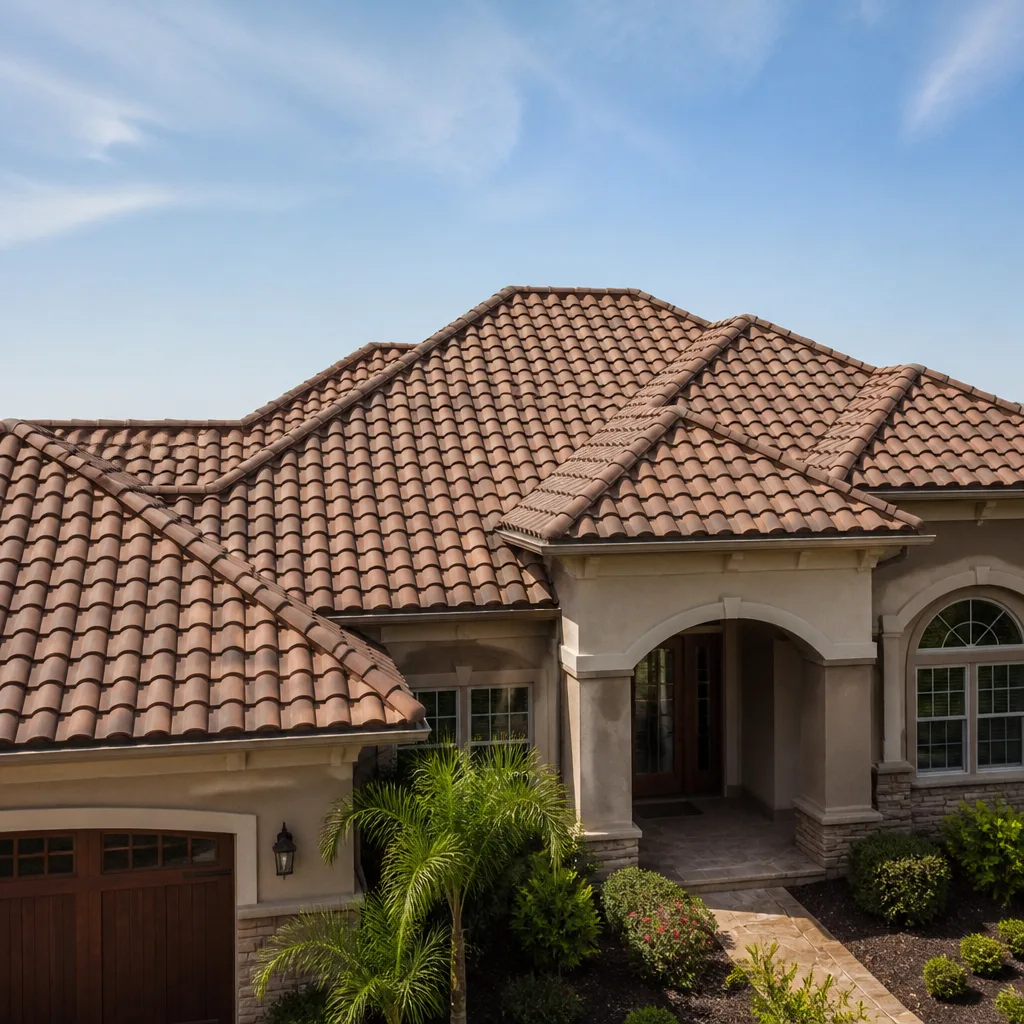 Tile roofing
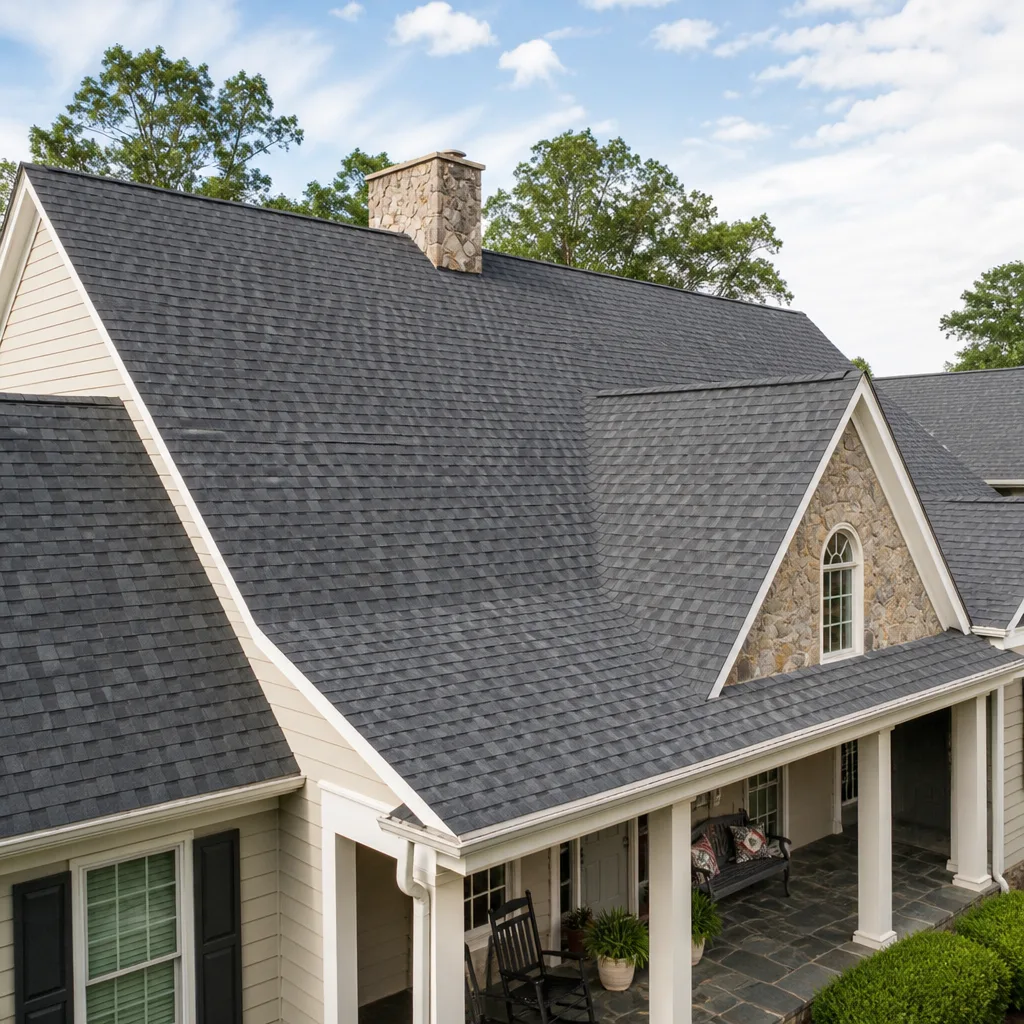 GAF
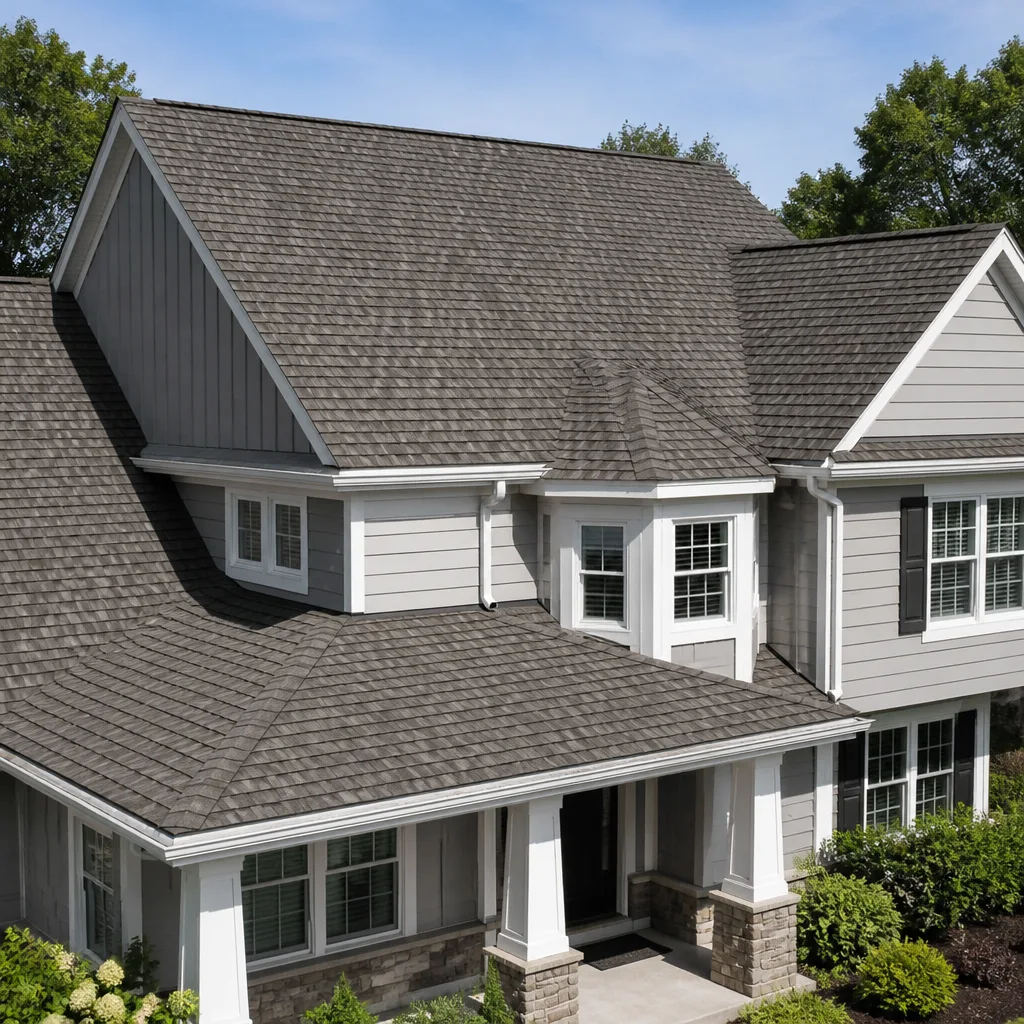 Owens Corning
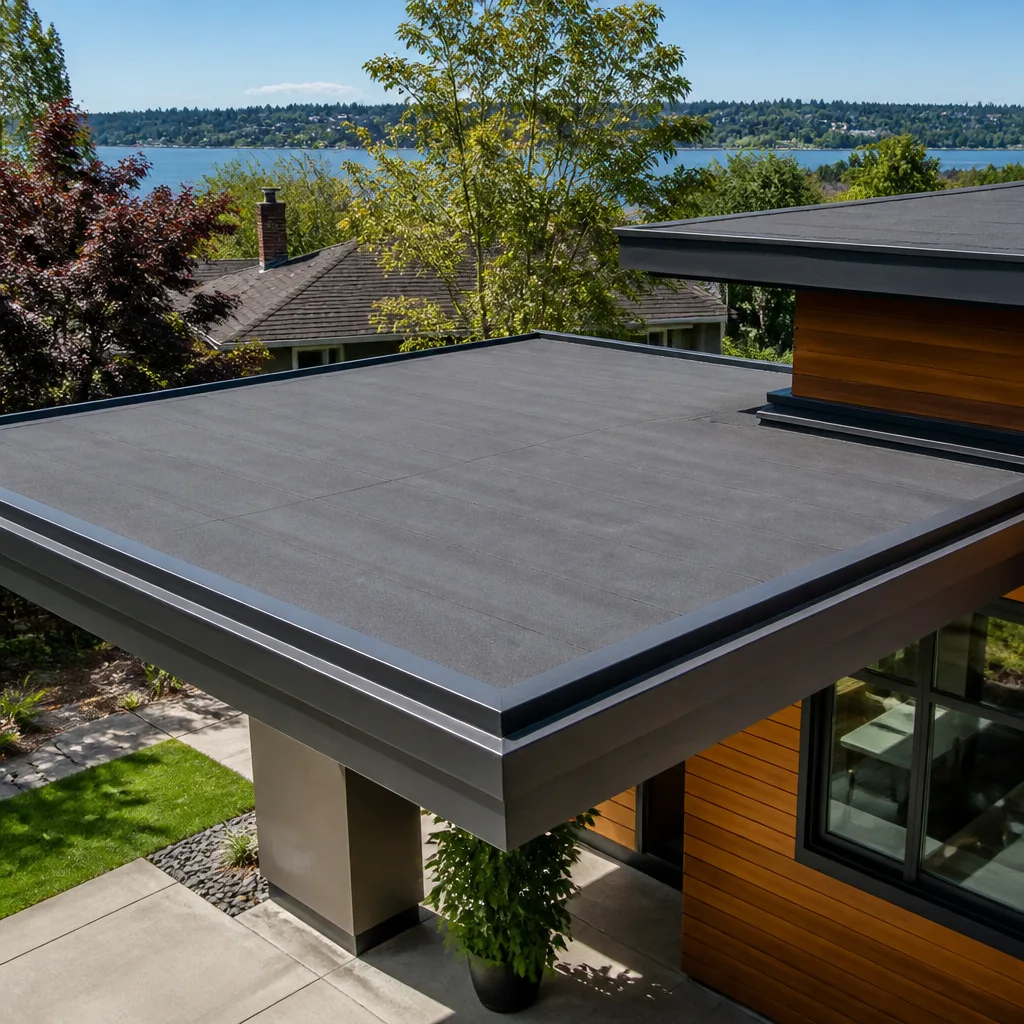 Flat & low-slope
Free roof inspection with deck photos before we talk money - GAF and Owens Corning certified installation
Roof Repair Maintenance Checklist for Burbank Homeowners
The single most skipped maintenance task on Burbank roofs isn’t gutter cleaning. It’s verifying that roof-to-wall flashing hasn’t separated at the stucco interface. That seam, where the roof plane meets the vertical wall, is where slow leaks incubate for months before they ever announce themselves as a water stain on your ceiling. By the time you see it inside, the plywood decking beneath the shingles or tile has been quietly rotting. This guide is built around the actual failure patterns we see on Burbank roofs, prioritized by risk, not alphabetically. You’ll learn what you can safely check from the ground, what requires a trained eye with fall protection, and how to document what you find so future warranty claims don’t become arguments.
Quick Answer
A proper Burbank roof maintenance routine has two tiers: ground-level visual checks you do every season (look for lifted shingles, separated flashing, debris in valleys, cracked tile) and professional inspections twice a year, timed around Burbank’s two weather realities: post-Santa Ana wind season and the week before the first heavy winter rain. Five zones fail most often on Burbank homes: chimney saddles, parapet walls on flat roofs, valley intersections, skylight perimeters, and ridge vents. Document every check with dated photos from the same angles so you build an evidentiary record that holds up with insurance adjusters and manufacturer warranty departments. Most homeowners can do the ground-level pass in 15 minutes; the professional pass catches what ladders and untrained eyes miss.
Styles & brands we work with
Table of Contents
- The Tiered Checklist: What You Check vs. What We Check
- Burbank’s Two Seasonal Triggers: Santa Anas and the First Rain
- The Five High-Failure Zones on a Burbank Roof
- Maintenance Intervals by Material Type: Tile vs. Composition
- Documenting Roof Condition: Your Warranty and Insurance Evidence File
- Common Mistakes to Avoid
- When to Call a Professional
- Frequently Asked Questions
The Tiered Checklist: What You Check vs. What We Check
Most checklists imply every homeowner owns a 28-foot ladder, a safety harness, and the nerve to walk a 6:12 pitch. That’s irresponsible. A Burbank homeowner can catch 70% of developing problems from the ground or a second-story window with binoculars. The remaining 30% requires walking the roof surface, checking for soft decking, and testing flashing adhesion by hand. That’s contractor work, and it’s not a suggestion, it’s a matter of not becoming a fall statistic.
Here’s the honest split between what you can do safely and what a trained roofer should handle during a professional roof inspection in Burbank:
Ground-Level Visual Pass (Homeowner, 15 Minutes, Every Season)
- Binocular scan of ridge and hips: Look for shingles that have lifted at the edges, cracked tile caps, or exposed nail heads glinting in direct sun. Burbank’s UV intensity bakes the adhesive strip on composition shingles faster than coastal communities. A shingle that’s lost its seal is a wind-lift risk during the next Santa Ana.
- Flashing separation at roof-to-wall junctures: This is the check that saves ceilings. From the ground, look where the roof plane meets stucco walls. You’re watching for a visible gap, cracked sealant, or a metal L-flashing that has pulled away from the wall by more than a quarter inch. Any of those is a slow-leak incubator.
- Valley debris accumulation: Use binoculars to check valley intersections. Burbank’s combination of live oaks, pepper trees, and wind-driven eucalyptus means valleys load up with leaves and twigs faster than most neighborhoods. A clogged valley is a water-dam redirect during the first rain.
- Skylight perimeter check: Look for cracked or shrinking sealant around the skylight curb. Visible sealant cracks from the ground mean deeper separation you can’t see.
- Ceiling and attic clues inside the house: Walk the interior looking for faint brown rings on ceilings, peeling paint at the top of walls, or a musty smell in the attic. Those are the late-stage signals that a flashing failure has already breached the decking.
Rooftop Professional Pass (Contractor with Fall Protection, Twice a Year)
These items require walking the roof surface, and we’ll be direct: do not do this yourself. Falls from roofs are one of the leading causes of homeowner injury during home maintenance. A roof repair professional in Burbank carries fall protection equipment, and more importantly, knows how to walk a roof without crushing tiles or creating new problems.
- Decking soft-spot testing: A roofer probes the decking beneath shingles or tile for rot. Burbank’s dry climate doesn’t prevent rot where flashing has failed; it just hides it longer because the decking dries between rains.
- Flashing adhesion testing by hand: This means physically lifting the shingle edge and checking whether the flashing’s sealant is still flexible. Southern California heat cycles cure sealant brittle within 8 to 10 years, even when the shingle looks fine.
- Ridge cap re-torquing on tile roofs: Burbank’s heat expands and contracts the mortar or adhesive holding ridge caps on tile roofs. A roofer checks whether caps have shifted or loosened, especially after a Santa Ana event.
- Parapet wall cap inspection on flat roofs: Many Burbank Spanish-style and mid-century homes have flat or low-slope sections with parapet walls. The metal cap on top of the parapet is a prime failure point that’s invisible from the ground.
Burbank’s Two Seasonal Triggers: Santa Anas and the First Rain
Burbank doesn’t have four seasons. It has two roof seasons: wind season and rain season. Everything else is just dry waiting. Your maintenance calendar should be built around these two events, because they stress roofs in completely different ways.
Post-Santa Ana Wind Inspection Protocol
Santa Ana winds aren’t just strong; they’re directional. In Burbank, the worst winds typically come from the northeast, funneling through the Verdugo Mountains and down toward the flats. That directional force matters because it means the windward slope of your roof takes a beating the leeward slope never experiences.
- Wait for the wind event to fully pass. Don’t go checking during 50 mph gusts; wait for the calm the next morning.
- Walk the perimeter of your home and photograph the roof from all four sides. You’re building a record, and the post-wind photos are your baseline.
- Binocular-scan the windward slope specifically. This is the side facing the Verdugo Mountains, roughly the northeast-facing plane for most Burbank homes. Look for lifted shingle tabs, tiles that have shifted, or debris that’s been driven under the leading edge.
- Check the ground for debris that tells a story. Shingle granules in the gutters or on the patio, broken tile pieces, or a piece of flashing on the lawn are evidence of where the wind found a weak point.
- If you find any loose or shifted material, call for a professional repair before the next rain. A lifted shingle becomes a water inlet within weeks. Santa Ana damage is the number one cause of pre-rain emergency repairs in Burbank.
Pre-Rainy-Season Flashing Audit
The right window for this audit is late October to early November, before the first sustained winter rain. By November, Burbank has typically gone six months without meaningful precipitation, and that dry stretch is when sealant shrinkage and flashing separation becomes visible. The problem is it’s also invisible from the ground, which is why this is a professional pass.
A pre-rain audit should cover every penetration and transition: chimney base, skylight curbs, plumbing vent collars, roof-to-wall intersections, and valley flashing. We’ve seen Burbank homeowners with 10-year-old roofs take on interior water damage because a two-inch section of chimney counter-flashing had separated during the dry season and nobody looked before the first storm hit. A roof inspection in Burbank scheduled in late October costs a fraction of what a water-damage claim costs in December, and the insurance math doesn’t even include the disruption.
The sequence matters. Post-Santa Ana checks catch wind damage before it becomes water damage. Pre-rain audits catch water-intrusion risks before they become interior claims. Skip either one, and you’re relying on luck, not maintenance.
The Five High-Failure Zones on a Burbank Roof
Roofs don’t fail uniformly. They fail at transitions and intersections. In Burbank, five zones account for the overwhelming majority of the repair calls we run. If you learn to watch these five areas, you’ve learned to watch your roof.
1. Chimney Saddles
The chimney saddle, also called a cricket, is the small peaked roof built behind a chimney to divert water around it. Without a properly flashed saddle, water pools behind the chimney and works its way into the roof decking. On older Burbank homes, we regularly find saddles that were either never built to current code or have degraded flashing at the saddle-to-chimney junction. Watch for: water staining on the ceiling near the fireplace, cracked sealant visible at the chimney base from the ground, or a saddle that looks like it’s sagging. This is not a handyman repair; chimney flashing is intricate metalwork that has to integrate with the masonry, and getting it wrong means water inside the chase.
2. Parapet Walls on Flat Roofs
Burbank’s Spanish Revival and Mediterranean homes are beautiful, and their flat roof sections are some of the most leak-prone roof assemblies in the city. The parapet wall, the vertical wall that rises above the roofline, is capped with metal that’s supposed to shed water. When that cap’s seams open up or the counter-flashing underneath separates, water gets into the wall cavity and travels laterally before it shows up anywhere. Watch for: cracked stucco at the parapet corners, visible gaps between the cap and the wall, or water stains on interior walls below the parapet line. This is a flat roof repair that requires specific materials knowledge, and not every roofer in Burbank does it well.
3. Valley Intersections
Valleys are where two roof planes meet and funnel water. Burbank’s tree debris, especially eucalyptus leaves and pine needles, accumulates in valleys and holds moisture against the flashing and shingle edges. That trapped moisture accelerates corrosion of the valley metal and rot of the underlying decking. Watch for: visible debris accumulation you can’t easily clear, granule loss on shingles bordering the valley, or any sign that the valley metal has lifted at the edges. A good maintenance habit is hiring someone to clear valleys professionally every fall, particularly if you have overhanging trees.
4. Skylight Perimeters
Skylights are holes in your roof with a factory curb bolted over them, and every sealant joint around that curb is a failure point waiting for the right heat cycle. Burbank’s summer temperatures routinely push 100°F on the roof surface, and that heat ages skylight sealant faster than almost anything else. Watch for: hairline cracks in the sealant bead visible from inside the attic, moisture staining on the drywall around the skylight shaft, or condensation between the glass panes that suggests the skylight unit itself is failing. Skylight leaks are often misdiagnosed as window leaks; if the stain appears only after rain and follows the shaft, it’s a roof issue.
5. Ridge Vents
Ridge vents run along the peak of the roof and provide passive attic ventilation. The problem on Burbank homes is twofold: the vent material degrades under high UV, and Burbank’s wind can drive rain sideways into the vent opening. Watch for: cracked or curled vent material visible from the ground, attic moisture or mildew near the ridge, or a spike in attic temperature during summer that suggests the vent is no longer functioning. A failed ridge vent won’t leak immediately, but it will cook your attic, age your shingles prematurely from underneath, and make your air conditioner work harder than it should.
Maintenance Intervals by Material Type: Tile vs. Composition
One of the most common mistakes in generic maintenance advice is treating every roof material as if it needs the same care on the same schedule. A Burbank home with clay or concrete tile has fundamentally different maintenance needs than a home with composition shingles. Here’s the material-specific breakdown.
Tile Roofs (Clay and Concrete)
Burbank has a high concentration of tile roofs, particularly in the hillside neighborhoods and older Spanish-style homes. Tile is durable; the tiles themselves can last 50 years or more. What fails is what’s underneath and between the tiles: the underlayment and the ridge cap fastening.
- Ridge cap re-torquing: Every 3 to 5 years, the ridge caps on a tile roof should be physically checked for loose mortar or degraded adhesive. The heat-driven expansion and contraction of the tile and the mortar bed causes cracking. In Burbank, where summer roof temperatures exceed 140°F, this happens faster than in cooler climates. This is a professional check that requires walking the ridge line.
- Underlayment inspection access: The underlayment beneath tile roofs in Burbank has a service life of 20 to 30 years, depending on the original material. What this means practically: a tile roof can look pristine from the ground while the underlayment beneath it is failing, and the only way to know is to lift tiles and inspect. If your tile roof is over 15 years old, you should have the underlayment evaluated as part of every professional inspection.
- Broken or shifted tile identification: After wind events, tile roofs in Burbank often lose individual tiles or have them shift out of position. Walking on a tile roof to investigate is exactly the wrong move; tiles crack under foot traffic and a loose tile is a fall hazard. Use binoculars and call a professional.
Composition Shingles
Composition shingles, whether dimensional architectural or three-tab, are more forgiving in some ways and more vulnerable in others. The adhesive strips that seal the shingles together are the failure point most Burbank homeowners miss.
- Adhesive seal integrity check: Every 2 years, the sealed tabs on a composition roof should be checked. A shingle that’s lost its seal looks slightly lifted at the corner and can be lifted with light finger pressure. In Burbank, once the seal fails, the shingle is a wind-uplift candidate during the first Santa Ana.
- Granule loss evaluation: Composition shingles shed granules as they age, and that granule loss accelerates in Burbank’s UV environment. Check gutters and downspouts after rain for granule accumulation. Significant granule loss means the shingle’s asphalt layer is exposed and the clock is ticking toward brittleness and cracking.
- Blistering check on south-facing slopes: The south and southwest-facing roof planes on Burbank homes get the most sun, and that’s where shingle blistering appears first. Blisters look like small bubbles in the shingle surface. They’re a sign of trapped moisture expanding under heat, and they signal an aging roof, not a defective install.
Why the Brand Matters for the Schedule
Your maintenance interval depends partly on the specific products on your roof. A GAF architectural shingle and a CertainTeed product have different adhesive formulations, different granule retention rates, and different warranty terms. The point isn’t that one is better; the point is that the recommended maintenance schedule should be matched to the actual product, not to a generic regional average. We work across multiple manufacturers, including GAF, CertainTeed, and Tamko, because the right maintenance advice depends on knowing what’s actually up there. If your roof was installed by a previous owner and you don’t know what you have, a professional inspection includes product identification so your maintenance calendar can be built on facts instead of guesses.
Documenting Roof Condition: Your Warranty and Insurance Evidence File
Maintenance without documentation is just looking at things. If you ever file a homeowners insurance claim for roof damage or a manufacturer warranty claim for defective materials, you’ll need to prove two things: that the roof was maintained and that the damage you’re claiming is new. Burbank homeowners who keep a simple roof file save themselves thousands of dollars and months of dispute. Here’s the system that works.
- Create a dedicated roof folder, physical or digital. This is your single source of truth. Every photo, invoice, and inspection report goes here.
- Photograph your roof from the same four corners every season. Same position, same angle, same time of day if possible. You’re creating a time-lapse record. Insurance adjusters love dated, consistent photos because they show a pattern of attention.
- Photograph every interior ceiling after every major storm. This is how you catch slow leaks before they become claims. If a stain appears, you have a dated “before” photo from the prior month that proves when it developed.
- Keep every inspection report and repair invoice. A paper trail of professional maintenance is the strongest defense against a denied warranty claim alleging neglect. Manufacturers don’t deny claims because you hired someone; they deny claims because you can’t prove you did.
- Log the date, weather event, and what you observed. A simple note like “Post-Santa Ana, Nov 12: three lifted shingles on NE slope, scheduled repair” is worth more in a dispute than a folder full of undated photos.
This documentation habit ties into the broader philosophy of honest diagnosis. When you call a roofer in Burbank, being able to hand them a file of dated photos changes the conversation. Instead of guessing at what happened, the roofer can see the timeline and focus on the actual problem. That’s exactly the kind of detail we look for when we’re deciding between targeted repair and full roof replacement in Burbank.
Common Mistakes to Avoid
- Walking the roof to “take a look.” Every footstep on a roof risks crushing shingles, cracking tile, or worse, a fall. Burbank tile roofs are especially fragile under foot. Use binoculars from the ground or hire a professional with fall protection.
- Caulking over failed flashing instead of replacing it. Caulk is a temporary band-aid at best. In Burbank’s heat, caulk applied to a flashing joint cures brittle within a season. Real flashing repair requires metalwork, not a tube of sealant.
- Ignoring the leeward slope after a Santa Ana. The windward slope takes the direct hit, but the leeward slope is where lifted shingles and debris accumulate. Check both sides.
- Deferring a pre-rain inspection until the first storm is forecast. By then, every roofer in Burbank is booked. Schedule in October, not when you see clouds.
- Filing a roof insurance claim without documentation. If you can’t show a history of maintenance, the adjuster assumes neglect. Your roof file is your leverage.
- Treating all roof materials the same. A tile roof and a composition roof have completely different failure modes and maintenance schedules. Your plan has to match the material on your house.
When to Call a Professional
Call a roofer when you see any of these specific conditions: water staining on an interior ceiling, visible flashing separation at a roof-to-wall juncture, missing or shifted tiles after wind, granule accumulation in gutters, or any roof component you can see is cracked, lifted, or missing. These are not wait-and-see items. Burbank’s dry climate gives a false sense of security; a small leak today becomes a decking replacement in 18 months. If you’re not sure whether what you’re seeing is a problem, that’s exactly what an inspection is for. Marquis Roof Repair offers free estimates in Burbank, and our diagnostic-first approach means we tell you what’s actually wrong before we ever discuss what it costs to fix it. Call (866) 705-2978 to schedule a roof assessment.
Frequently Asked Questions
Twice a year is the right cadence for Burbank’s climate: once after the Santa Ana wind season in late fall and once in late spring before the summer heat peaks. If your roof is over 15 years old, or if you have a tile roof with original underlayment, three times a year is not excessive. The inspections should be professional for anything beyond a ground-level visual pass. Call (866) 705-2978 to schedule your next roof inspection in Burbank.
Cost depends on what’s wrong, but as a reference, small flashing repairs in Burbank typically run between $250 and $600, while valley re-flashing or decking patch repairs run $800 to $2,500 depending on scope and access. The only way to get an accurate number is to have someone look at the actual condition. Estimates from Marquis Roof Repair in Burbank are free, and line-item, so you know exactly what you’re paying for before work starts.
You can do the ground-level visual pass safely, and you should. The professional pass, which involves walking the roof surface, testing decking, and checking flashing adhesion, requires fall protection and roof-specific training. The risk of a fall isn’t worth the money saved on a professional inspection.
A composition shingle roof in Burbank typically lasts 15 to 20 years before the adhesive seals and granules have degraded to the point of failure. Concrete or clay tile can last 50 years or more, but the underlayment beneath the tile often needs replacement at the 20 to 30 year mark. Burbank’s UV intensity and heat cycles shorten the service life of sealants and adhesives compared to cooler coastal zones.
Roof-to-wall flashing separation at the stucco interface. Burbank’s dry heat cures the sealant behind the flashing until it cracks and pulls away, and because it doesn’t rain for months, the leak that follows is slow and hidden. By the time it shows up as a ceiling stain, the decking underneath has often been compromised. This is the number one repair we run, and it’s the reason we tell every Burbank homeowner to make flashing the first item on their maintenance checklist.
Yes. We document condition thoroughly, provide the same evidence we’d want if we were filing the claim, and walk homeowners through what their policy actually covers before any money changes hands. Our repair-first approach means we’re not going to push a full replacement if a targeted repair is what your roof actually needs. Call (866) 705-2978 for an honest assessment.
The Bottom Line
Roof maintenance in Burbank comes down to watching the right zones at the right times and documenting what you see. The five high-failure zones: chimney saddles, parapet walls, valleys, skylights, and ridge vents, deserve your attention every season. Santa Ana winds and the first heavy rain are your two maintenance triggers, and the period between them, late October, is when you should schedule your professional pre-rain audit. Keep a roof file. Date your photos. Know your material. And when you’re not sure what you’re looking at, call a professional who will look before they recommend. Marquis Roof Repair has served Burbank homeowners since 2014, and we’d rather save your roof than sell you a new one. Start with a conversation at (866) 705-2978.
Written by the team at Marquis Roof Repair, serving Burbank since 2014. Marquis Roof Repair home | Roof Inspection in Burbank | Roof Repair in Burbank | Roof Replacement in Burbank
See the difference
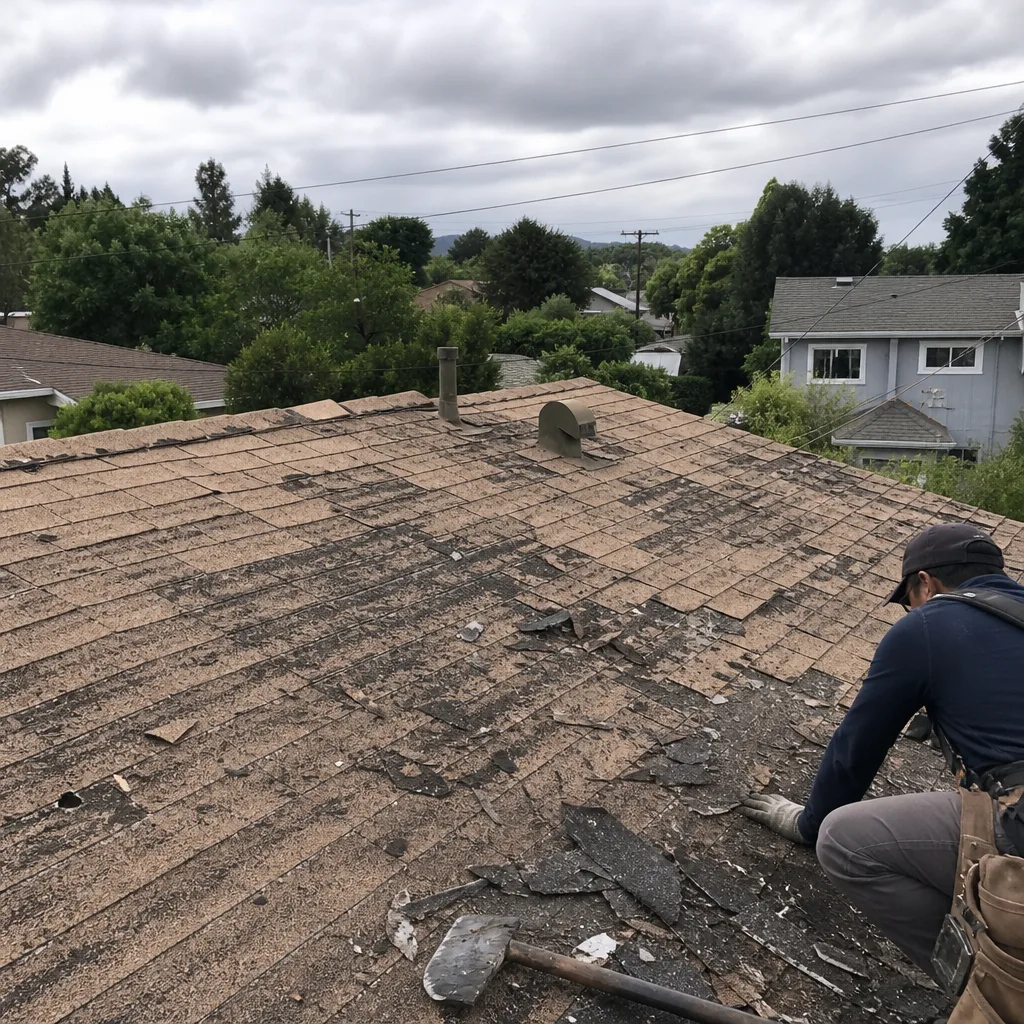 Before
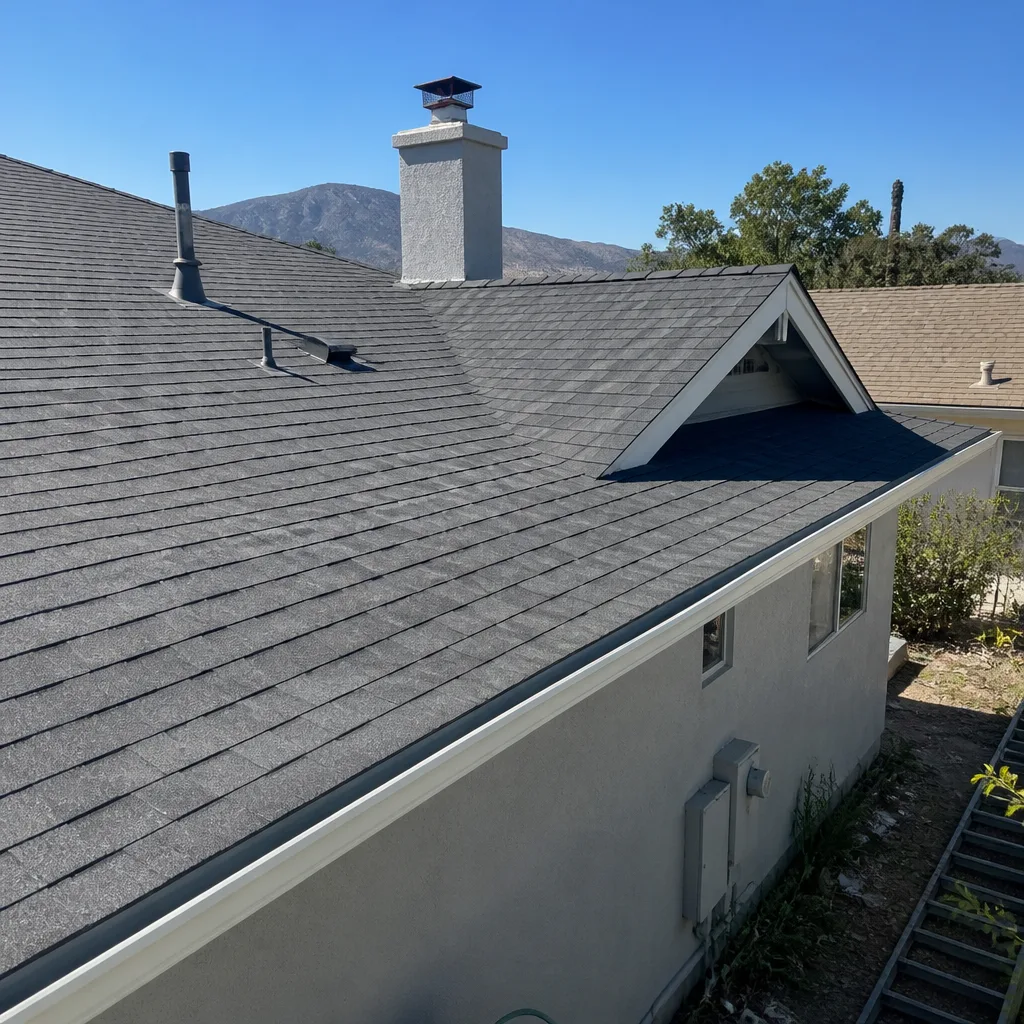 After
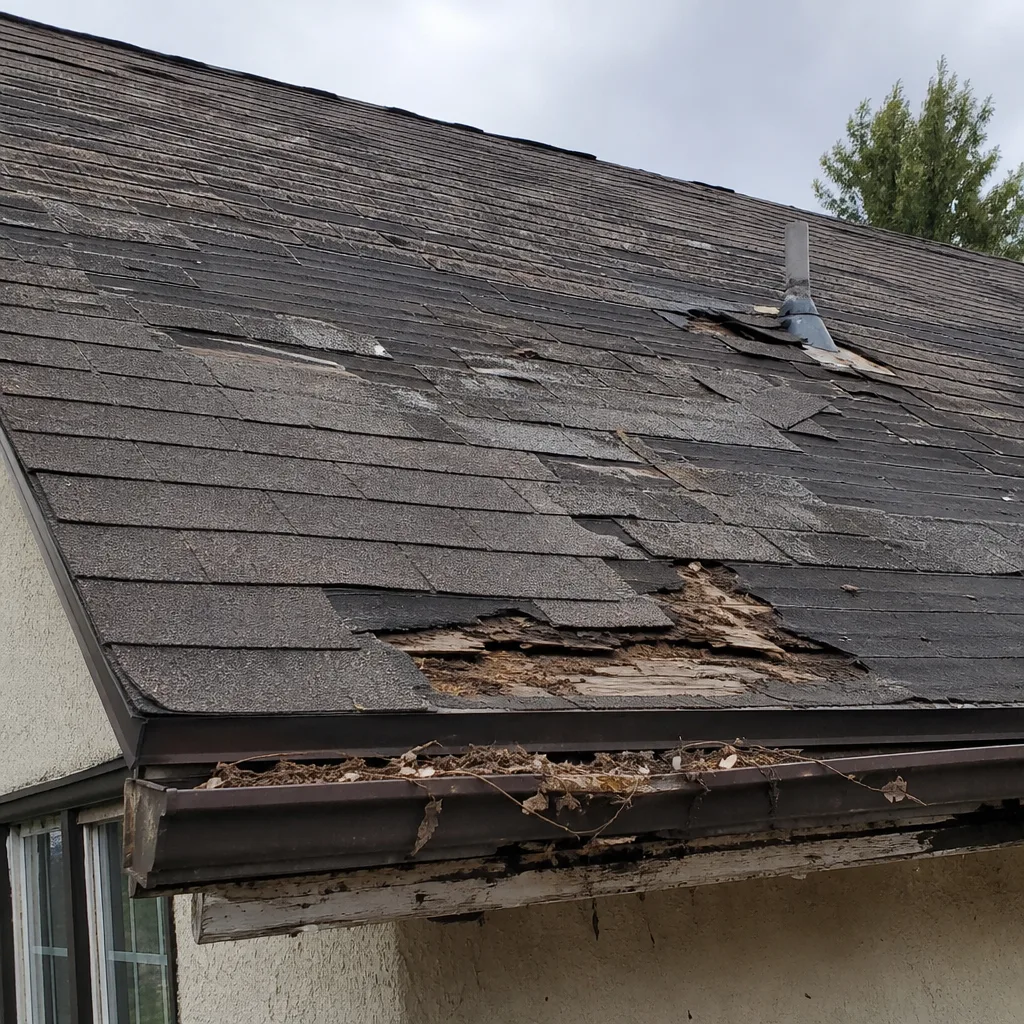 Before
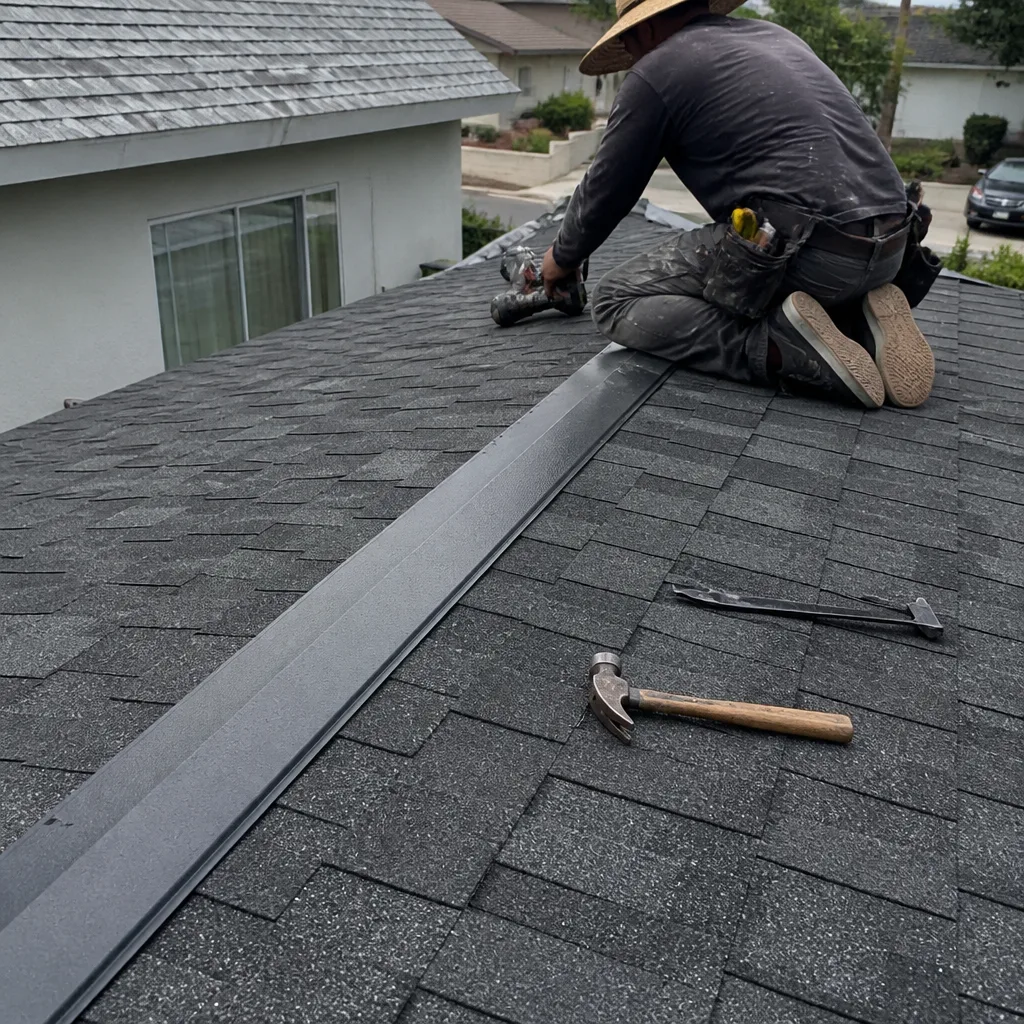 After
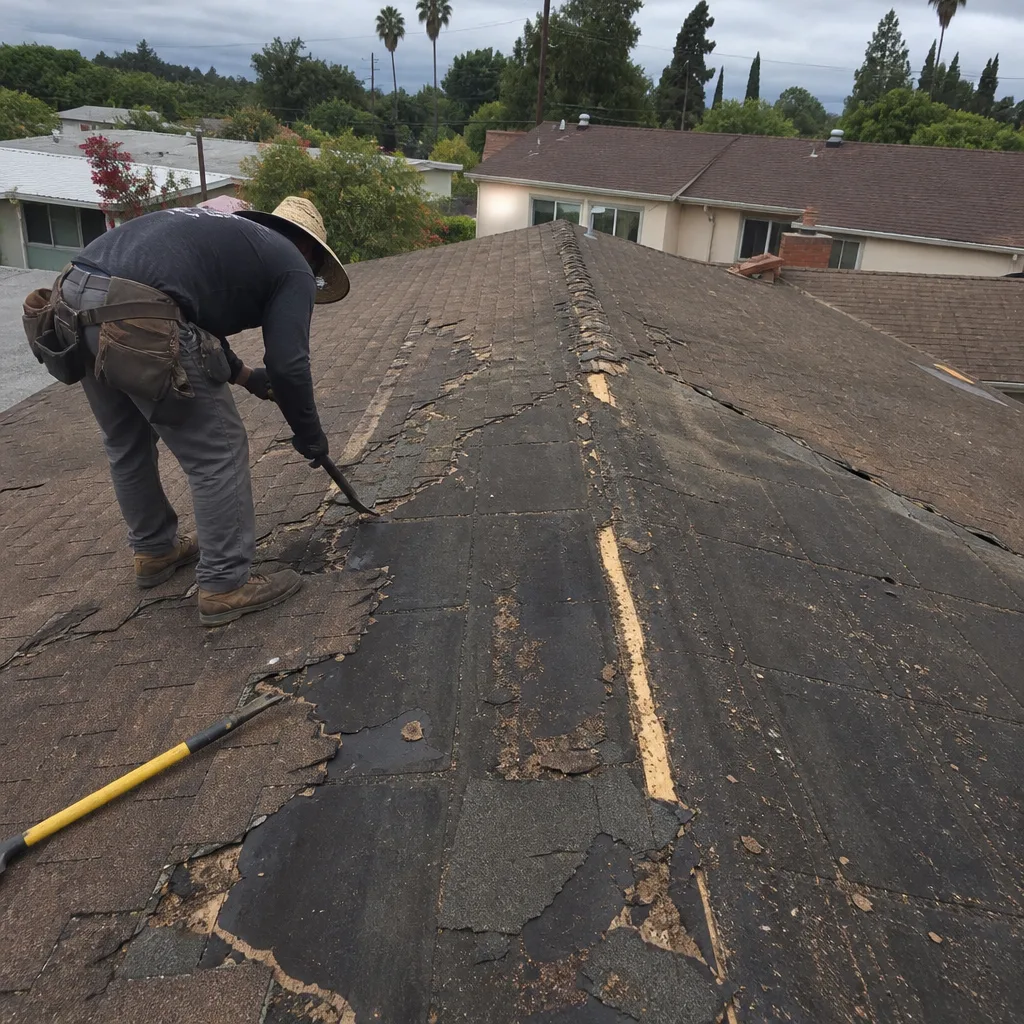 Before
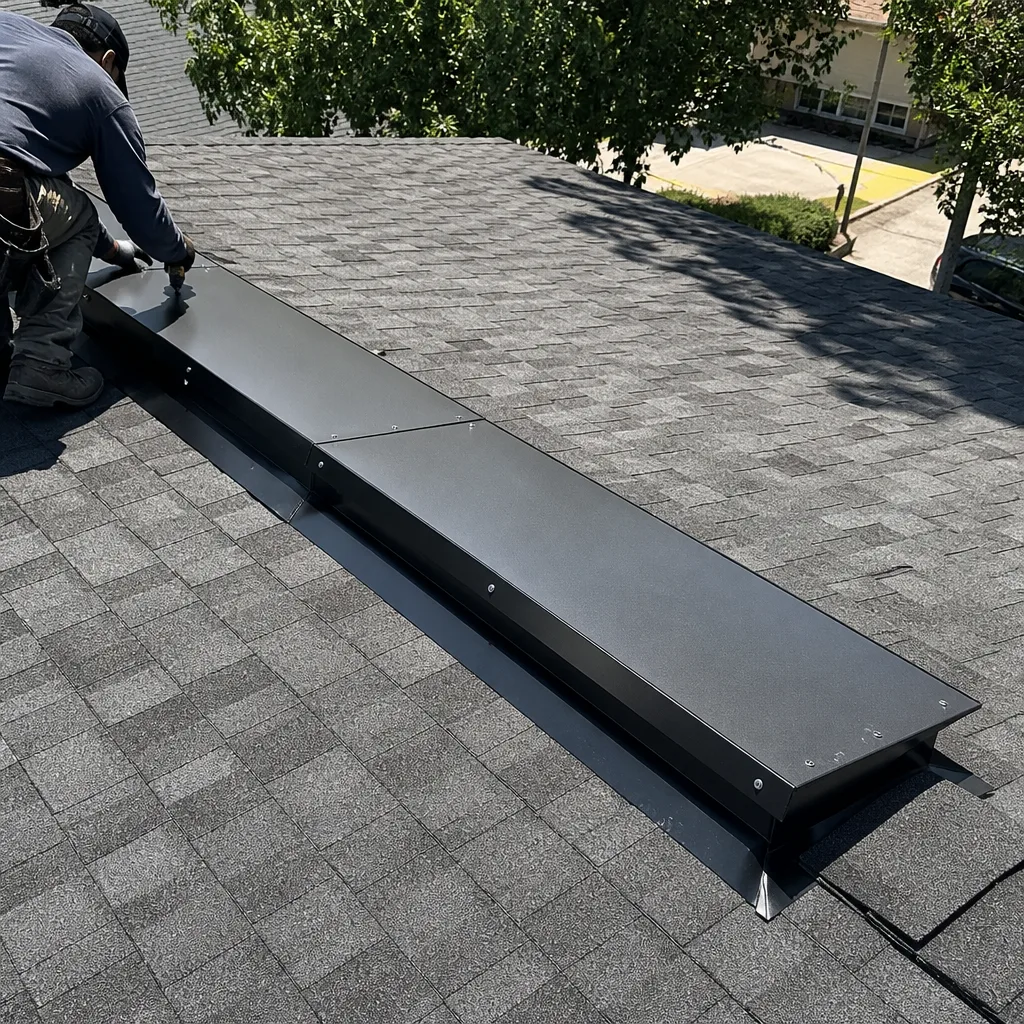 After