Last updated October 31, 2026
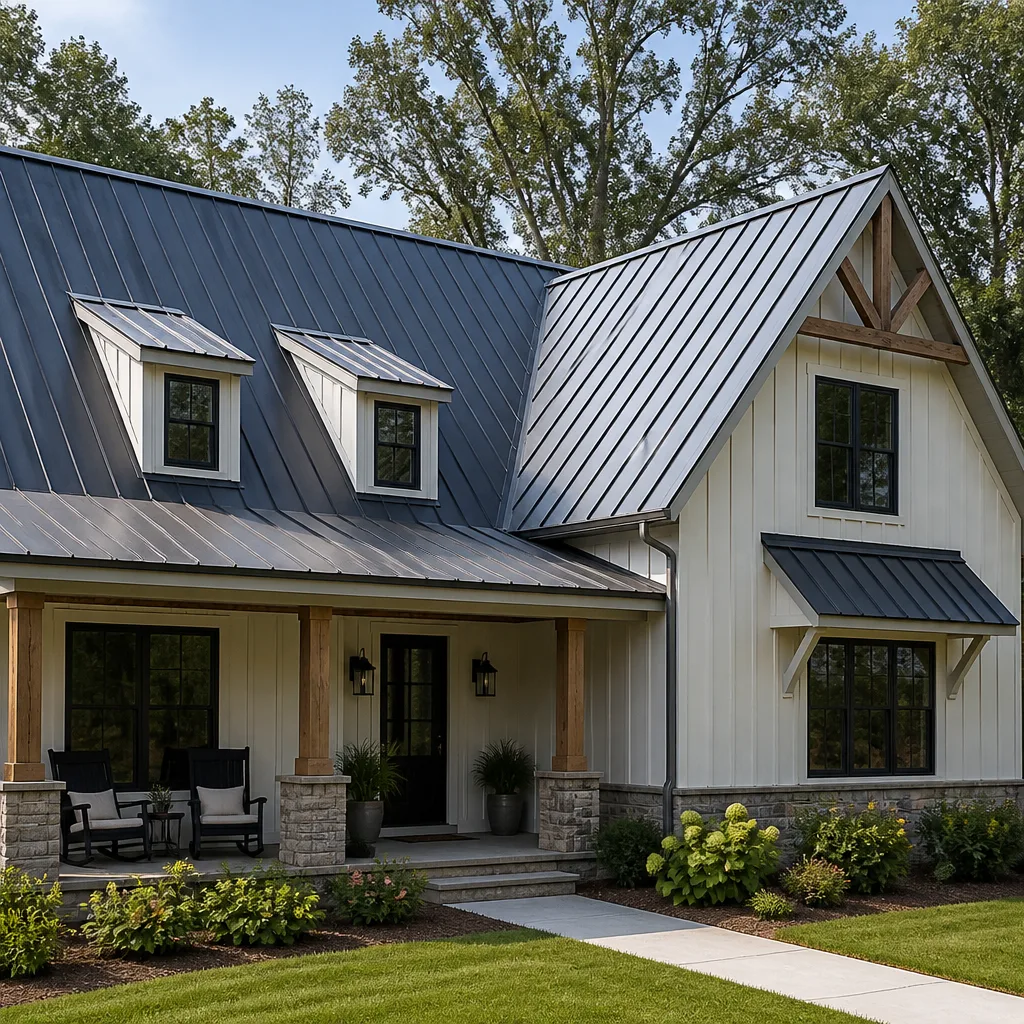 Metal roofing
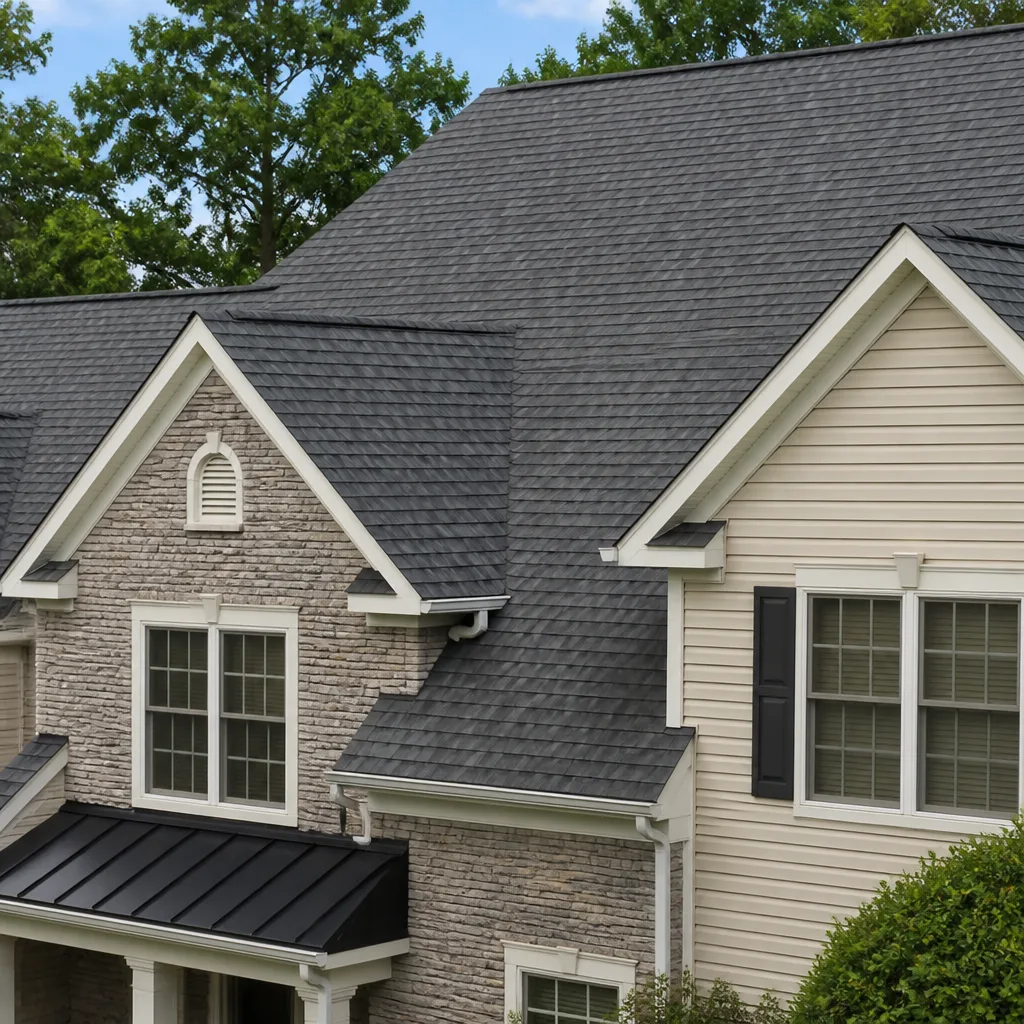 Architectural shingles
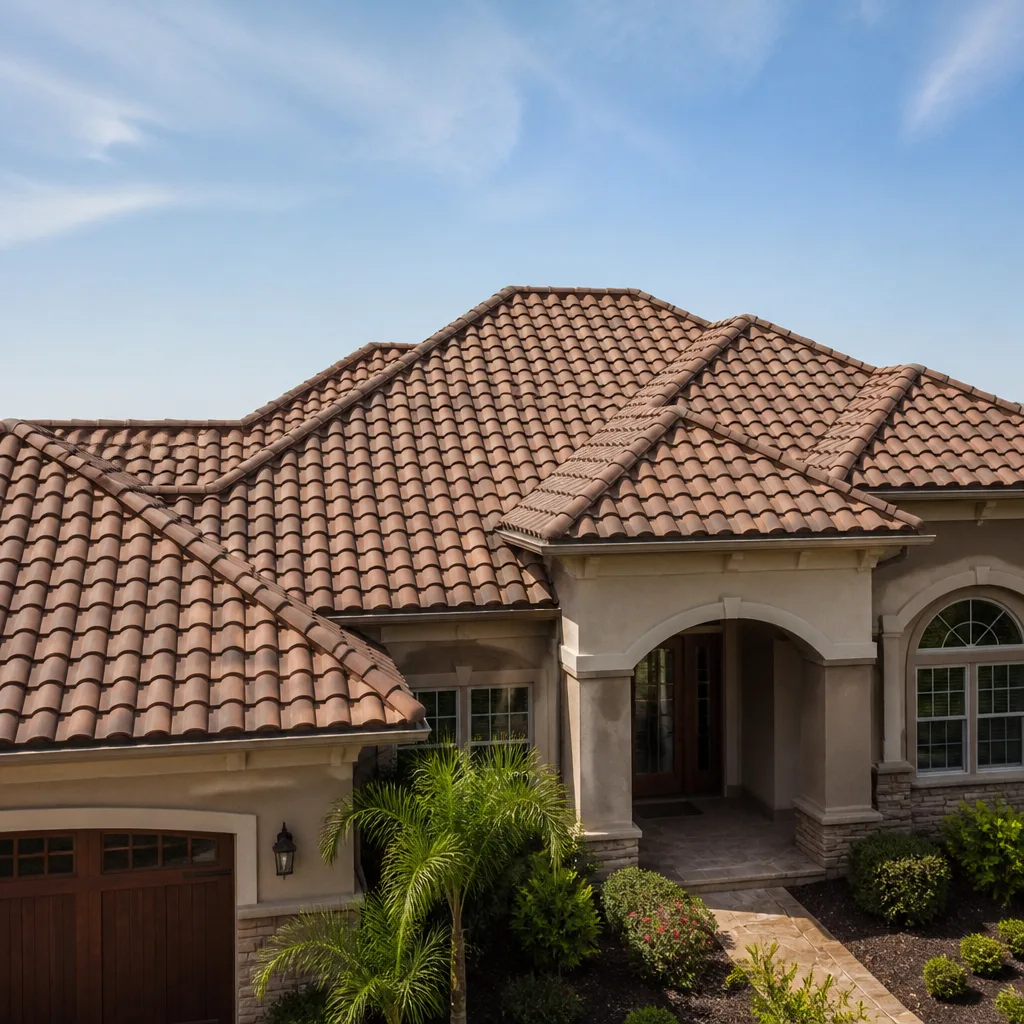 Tile roofing
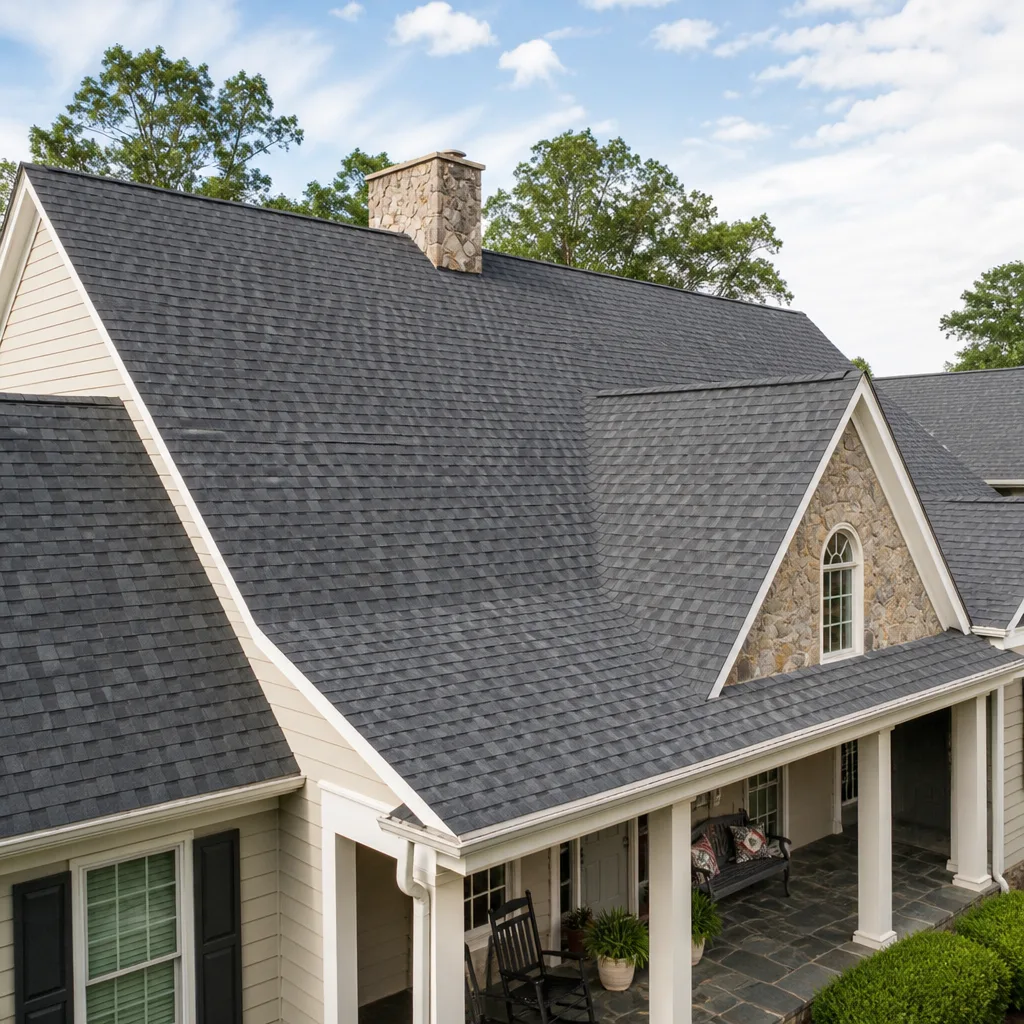 GAF
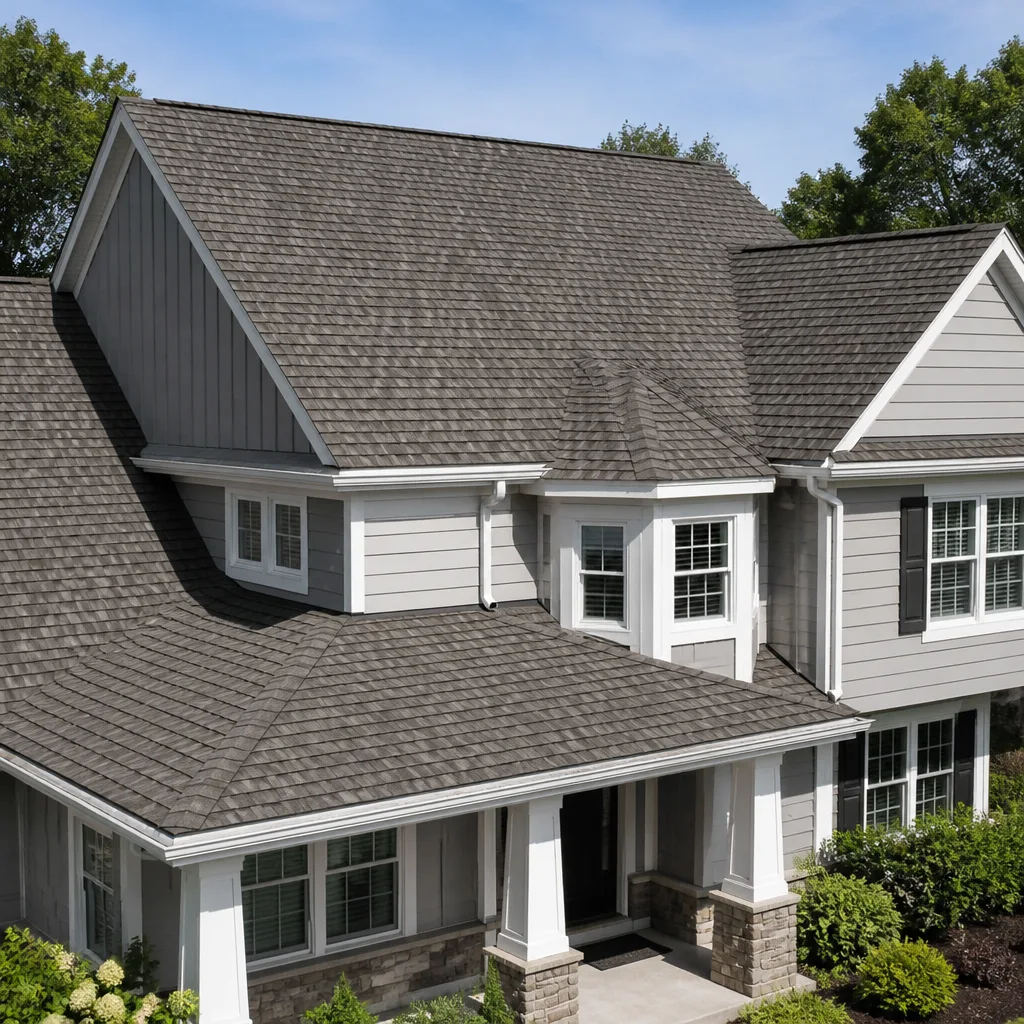 Owens Corning
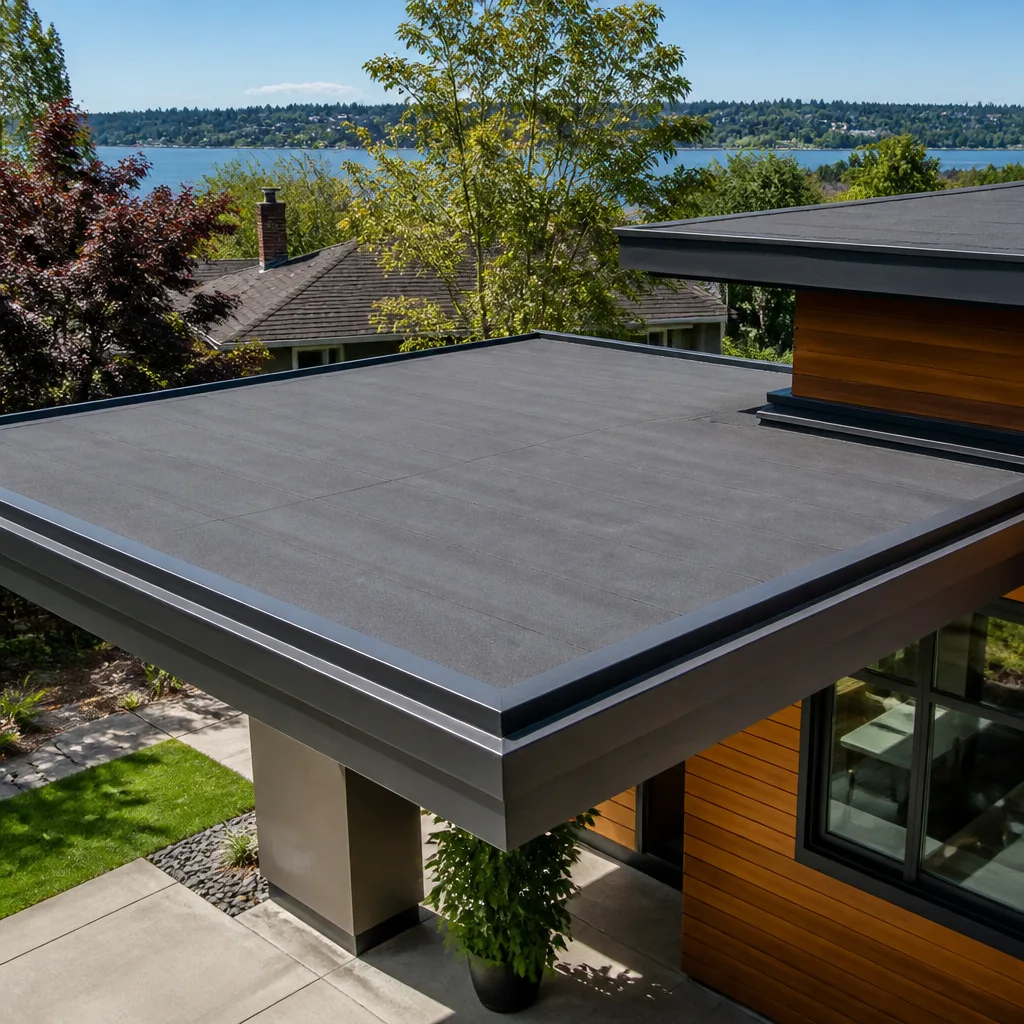 Flat & low-slope
Free roof inspection with deck photos before we talk money - GAF and Owens Corning certified installation
DIY vs Professional Roofing: The Burbank Homeowner’s Decision Guide
In Burbank, a roofing decision that looks like a simple money question is really a legal compliance question wearing a tool belt. The average homeowner researching shingle repair will watch three YouTube videos and conclude the job is manageable, but they rarely watch the video showing what happens when a Transfer Disclosure Statement reveals unpermitted work at closing. This guide walks through the actual decision framework: which specific repairs a homeowner can legally handle, which ones trigger permit and licensing requirements, what your insurance policy quietly says about it, and where a professional becomes the cheapest option by a wide margin.
Styles & brands we work with
Quick Answer
Most Burbank homeowners should hire a licensed roofing contractor for any repair beyond minor debris clearing or cosmetic tile replacement, because California disclosure laws, insurance policy exclusions, and hillside safety risks convert small DIY savings into large financial liabilities. For a detailed walkthrough, see our How to Hire a Roofing Contractor in Burbank: A Step-by-Step Guide. If the work touches the roof’s waterproofing layer, requires a permit, or puts you on a ladder above one story, call a professional before you pick up a hammer.
Table of Contents
- What Burbank Homeowners Can Legally DIY
- When Burbank Code Requires a Permit and a Licensed Contractor
- What Your HO-3 Policy Actually Says About DIY Roofing
- The True Cost of a Failed DIY Roof Repair
- Burbank’s Hillside Advantage and Its Fall-Risk Math
- How to Think About Material Selection Without Getting Overwhelmed
- A Honest Template for Your Decision
- Common Mistakes to Avoid
- When to Call a Professional
- Frequently Asked Questions
- The Bottom Line
What Burbank Homeowners Can Legally DIY
California building code draws a bright line between cosmetic maintenance and waterproofing work. Homeowners may perform minor repairs on their own residence without a contractor’s license, but the moment the work affects the roof’s ability to shed water, the city of Burbank’s permit requirements kick in. This distinction matters because it is not a matter of skill level. It is a matter of legal exposure. We have walked onto Burbank properties after a homeowner performed a “small repair” that involved peeling back three courses of shingles to reach a leak, and discovered the repair was outside the exemption entirely. The homeowner had created a discloseable defect without knowing it.
Here are the repairs a Burbank homeowner can generally perform without a permit or license:
- Clearing debris from roof valleys and gutters. Leaves, pine needles, and dirt accumulate in Burbank’s foothill neighborhoods and block drainage. Removing them by hand or with a leaf blower is maintenance, not construction.
- Replacing a small number of cracked or broken tiles. If the underlayment beneath the tile is intact and you are swapping like-for-like tiles without disturbing the roof’s water barrier, this falls under minor repair in most cases. Limit is typically a handful of tiles, not an entire slope.
- Re-sealing flashing around vents or chimneys with approved sealant. A homeowner may apply sealant to existing flashing joints. The moment you remove the flashing, you have stepped into regulated territory.
- Removing moss or algae with a soft brush and water. Burbank’s damp winter months encourage growth on north-facing slopes. Cosmetic cleaning is fine.
The common thread: none of these tasks require you to expose, replace, or alter the roof’s waterproofing layer. That layer, called the underlayment, is the boundary between what you own and what the city regulates. Cross it, and the legal character of the work changes.
When Burbank Code Requires a Permit and a Licensed Contractor
Burbank enforces the California Building Code through its Building Division, and any roofing work that replaces more than a minor area of the roof’s covering triggers a re-roofing permit. The threshold is generally interpreted as replacing more than 10% of the roof surface or any repair that requires removal of the underlayment. Once a permit is required, the work must be performed by a contractor holding a valid California C-39 roofing license. A homeowner may not pull a building permit for roofing work and then perform the labor themselves and expect the work to pass inspection. The city requires licensed, insured tradespeople on permitted roofing jobs.
Tasks that require a permit and a licensed contractor in Burbank:
- Any repair involving removal or replacement of roof underlayment. This includes tearing off shingles or tiles down to the deck, repairing decking, and installing new felt or synthetic underlayment.
- Full or partial re-roofing exceeding 10% of the roof area. A full replacement obviously qualifies. So does replacing a large damaged section from a fallen tree limb or a Santa Ana wind event.
- Structural repairs to rafters, trusses, or roof decking. If the repair touches framing, it is structural work and requires engineering review in many cases.
- Installation of new skylights or roof penetrations. Cutting a hole in your roof and flashing it correctly is a code-governed activity.
- Any work in a Very High Fire Hazard Severity Zone (VHFHSZ) that changes roof covering materials. Large portions of Burbank’s hillside neighborhoods fall into VHFHSZ designations, and the city has specific ignition-resistant construction requirements for roofing in those zones. Material substitutions must comply with Chapter 7A of the California Building Code.
We have helped Burbank homeowners fix permitting problems after the fact, and the sequence is almost always the same. A homeowner performs unpermitted work, sells the house years later, and a sharp buyer’s inspector spots the mismatch between the roof’s visible condition and the city’s permit history. The seller then faces a choice: reduce the price, or pull a retroactive permit and pay a contractor to tear out and redo the work. Neither option is cheaper than doing it correctly the first time.
The disclosure rule is not a gray area. California Civil Code requires sellers to disclose all known material facts about the property, including unpermitted work. A Burbank homeowner who patches a roof leak without a permit and then sells the house without disclosing that work has created a legal liability that follows them for years. This is not theoretical. We have spoken with homeowners who learned this lesson during escrow, and it is the single most preventable roofing mistake in Burbank.
What Your HO-3 Policy Actually Says About DIY Roofing
Most Burbank homeowners carry an HO-3 policy, the standard special form homeowners insurance. Buried in the exclusions section is language that matters more than any YouTube tutorial. The policy excludes coverage for “faulty, inadequate, or defective workmanship, construction, or repair” performed by anyone, including the homeowner. Here is the practical translation: if you repair your roof yourself, and that repair fails, and water damages your interior, the insurance company can deny the resulting damage claim. Not just the roof repair. The ceiling, the drywall, the wood flooring, the contents. All of it.
This exclusion is not commonly understood. Homeowners assume insurance exists for exactly this scenario. But the policy is designed to cover sudden and accidental damage, not the consequences of non-professional installation. An HO-3 policy will typically cover water damage from a storm that blew shingles off. It will not cover water damage traced to a repair you performed incorrectly, even if the leak began during a storm. The distinction is whether the damage-causing event was the storm or the failed repair.
There is also a roof payment schedule in many California policies that reduces the payout for older roofs based on age. If the roof is 15 years old and damaged, the claim may pay actual cash value rather than replacement cost. A homeowner who has performed their own repairs over the years often lacks documentation that professional maintenance was done. Claims adjusters notice. We have seen Burbank homeowners receive claim denials because the adjuster identified unpermitted work during the claim inspection, and the denial cited the workmanship exclusion directly. The homeowner was then responsible for both the roof repair and the interior damage. The insurance premium savings never materialized.
Before you attempt any roof repair, call your insurance agent and ask this exact question: “If I perform this repair myself and it later fails and causes interior damage, is that damage covered under my policy?” Get the answer in writing. Most homeowners skip this step, and the ones who do not often decide the DIY route is not worth the residual risk. Insurance is the hidden player in the DIY roofing calculation, and in Burbank it rarely comes down on the side of the ambitious amateur.
The True Cost of a Failed DIY Roof Repair
The most expensive sentence in home improvement is “I’ll just patch it myself.” In Burbank, we see the compounding cost curve of failed DIY repairs often enough to describe it precisely. The pattern works like this: a homeowner notices a small leak or a missing shingle after a winter rain. They buy a tube of roofing cement and a replacement shingle from the hardware store, climb the ladder, and make their best fix. Six months later, during the next heavy rain, the leak returns. Now the water has been traveling along the roofline for months, and the damage includes decking rot, a damp insulation cavity, and in some cases mold remediation. The repair that might have cost $400 professionally has become a $4,000 remediation.
Here is a realistic Burbank cost sequence for a failed DIY patch, based on what we have documented in the field:
- Initial DIY attempt: $60 to $120 in materials, four to six hours of labor, and significant uncertainty about whether the repair actually works.
- Recurring leak discovery: typically 3 to 9 months later, during the first heavy storm cycle.
- Professional assessment of the resulting damage: $200 to $400 for a diagnostic inspection, which in Burbank often requires an infrared scan or a moisture meter reading to trace water migration.
- Decking replacement if rot has set in: $800 to $2,000 per affected section, depending on the extent. Burbank’s flat and low-slope roofs common in mid-century neighborhoods are particularly prone to hidden decking damage because water pools and penetrates slowly.
- Interior drywall and paint remediation: $500 to $1,500 if the ceiling shows staining or sagging.
- Mold remediation if moisture sat long enough: $1,500 to $6,000, and this is the number that turns an inconvenience into a serious claim.
A professional repair at the first sign of the leak would have started at around $300 to $500 for a targeted fix, with a warranty on the work. The math is not close. The DIY route saved maybe $200 in year one and cost between $3,000 and $8,000 within two years. In our experience, the homeowners most attracted to DIY roofing are the same homeowners least prepared to absorb a surprise $5,000 remediation bill. That is the paradox. The cost savings argument for DIY roofing assumes the repair succeeds. The reality is that roofing leaks are not intuitive, water migrates unpredictably, and the difference between a sealed repair and a delayed failure is invisible to the untrained eye.
At Marquis Roof Repair, our Roof Repair in Burbank service exists precisely because repair is a diagnostic discipline before it is a construction task. The first hour of our work is spent finding where the water is actually entering, and that location is rarely where the stain appears on the ceiling. A homeowner standing in the attic with a flashlight is usually looking at the exit wound, not the entry point.
Burbank’s Hillside Advantage and Its Fall-Risk Math
Burbank’s hillside neighborhoods, the Verdugo foothills above Glenoaks and the streets climbing toward the mountains, are among the most desirable addresses in the city. They also present a roofing risk profile that flattens the DIY calculation. Roofs on hillside lots often sit on steeper pitches, with drop-offs on one or more sides. A two-story home on a flat lot has a manageable roof height. The same two-story home on a Burbank hillside can have a 30-foot drop from the eave to the downslope side. A fall from that height on a 7/12 pitch is frequently fatal.
The occupational safety data is unambiguous. The CDC and OSHA have repeatedly ranked roofing among the highest-risk construction trades for fatal falls, and falls from roofs consistently appear among the top causes of residential deaths in California. The rate is stark. Roofing work carries a fatal injury rate roughly 10 times the construction average. When you add Burbank’s hillside geometry, residential roofs are steeper, access is harder, and the consequence of a misstep is higher. The homeowners we meet do not generally have fall protection harnesses, anchor points, or training in ladder safety. They have a ladder from Costco and a reasonable sense of balance.
Here is the liability math that matters. If you fall from your roof and are seriously injured, your health insurance covers the medical bills, but the lost work time, the disability, the long-term rehabilitation, those are your problem. If you hire a friend or a handyman to help, and they fall, you may be legally liable for their injuries. California workers’ compensation law does not protect an unlicensed worker on your property the way it protects a contractor’s employees. A homeowner who asks a neighbor to help with a roof repair is exposing themselves to a premises liability claim. A licensed Burbank roofing contractor carries workers’ compensation insurance, and that insurance, not your homeowner’s policy, covers injuries on the job.
We will say it plainly. The fall-risk argument alone is enough to disqualify most DIY roofing projects in Burbank. Not because homeowners lack intelligence or competence. Because roofing safety is a professional skill that includes harness systems, roof brackets, and an eye for the specific failure points on pitched surfaces. Saving a few hundred dollars is not worth a life-altering fall, and the hillside homes that make Burbank beautiful are the ones where the risk is highest.
How to Think About Material Selection Without Getting Overwhelmed
If you have decided to hire a professional for a Burbank roofing repair or replacement, you now face a different kind of paralysis: material selection. The market is crowded. Every contractor has a brand they prefer, and the reasons are usually commercial rather than technical. A roofer certified by one manufacturer will recommend that manufacturer. It is not a conspiracy, it is convenience. The problem is that convenience is not the same as fit. A Burbank homeowner in a hillside VHFHSZ zone has different material requirements than a homeowner in a flatland bungalow near the Chandler Bike Path.
Marquis Roof Repair carries authorized installer relationships with seven major manufacturers, including GAF, CertainTeed, Owens Corning, and IKO, among others. We mention this not as a credential, but because it changes how we give advice. We are not trying to fit your roof into a single brand’s product line. We are trying to find the right material for your roof, your climate, your budget, and your home’s architecture. That is a different conversation. A certain asphalt shingle line from CertainTeed might be ideal for a Magnolia Park bungalow, while a Tile roof in the hills above Brace Canyon may call for a different product entirely. The point is that our recommendation is driven by your roof, not by which brand is in stock that week.
This matters in Burbank specifically because the city is a patchwork of architectural styles and microclimates. A mid-century ranch near the Burbank Airport has different wind exposure than a 1920s Spanish Revival near the Equestrian Center, which has different material traditions than a modern build on a hillside lot. A contractor who only installs one brand of shingle will apply that brand to all three homes. A homeowner who understands the difference asks better questions. The material conversation should start with these three questions: What is the roof’s current condition and remaining life? What is the architectural character of the home? What does the insurance policy require for the neighborhood and zone? Answer those first. Then talk about brands.
For a deeper look at full material decisions, our Roof Replacement in Burbank page walks through the full lifecycle planning that a replacement project requires.
A Honest Template for Your Decision
If you are standing in your driveway looking up at your roof and trying to decide whether to climb up or call someone, use this framework and our Roof Repair Maintenance Checklist for Burbank Homeowners. We have distilled it from years of conversations with Burbank homeowners who were exactly where you are now.
- Identify what is actually wrong. Is this a leak, a visible missing shingle, a dark stain, or a general sense that the roof is aging? Write down the specific symptom. If you cannot articulate the specific problem, you need a diagnostic inspection, not a repair attempt. Roof Inspection in Burbank is a service we offer specifically for the “I am not sure what I am looking at” phase.
- Classify the repair. Is it cosmetic maintenance (clearing debris, replacing a few cracked tiles without touching underlayment) or waterproofing work (anything that exposes the underlayment or requires a permit)? The first category is DIY territory. The second is not.
- Check your insurance policy. Call your agent. Ask the exact question from earlier in this guide. Write down the answer.
- Honestly assess the fall risk. Is your roof one story on a flat lot, or two stories on a hillside? Are you comfortable on a ladder? Do you have safety equipment? If the answer to any of these is “no,” the decision is made.
- Run the cost comparison on a failed outcome. Add up the cost of a professional repair now versus the cost of a professional remediation later if your DIY fix fails. The second number is always higher.
- Check the permitting requirement. Call the Burbank Building Division or ask a licensed contractor whether your specific project requires a permit. Do not guess. The price of guessing wrong is a disclosure problem at resale.
- Decide, then commit fully. If you choose DIY, stay within the narrow band of genuinely exempt repairs, and document what you did with photos. If you choose professional, call a licensed Burbank roofing contractor and get a written estimate before work begins.
This template will not produce the right answer for every home, but it will eliminate the worst mistakes. The most common failure we see is not a bad patch job. It is a homeowner who skipped step one and started working on a symptom rather than the cause. That is how a simple flashing repair becomes a decking replacement.
Common Mistakes to Avoid
- Sealing over a leak without finding the water’s entry point. Roofing sealant applied to the visible stain on the ceiling below does nothing. Water travels along roof framing and underlayment, and the entry point is often 10 to 15 feet away from the visible wet spot. A Burbank homeowner treating the interior stain is treating the symptom, not the leak.
- Replacing shingles without replacing the underlayment beneath them. If the shingles are damaged, the underlayment often is too. Installing new shingles over compromised underlayment is a delayed failure. The roof looks fixed. It is not.
- Mixing mismatched tile or shingle profiles in a visible area. Burbank’s Spanish and Mediterranean homes carry a strong architectural character. A patch of matching-but-slightly-different tile on a front slope is visible from the street and affects curb appeal. We have seen beautiful Verdugo foothill homes lose charm to a DIY patch that stands out like a bandage.
- Using the wrong sealant. Not all roofing sealants are compatible with all materials. A silicone sealant applied to a Burbank tar-and-gravel roof will fail. Our repair crews carry material-specific sealants for a reason.
- Assuming homeowner insurance covers DIY repair failures. It generally does not, as covered in the section above. This is the most expensive assumption on this list.
- Ignoring the VHFHSZ material requirements in Burbank’s hillside zones. Replacing a section of roof covering with a non-compliant material in a fire hazard severity zone can fail inspection and invalidate insurance. The hillside burn-area history in Burbank makes this a real, enforced set of requirements.
- Skipping the permit because “it is just a small repair.” The size of the repair does not always determine the permit requirement. The type of work does. A small underlayment patch on a low-slope roof still triggers the same code provisions as a larger one.
When to Call a Professional
Call a professional roofing contractor if your repair involves any of the following: a persistent leak that has not responded to a straightforward fix, visible damage after a storm, sagging decking, missing or slipped tiles covering more than a small area, any work requiring a permit, or any project on a roof above one story on a hillside Burbank lot. If you are unsure whether your specific repair falls under the homeowner exemption, the call costs nothing and the answer may save you thousands. Marquis Roof Repair offers free estimates in Burbank, and our first conversation is often enough to classify the repair and give you a clear next step. Call (866) 705-2978 before you climb the ladder.
Frequently Asked Questions
No. A full roof replacement requires a building permit from the city of Burbank and must be performed by a licensed C-39 roofing contractor. A homeowner may perform minor repairs that fall under the maintenance exemption, but a full replacement is unequivocally outside the homeowner’s legal authority. We recommend a professional inspection before any major roof work to confirm the scope and permitting path.
You can generally clear debris from roof valleys and gutters, replace a small number of cracked tiles without disturbing the underlayment, re-seal existing flashing with approved sealant, and clean moss or algae. The moment the work exposes or alters the underlayment, replaces more than 10% of the roof covering, or touches structural framing, it requires a permit and a licensed contractor. Call (866) 705-2978 if you are unsure which category your repair falls into.
Most likely not. HO-3 policies in California exclude damage caused by faulty or defective workmanship, including work performed by the homeowner. If your DIY repair fails and water damages the interior, the insurance company can deny the claim for the resulting damage as well as the original repair. The workmanship exclusion is written into nearly every policy, and Burbank homeowners who have learned this through a denied claim can attest to the cost. Get the answer in writing from your agent before you start any DIY work.
Targeted repairs in Burbank typically range from $300 to $500 for a minor flashing or shingle fix, while larger repairs involving underlayment or decking can run from $1,000 to $3,000 or more depending on the roof’s size, slope, and material. The cost of a failed DIY patch that requires professional remediation often reaches $3,000 to $8,000, which makes the professional repair the cheaper option in nearly every realistic scenario. Call (866) 705-2978 for a written, line-item estimate on your specific repair.
If you are replacing a handful of shingles without exposing the underlayment and the total area is under 10% of the roof surface, you generally do not need a permit. If the repair requires lifting the underlayment or replacing a section of decking, you do. The distinction is whether the waterproofing layer is disturbed. When in doubt, call the Burbank Building Division or a licensed contractor before starting. Guessing wrong creates a disclosure problem when you sell.
Large portions of Burbank’s hillside neighborhoods sit inside Very High Fire Hazard Severity Zones, which triggers Chapter 7A of the California Building Code. That code requires ignition-resistant roof coverings and specific material standards designed to slow the spread of wildfire embers. A repair or replacement in one of these zones must use compliant materials, and the permit process enforces this. A contractor familiar with Burbank’s hillside requirements will handle this correctly from the first inspection to the final inspection.
Storm damage typically appears as missing shingles, impact marks from hail, or fresh water intrusion after a specific weather event. Aging damage is gradual: cracked tiles, curling shingles, granule loss, and discoloration that worsens over months. The distinction matters for insurance claims, because most policies cover sudden storm damage but exclude wear and tear. A professional inspection can identify the cause and document it for your claim. Marquis Roof Repair performs this diagnostic work regularly in Burbank, and our Marquis Roof Repair home services begin with an honest assessment of what we find.
The Bottom Line
The DIY versus professional roofing decision in Burbank is not a question of capability. It is a question of legal exposure, insurance language, and physical risk. The narrow band of genuinely safe, legal, and wise DIY roofing tasks is small: debris clearing, minor cosmetic tile replacement, and basic sealant application. Everything beyond that band crosses into permit territory, insurance exclusions, and fall-hazard math that does not favor the amateur. The Burbank homeowner who understands this will make the right call. From first inspection to final shingle, the standard is the same: do the work properly, document it, and keep the roof legally sound. For more guides & resources on protecting your Burbank home, explore our blog. If you are looking at your roof and deciding, start with a professional assessment. The call is free, and the information will save you money either way.
Written by the team at Marquis Roof Repair, serving Burbank since 2014.
See the difference
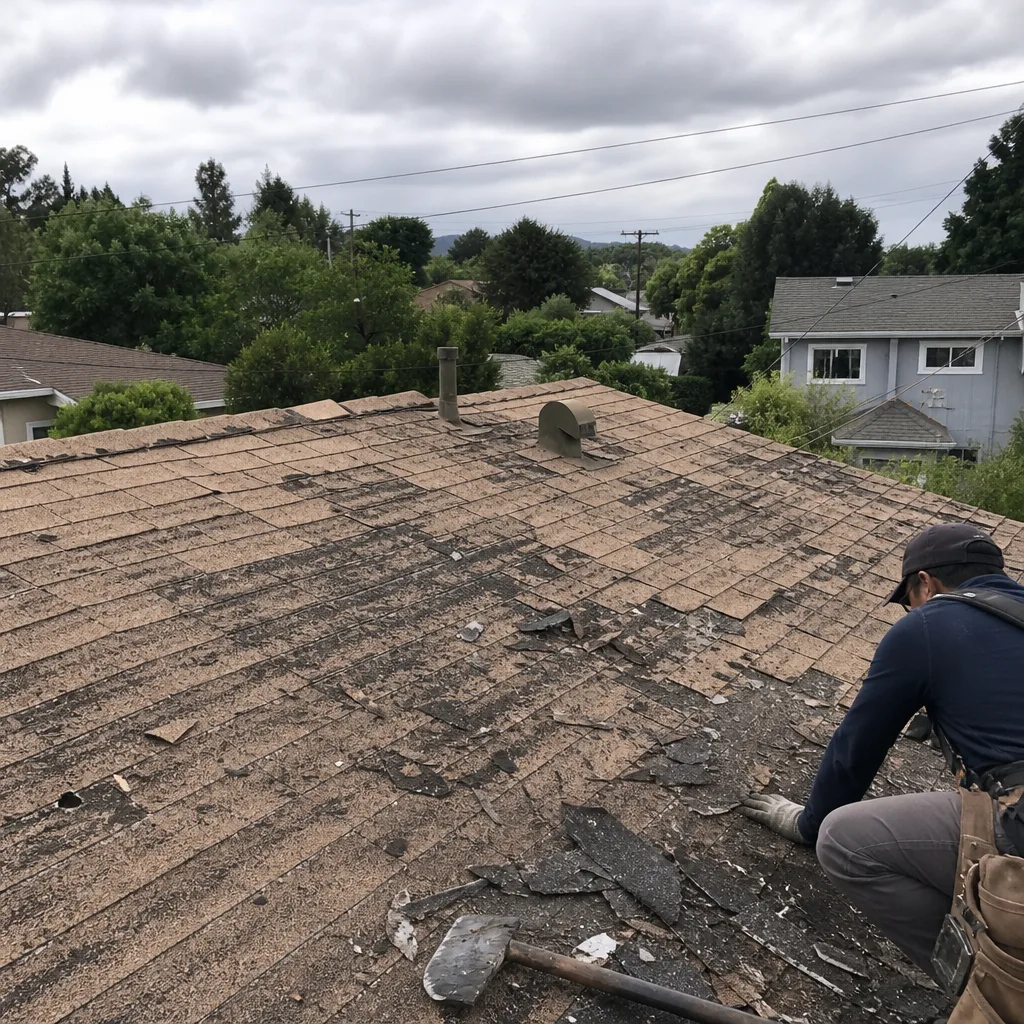 Before
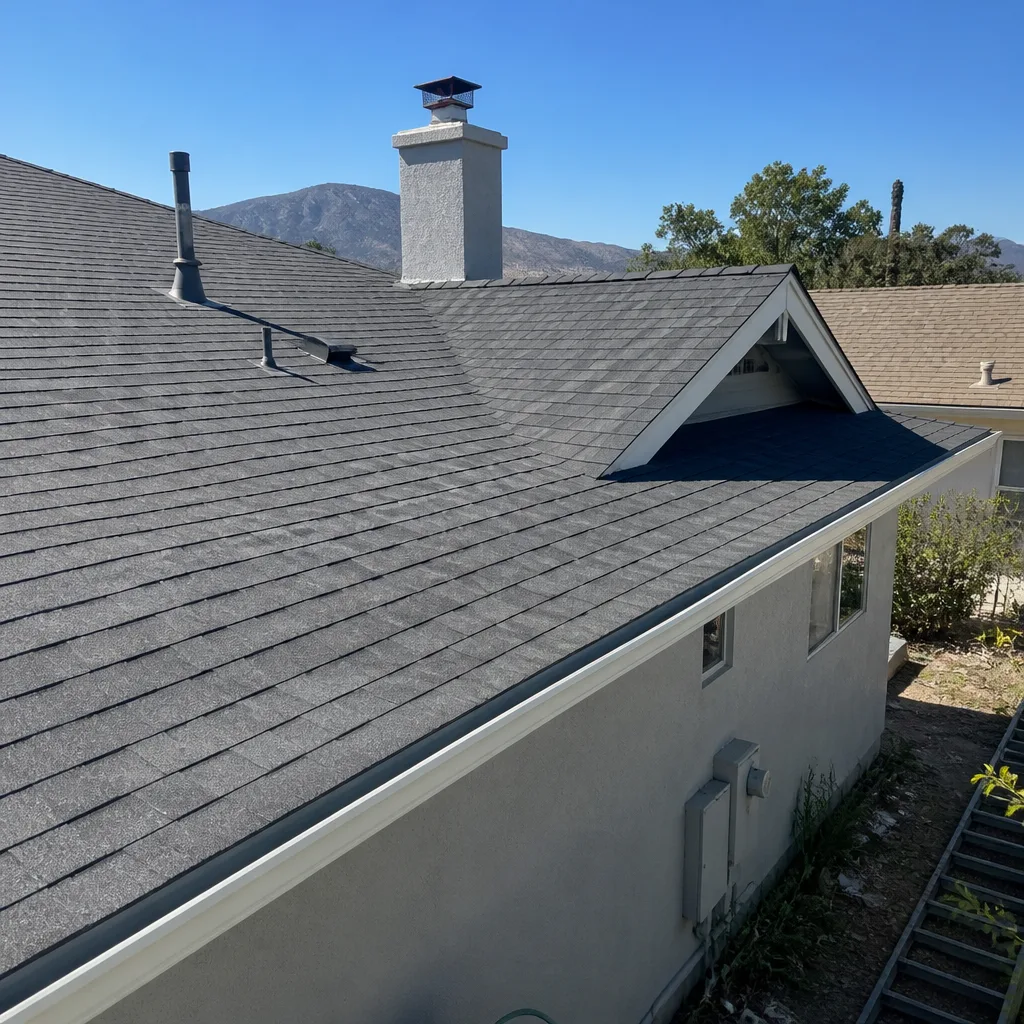 After
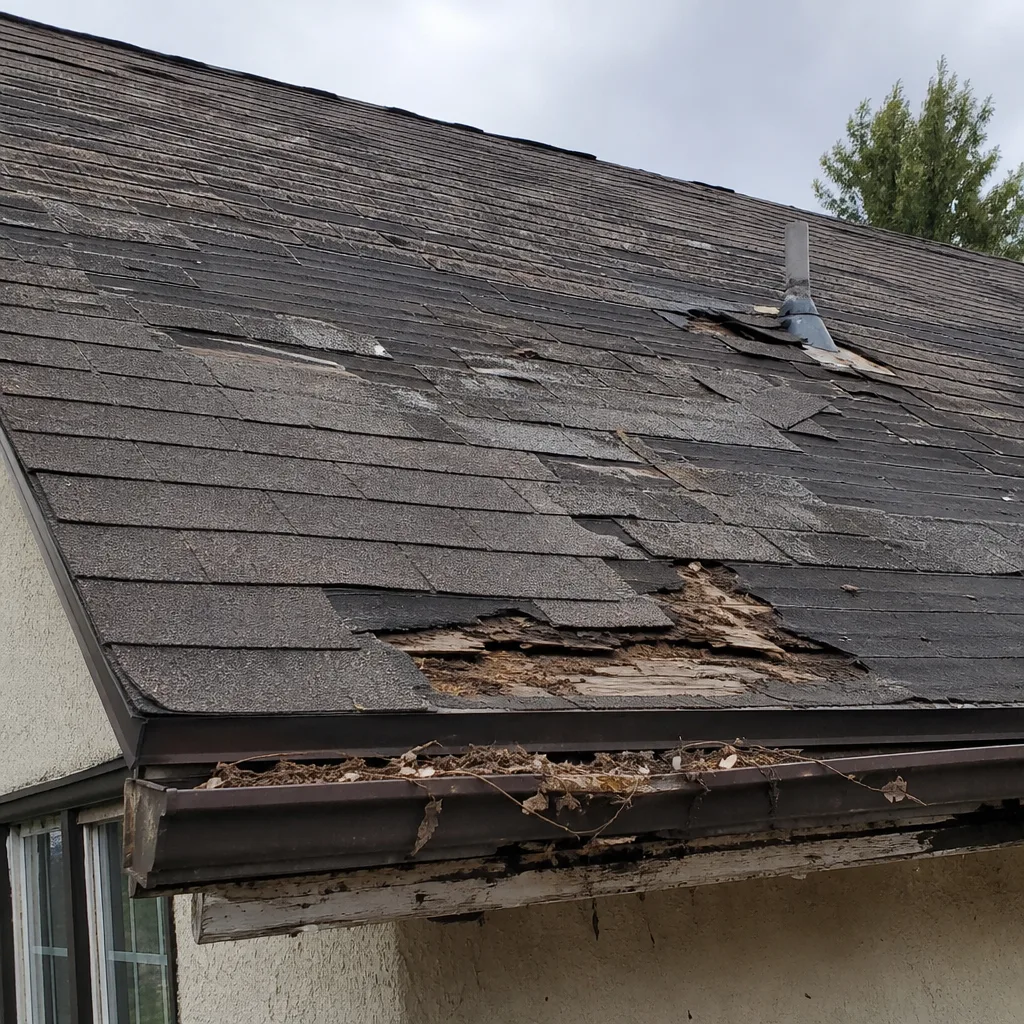 Before
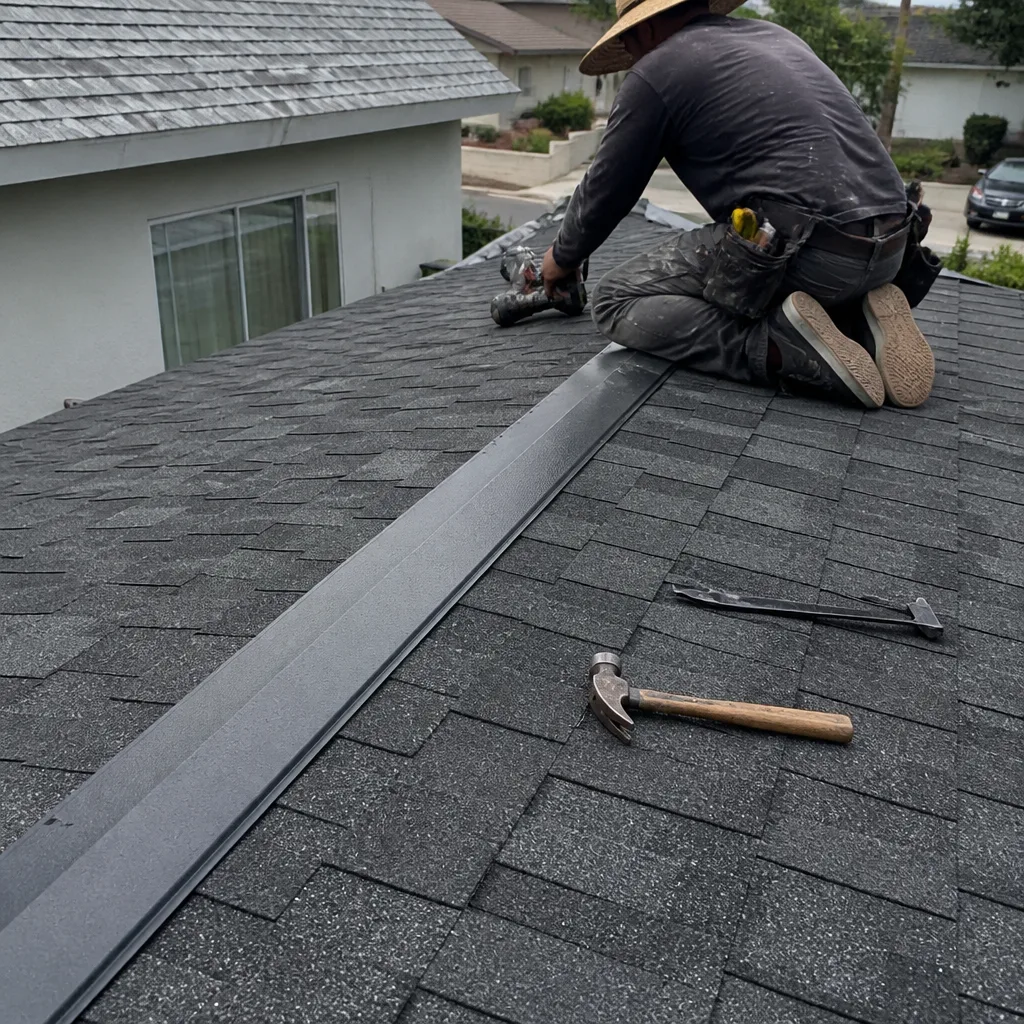 After
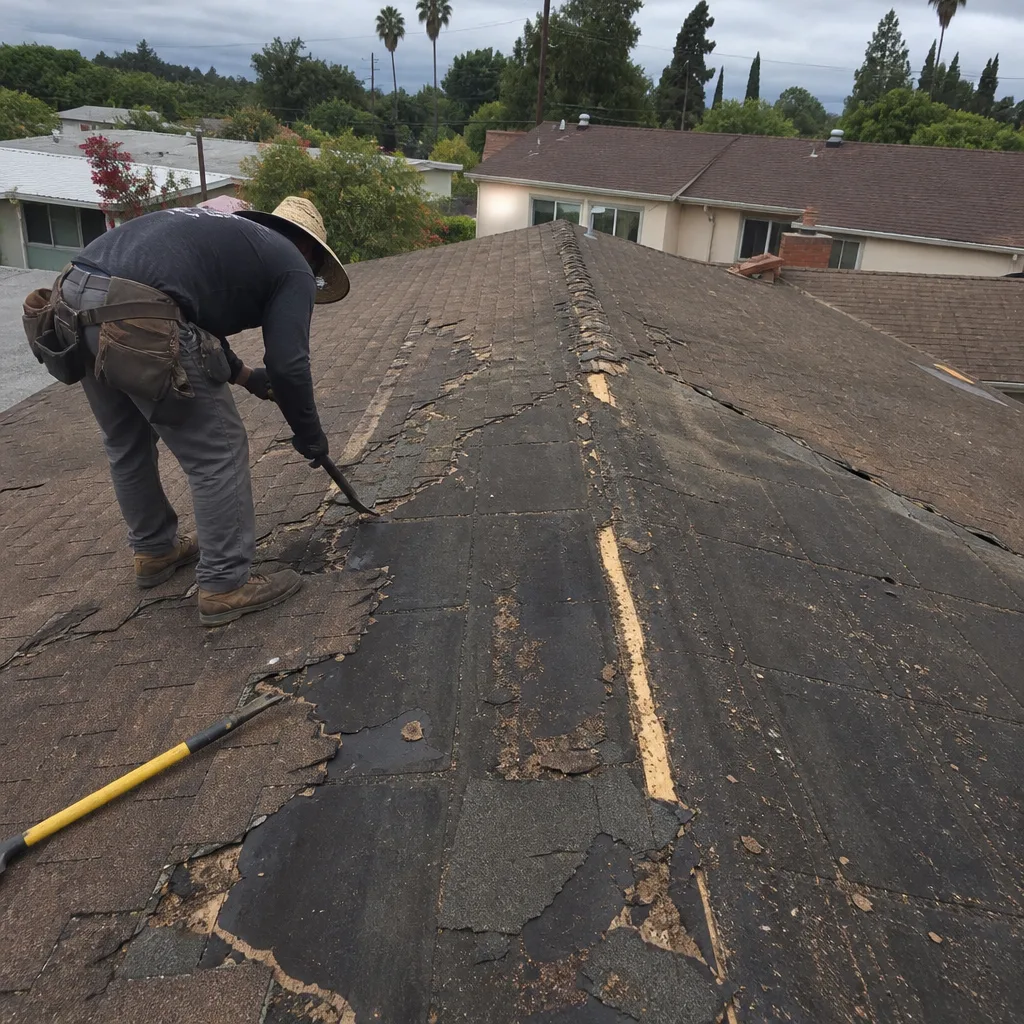 Before
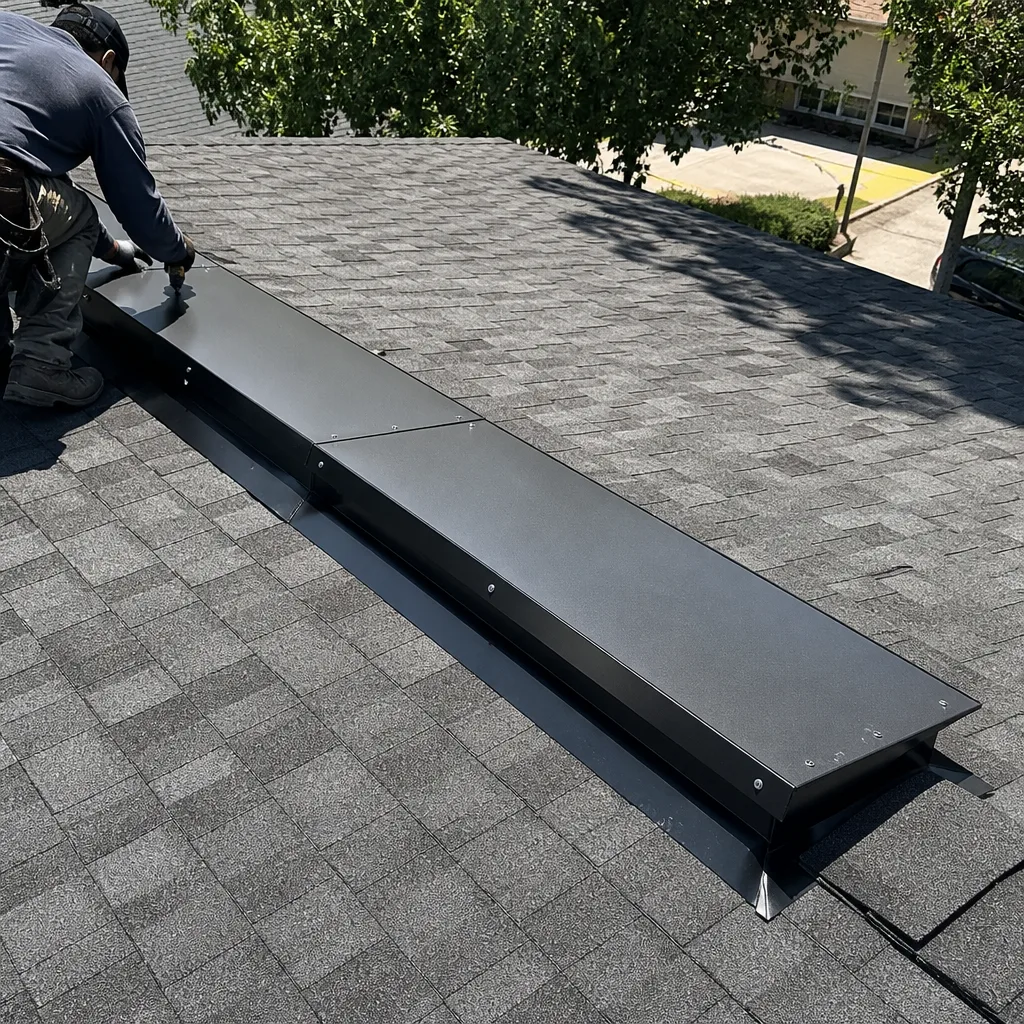 After