Last updated October 31, 2026
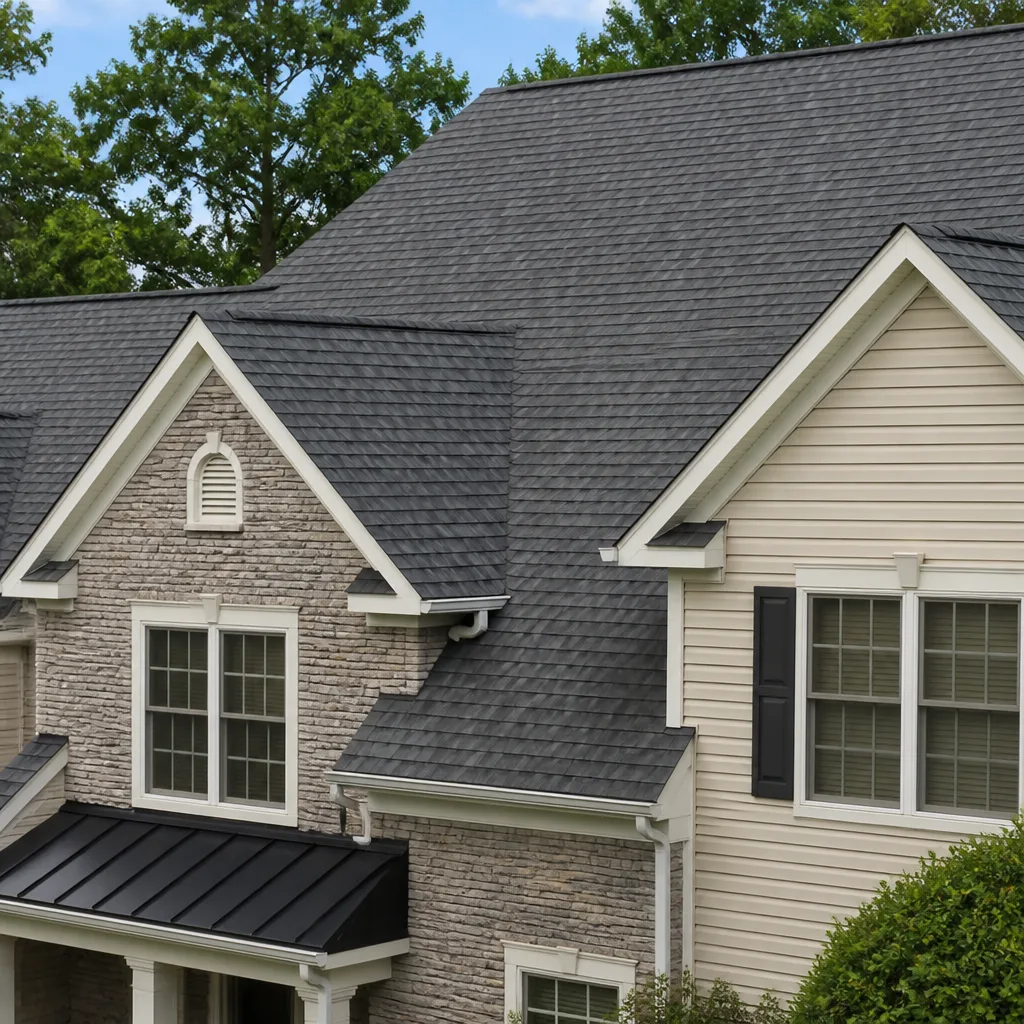 Architectural shingles
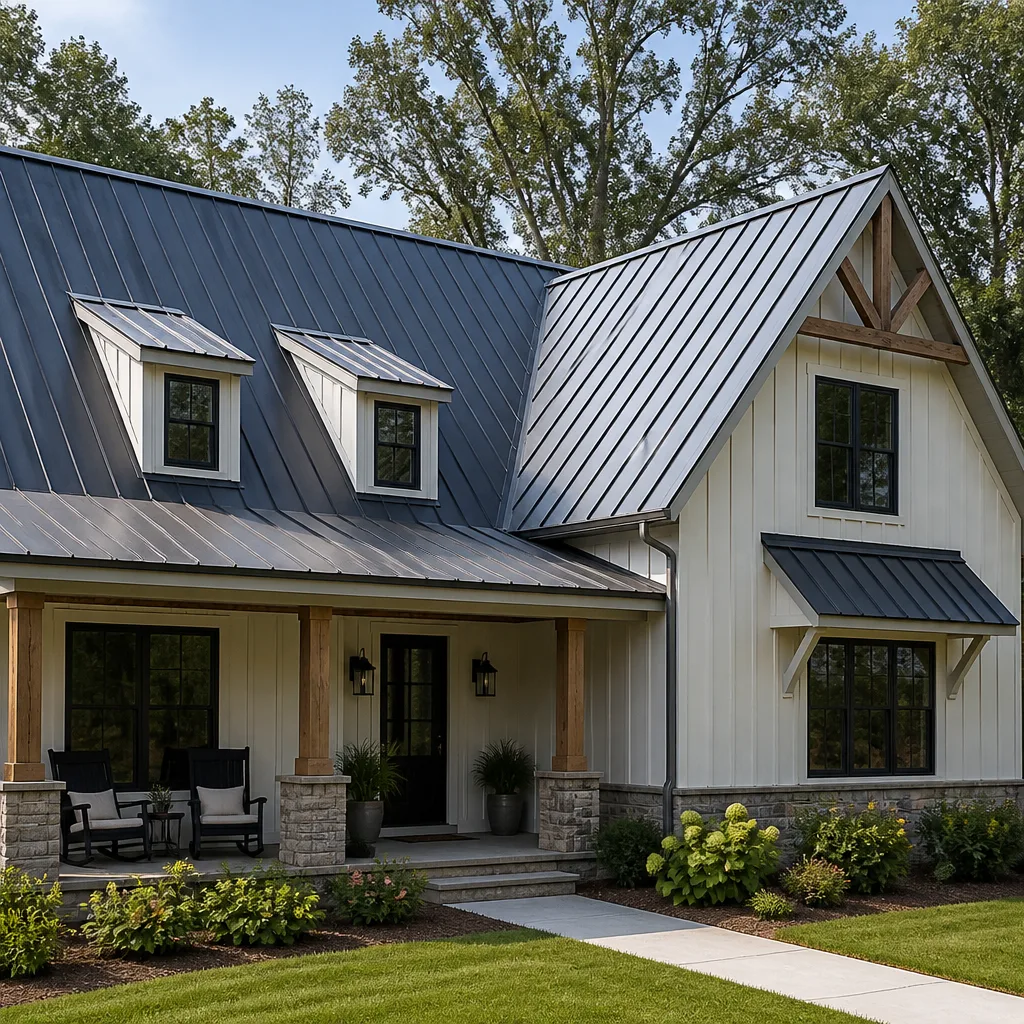 Metal roofing
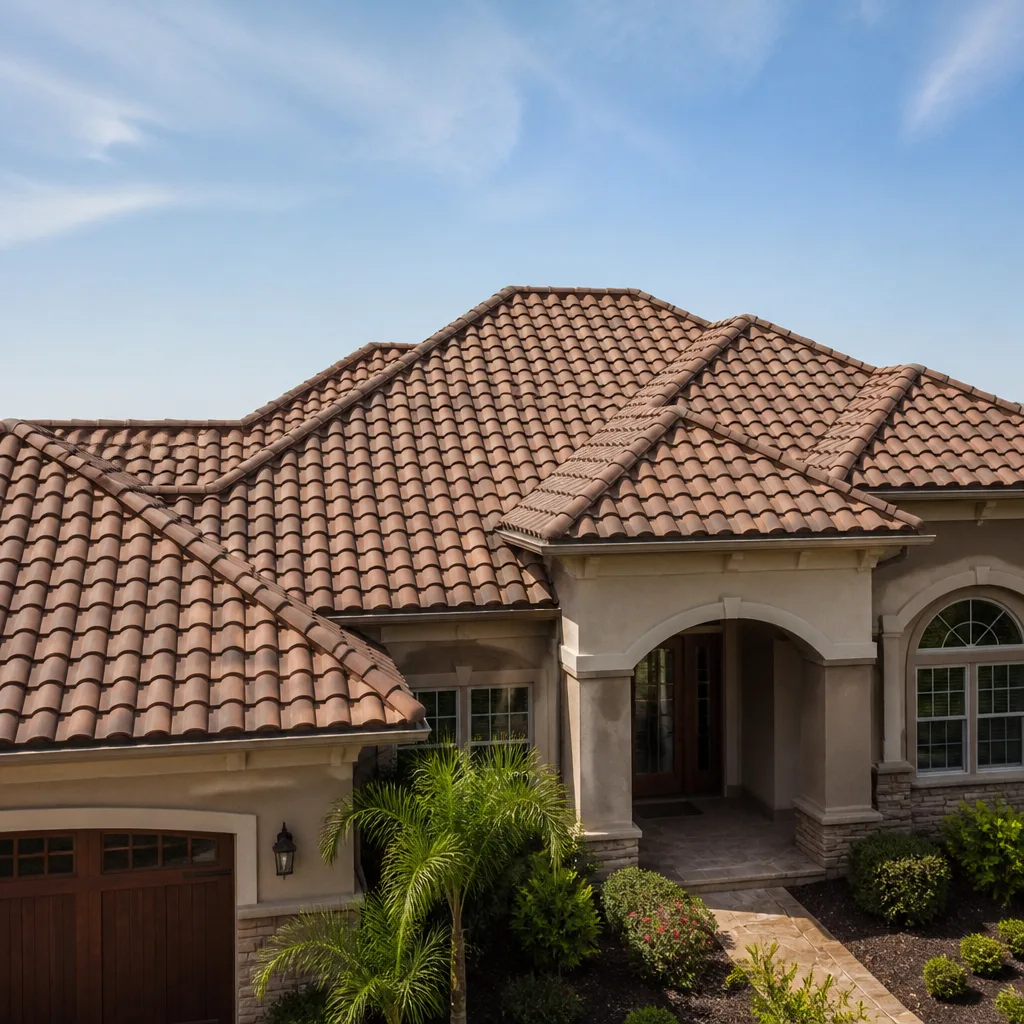 Tile roofing
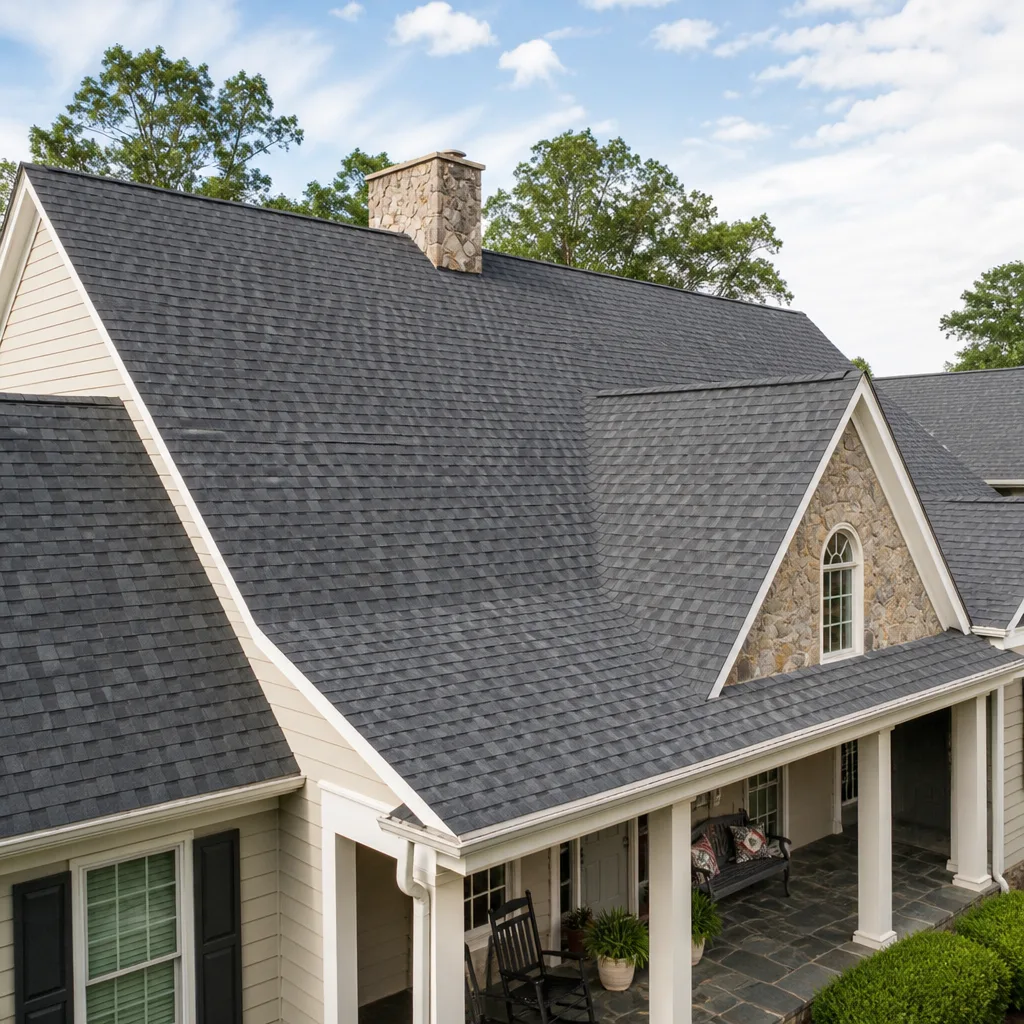 GAF
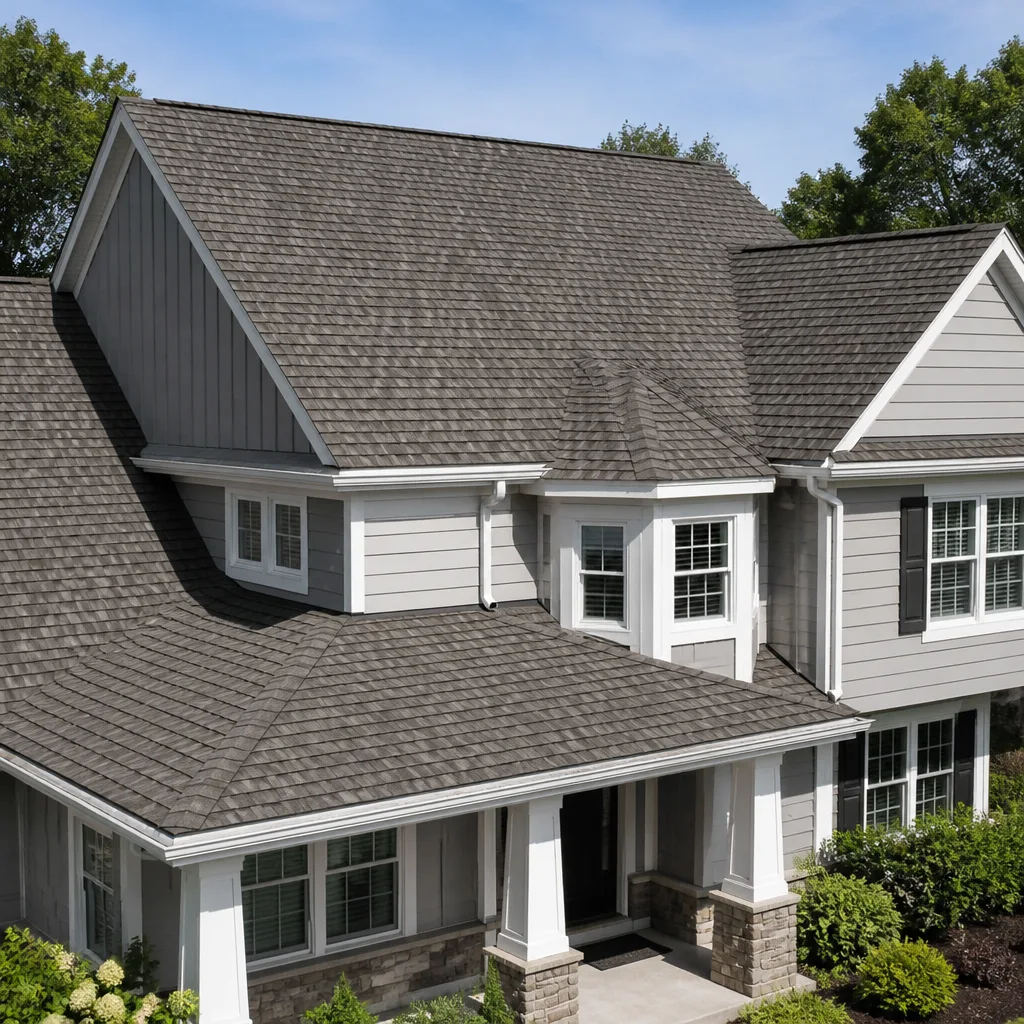 Owens Corning
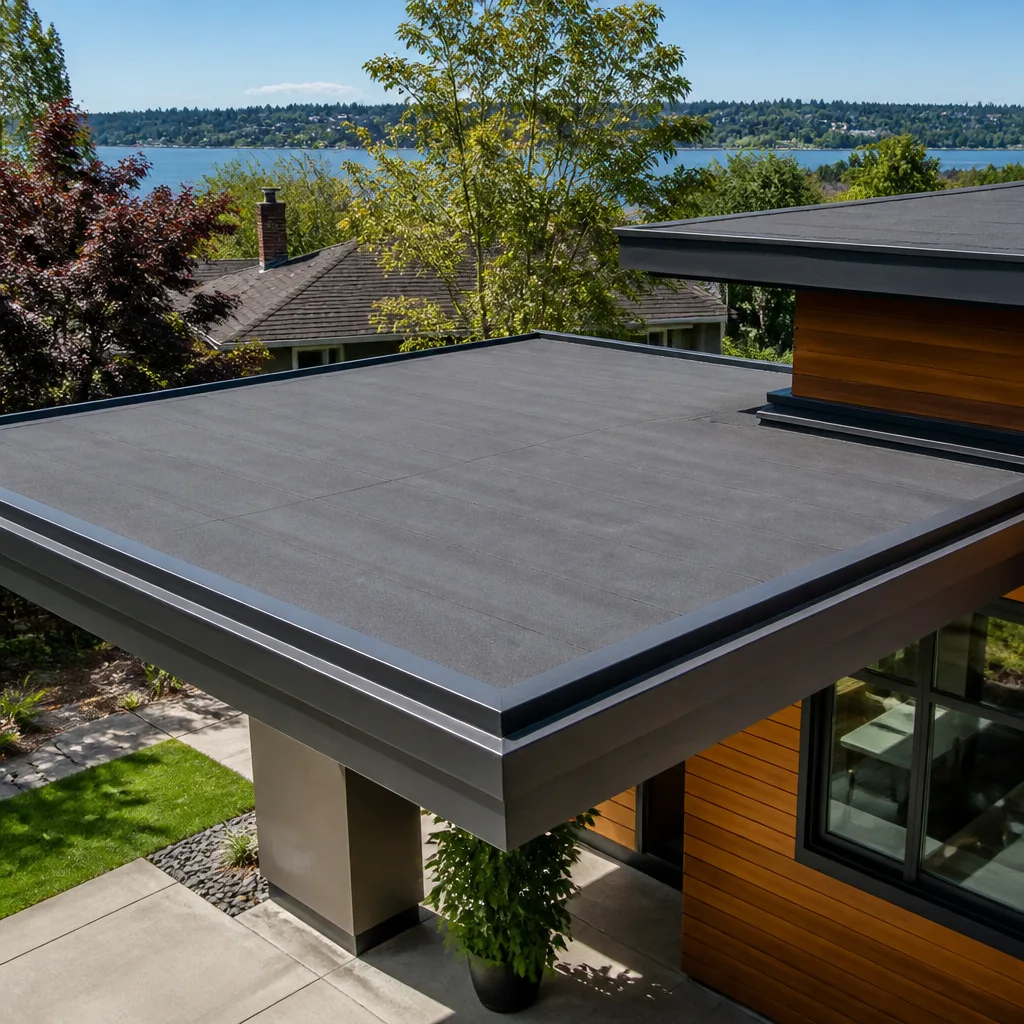 Flat & low-slope
Free roof inspection with deck photos before we talk money - GAF and Owens Corning certified installation
The Complete Roof Repair Guide for Burbank Homeowners
Burbank averages 284 sunny days a year, and that sunshine is quietly dismantling your roof. UV degradation, not rain, is the number-one cause of premature roof failure in the San Fernando Valley. Most Burbank homeowners don’t discover the damage until a Santa Ana wind event rips a loose shingle free or the first winter downpour finds the crack that’s been forming for three summers. This guide maps the specific failure sequence Burbank roofs follow, shows you how to read your own roof’s position on that timeline, and tells you exactly what to do about it before a small repair becomes a full replacement.
Styles & brands we work with
Quick Answer
Our Roof Repair services in Burbank start with an honest inspection to identify the failure point, not a sales pitch for replacement. Most Burbank roof damage comes from UV-driven granule loss and Santa Ana wind stress, which creates specific repair patterns that are predictable and fixable. The right approach is to match your repair materials to your home’s original construction era, pull permits when local code requires them, and schedule inspections around the Santa Ana season (September through January) and the brief winter rainy period.
Table of Contents
- How UV Degradation Creates Burbank’s Predictable Roof Failure Timeline
- The Santa Ana Effect: Wind Damage That Hides From the Ground
- Burbank Permit Rules for Roof Repair: What Actually Requires a Permit
- Matching Repair Materials to Your Home’s Construction Era
- The Inspection Schedule That Fits Burbank’s Actual Weather Pattern
- Repair vs. Replacement: How to Know Which One You Need
- What Roof Repairs Cost in Burbank
- Common Mistakes to Avoid
- When to Call a Professional
- Frequently Asked Questions
- The Bottom Line
How UV Degradation Creates Burbank’s Predictable Roof Failure Timeline
Asphalt shingles are engineered with a protective layer of mineral granules that shields the asphalt core from ultraviolet radiation. In Burbank, those granules take a beating. The San Fernando Valley sees some of the most intense and sustained sun exposure in Los Angeles County, which means granule loss happens faster here than in coastal communities just 20 miles away. The timeline is consistent enough that we can read it with confidence.
Here’s what the failure sequence looks like on a typical Burbank asphalt shingle roof:
- Years 1 – 7: The shingles look essentially new from the ground. Granule loss is minimal, but the asphalt matrix is already beginning to oxidize at a microscopic level. UV radiation breaks the chemical bonds in the asphalt, making it progressively more brittle each season.
- Years 8 – 12: You’ll notice fine granules collecting in your gutters during the dry season, not just after rain. The shingle edges may start to curl slightly, especially on south-facing and west-facing slopes that get the harshest afternoon sun. This is the phase where a professional inspection starts mattering.
- Years 13 – 18: Bald spots appear where granules have fully released, exposing the asphalt to direct UV. The shingle surface turns gray-brown in patches. Micro-cracks form in the asphalt, invisible from the ground but wide open to water intrusion during Burbank’s brief but intense winter downpours. This is when we start seeing interior water stains, even though the roof looks mostly intact from the street.
- Years 19 – 25: The shingles are structurally compromised. The asphalt has oxidized to the point of brittleness, and the fiberglass mat is approaching the end of its service life. Wind damage becomes common, because the shingles no longer flex. By this point, targeted repairs are stop-gap measures, not solutions.
One thing we tell Burbank homeowners repeatedly: a roof that’s 15 years into this timeline is not a bad roof and it’s not a failing roof. It’s a roof at the inflection point where strategic, targeted repairs can extend its life by five to eight years, or where neglect will trigger an early full roof replacement in Burbank that could have been postponed.
The key is reading the granule loss before it becomes a leak. We offer roof inspection in Burbank that’s focused on identifying exactly where your roof sits in this sequence, so you’re making decisions based on evidence, not guesswork.
The Santa Ana Effect: Wind Damage That Hides From the Ground
Santa Ana winds are a fact of life in Burbank, and they create a specific category of roof damage that almost never gets caught early. The winds typically blow from the northeast at sustained speeds of 40 to 60 mph, with gusts that push much higher through the foothill canyons that surround the city. These aren’t the broad, soaking storms that coastal areas deal with. Santa Anas are dry, gusting, and relentless, and they attack your roof at the fastener level.
Here’s the sequence we see over and over in Burbank homes, particularly in the hillside neighborhoods and the Verdugo foothills where wind exposure is heaviest:
- Shingle seal failure: Asphalt shingles have a thermal sealant strip that bonds each shingle to the one below it. In Burbank’s heat, that sealant eventually degrades. Once it fails, the shingle tab is held in place only by the nails. A strong Santa Ana gust finds the loose tab and lifts it. The shingle may settle back down after the wind dies, looking fine from the ground, but the mechanical bond is gone.
- Fastener loosening: Repeated wind-driven flexing work hardens the nails and loosens them in the decking. A lifted shingle now has a loose nail. The next big gust pulls it a little farther, and the cycle accelerates.
- Hidden tears: On roofs with older shingles, the brittle asphalt doesn’t flex. Instead of lifting, it cracks. The crack may be small enough to hide under an overlapping shingle, but water will find it during the rainy season.
- Flash point leaks: Metal flashing at vents, chimneys, skylights, and valley intersections is expanded and contracted by Burbank’s wide daily temperature swings. Over years, the fasteners holding that flashing work loose. Santa Ana winds then push moisture under the flashing during the brief rain events, even though the flashing looks intact.
The frustrating part for homeowners is that none of this is visible from the street or even from the edge of the roof. It takes an on-roof inspection, lifting shingle tabs and checking the seal strips, to find wind damage in the 6 to 18 months before it becomes an active leak. That’s also the window where repairs are measured in hundreds of dollars instead of thousands.
In our experience, the most common Santa Ana damage pattern in Burbank is not large sections of missing shingles. It’s isolated lift points at shingle edges, particularly on north-facing and east-facing roof planes that catch the wind first as it funnels through the canyons.
Burbank Permit Rules for Roof Repair: What Actually Requires a Permit
Burbank’s building department handles roof work permits through the Community Development Department, and the rules are more specific than most homeowners realize. The distinction between a “repair” and a “re-roof” matters, and misclassifying the work can create problems when you sell the house.
Here’s the practical breakdown for Burbank homeowners:
- Full re-roofs and replacements always require a permit: If the new roof area is 10% or more of the total roof, or if the project involves replacing the roofing system down to the decking, you need a building permit. This applies whether it’s a full tear-off or a second layer installation.
- Small repairs may not require a permit: Patching a few shingles, replacing an isolated section of flashing, or sealing a localized leak typically falls under routine maintenance and does not trigger a permit requirement. Burbank does not publish a hard square-footage threshold for repairs, so the determining factor is usually whether the underlying roof structure is being altered.
- Structural work always requires a permit: If the decking or rafters show rot or damage, and the repair involves replacing structural members (not just covering them), you need a permit and typically an inspection.
- If you’re in a hillside or foothill zone, additional review may apply: Parts of Burbank within the R-1 Hillside District have their own roofline and materials review process. If your home is in a hillside neighborhood, a conversation with the building department before starting work is the safest move.
Why this matters beyond compliance: when you sell a Burbank home, the buyer’s inspection will look at the roof’s permit history. Unpermitted work that should have been permitted can become a negotiation point or a closing delay. The reverse is also true. A clean permit record with properly documented roof work adds value to the sale.
We pull the permits when the job requires them, and we’re direct about when the work is small enough to skip the process. That clarity is part of the full-lifecycle service we provide. This is the Marquis Roof Repair home to that approach: honest classification, correct documentation, no surprises at closing.
Matching Repair Materials to Your Home’s Construction Era
Burbank’s housing stock spans roughly 80 years, and the roofing systems installed in 1948 are fundamentally different from the ones installed in 1998. A repair that doesn’t account for the era of your home’s original construction can create more problems than it solves. Here’s the breakdown.
1940s – 1960s Burbank Homes
Homes built in this era in neighborhoods like Magnolia Park and the original Rancho districts typically feature wood shake or early composition shingles over solid wood decking. The original underlayment is often gone or is a thin felt layer that has long since failed. The flashing is frequently galvanized steel, which corrodes at the joints after decades of Burbank’s summer heat. Repairs on these homes often reveal that the real issue is not the shingle surface but what’s underneath it. A repair strategy here typically involves peeling back the layer to assess the decking before making any commitment.
1970s – 1980s Burbank Homes
This era saw the shift from shake to asphalt shingles across Burbank’s ranches and early hillside developments. The original three-tab asphalt shingles from this period are now long overdue for replacement, and most of these homes are on at least their second roof. The underlayment is typically 15-pound felt, which is adequate but not exceptional. The key repair consideration is whether the current roof was installed as a tear-off or a second layer. A second layer that’s now failing is a full replacement situation, not a repair scenario.
1990s – 2000s Burbank Homes
The newest housing stock in Burbank, concentrated in the hillside communities and the Toluca Lake-adjacent areas, was built with architectural asphalt shingles over improved synthetic underlayments. These roofs are entering the middle phase of the UV failure timeline described earlier. The shingles are thicker and more wind-resistant than the three-tabs of the earlier eras, but the seal strips still fail eventually. Targeted repair on these homes is often very effective, because the underlying system is still in good shape.
Matching materials to the original installation doesn’t mean using identical products. It means understanding what the original system was designed to do and choosing repair materials that work with it. That’s where multi-brand access matters. We work with seven major manufacturers, so when a repair calls for a specific shingle profile or a compatible underlayment, the right material is available. For Burbank homes, we’ve found that products from Owens Corning and IKO are often the best match for mid-century and 1980s-era residential roofs, while Atlas and Tamko lines cover a lot of the newer architectural profiles.
The Inspection Schedule That Fits Burbank’s Actual Weather Pattern
Every roofing website tells you to inspect your roof twice a year. That advice is generic and, for Burbank, mostly wrong. The generic schedule comes from regions with four seasons and a defined winter. Burbank has two seasons: hot and dry, and brief and wet. The inspection schedule should match that reality.
Here’s the cadence we recommend for Burbank homeowners:
- Late September to early October: This is the most important inspection of the year. It catches the tail end of the summer UV stress and, critically, it happens before the Santa Ana season peaks. We’re looking for granule loss that’s accelerated over the summer, shingle curl that’s begun to crack, and loose flashing that the first big wind event will exploit. Fixing these issues in October prevents most of the wind-driven damage we see in December and January.
- Late January to early February: This inspection catches Santa Ana wind damage while it’s still fresh. Lifted shingle tabs, loosened nails, and damaged flashing found now can be repaired before the brief but real rainy window in February and March. This is the inspection where we most often find the hidden tears and lift points described in the Santa Ana section above.
- After any Santa Ana event with gusts over 50 mph: If the National Weather Service issues a high wind warning for the San Fernando Valley, and your neighborhood is in the foothills or canyon-exposed area, a post-event check is worth it. You’re not looking for missing shingles, you’re looking for lifted tabs and loosened fasteners that haven’t failed yet but will.
Notice what’s missing: a standard “spring inspection” and a “fall inspection” that ignores actual weather timing. Burbank’s conditions are specific enough that a tailored schedule catches issues months earlier than a generic one would, and those months are the difference between a mid-three-figure repair and a full replacement project.
We provide roof repair in Burbank that’s aligned to this schedule, and our inspection process is built around the same timeline. When we inspect, we’re reading the roof’s history in the granule levels, seal strip condition, and flashing wear, not just looking for active leaks.
Repair vs. Replacement: How to Know Which One You Need
This is the decision every Burbank homeowner eventually faces, and it’s also where the strongest bias toward upsell exists in the roofing industry. For a deeper look at this choice, see our DIY vs Professional Roofing: The Burbank Homeowner’s Decision Guide. Here’s a straightforward framework for making the call.
Consider repair when all of the following are true:
- The roof is less than 15 years old for asphalt shingles, or less than 25 years for premium architectural lines.
- The damage is localized to one or two areas, and the surrounding shingles still have intact granule coverage.
- The roof decking is sound, with no evidence of water damage or softness.
- The existing shingles are still flexible enough to be lifted without cracking during removal.
- There are no widespread seal strip failures across multiple roof planes.
Consider replacement when any of the following is true:
- The roof is past the midpoint of its expected service life, and the damage is spread across more than 30% of the roof surface.
- Granule loss is advanced enough that bald asphalt patches are visible across multiple slopes.
- Multiple roof planes show shingle curl, cracked tabs, or lifted edges after wind events.
- The roof has already been repaired multiple times in the past three years, and the repairs are becoming structural rather than cosmetic.
- Water intrusion has already reached the decking, leaving visible stains or softness in the wood.
We investigate before we recommend. That’s not a slogan for us, it’s the core of our process. When a Burbank homeowner calls us for a leak, we start with a diagnosis, not a sales conversation. Plenty of roofs that look rough from the ground have years left with the right targeted repairs. Plenty of roofs that look fine from the street are one storm from widespread failure. The only way to know is to get on the roof and read it.
The repair-first philosophy is why our name leads with Repair. Marquis was built to fix roofs correctly before recommending replacement, and that approach protects Burbank homeowners from the unnecessary full-replacement upsells that are common in this industry.
What Roof Repairs Cost in Burbank
Roof repair pricing in Burbank is driven by the same factors that shape the failure timeline: sun, wind, and the age of the housing stock. The ranges below reflect what we’ve seen across the city’s neighborhoods, from the Magnolia Park ranches to the Verdugo foothills.
- Isolated shingle replacement (3 – 10 shingles): $250 – $600, depending on roof accessibility and shingle type.
- Flashing repair at a vent, pipe boot, or chimney base: $350 – $800 when the flashing is accessible and the surrounding shingles are intact.
- Leak investigation and localized sealing: $250 – $500 for diagnosis plus targeted sealing, with repair work billed separately if needed.
- Repair of Santa Ana wind damage (multiple lifted shingles across one roof plane): $500 – $1,400, depending on whether the decking is intact and whether substitute shingles must be matched to the existing roof profile.
- Valley or ridge replacement: $800 – $2,200 for full valley re-flashing or ridge cap replacement on a typical Burbank single-family home.
- Decking repair from water damage: $75 – $150 per sheet replaced, plus the cost of the surface repair, and this typically requires a permit and inspection.
These are line-item ranges, not package prices. Every Burbank roof is different, and the only way to get an accurate number is to inspect the roof and identify exactly what failed and why. The good news is that a written, line-item quote takes the guesswork out of the process. We provide free estimates with no change orders, so the number you approve is the number you pay.
One thing that separates Burbank pricing from the rest of Los Angeles: the heat. Summer roof work in the Valley is grueling, and some contractors add hot-weather surcharges during the peak July and August weeks. We don’t. Our pricing is stable year-round, which is part of the Marquis standard.
Common Mistakes to Avoid
- Waiting for a leak to investigate: In Burbank, the UV damage is already done by the time water shows up inside. A leak means the failure has been building for years. By inspecting on the Santa Ana-season schedule, you catch the problem before the interior damage happens.
- Patching over failed seal strips: Caulking a lifted shingle back down seems like a fix, but it prevents the shingle from flexing properly and creates a dam that traps water behind the patch. Lifted shingles need proper re-fastening and seal strip replacement, not surface caulk.
- Ignoring granule buildup in the gutters: Granules in the gutter are not normal roof wear. They’re the early warning sign of a roof entering the third phase of Burbank’s UV failure timeline. Every granule you scoop out of the gutter is a granule that was protecting the asphalt from sun.
- Assuming a new-looking roof is a healthy roof: Burbank’s climate ages roofs at the molecular level, not just the cosmetic level. A roof that looks clean from the street can have compromised asphalt and failed seal strips. Confirmation requires an on-roof inspection.
- Replacing shingles with a mismatched product from a different manufacturer: Different shingle lines have different thicknesses, profiles, and color blends. Mixing them on the same roof plane creates visible patches that look terrible and function differently in wind and heat. Multi-brand access means we match the existing profile, whatever it is.
- Scheduling inspections at the wrong time of year: A January inspection is too late to prevent Santa Ana damage, and a June inspection misses the pre-wind-season window. The calendar matters in Burbank.
- Skipping the permit when the work requires one: A cheap cash-price repair may come back to haunt you at the closing table when the buyer’s inspector finds unpermitted work. If the job requires a permit, get the permit.
When to Call a Professional
Roof work in Burbank means working at height, on steep slopes, in direct sun, often near power lines. It’s dangerous work even for experienced crews, and high-tension materials like under driven nails and old flashing can cause injury when mishandled. If you’ve spotted water stains on an interior ceiling, lifted shingles after a wind event, or granule buildup in the gutters, call a specialist rather than attempting an on-roof assessment yourself. Not sure how to choose one? Read How to Hire a Roofing Contractor in Burbank: A Step-by-Step Guide. The same applies to any situation where you’d need to walk on a roof that’s more than a single story high or has any pitch beyond a gentle slope. Marquis Roof Repair offers free estimates in Burbank, and we’ll get on the roof so you don’t have to. Call (866) 705-2978 to schedule yours.
Frequently Asked Questions
Most Burbank roof repairs cost between $250 and $2,200, depending on whether the damage is isolated to a few shingles or involves structural decking and flashing replacement. The specific number depends on the roof’s age, accessibility, and the original installation materials. Call (866) 705-2978 for a free estimate and a written line-item quote.
Small, isolated repairs that don’t alter the roof structure typically don’t require a permit in Burbank. However, any work over 10% of the roof surface, any structural decking replacement, and most full re-roofs do require a permit through the Community Development Department. We classify the work correctly before starting so there are no surprises later.
Twice a year, timed to the actual weather pattern: once in late September or early October before Santa Ana season peaks, and once in late January or early February after the major wind events have passed. Post-event checks are also wise after any high wind warning with gusts over 50 mph.
Yes, and in many cases that’s the right move. If the roof is less than 15 years old, the damage is localized, and the decking is sound, targeted repair is often the most cost-effective path. We investigate before we recommend, and if repair is viable, we’ll say so clearly. If replacement is the better long-term call, we’ll explain why with evidence from the inspection.
In Burbank’s UV-intense climate, standard three-tab asphalt shingles typically last 15 to 20 years, while architectural shingles last 20 to 30 years. The actual number depends on slope orientation, venting, and whether the roof has been maintained through the UV degradation cycle described in this guide.
Schedule an inspection. Granule loss means the shingles are entering the mid-to-late phase of UV degradation, and the exposed asphalt is now vulnerable to water intrusion and further sun damage. The earlier it’s caught, the more options you have. Call (866) 705-2978 and we’ll assess where your roof sits on the failure timeline.
The Bottom Line
Burbank’s climate is a roof-aging machine. The UV is relentless, the Santa Anas are aggressive, and the rainy season is short but intense when it arrives. The homeowners who get the most years from their roofs are the ones who inspect on the right schedule, address wind damage before it becomes a leak, and work with a contractor who diagnoses before recommending. That’s the approach this guide describes, and it’s the way Marquis Roof Repair operates. For more guides & resources on protecting your Burbank home, explore our blog. If you’re wondering where your roof stands, call (866) 705-2978 for a free estimate from a Burbank roofing specialist. We’ll give you an honest read and a clear plan, whether it’s a targeted repair or a full replacement.
Written by the team at Marquis Roof Repair, serving Burbank since 2014.
See the difference
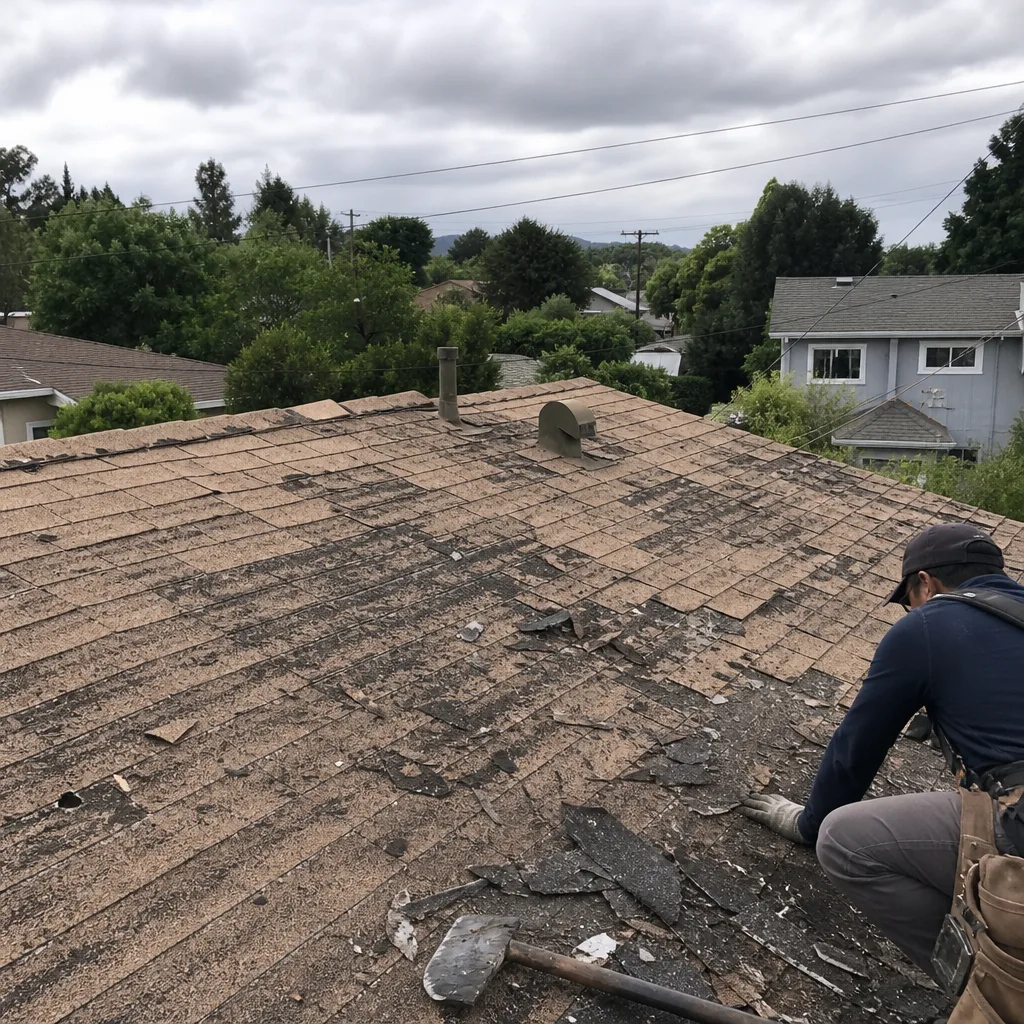 Before
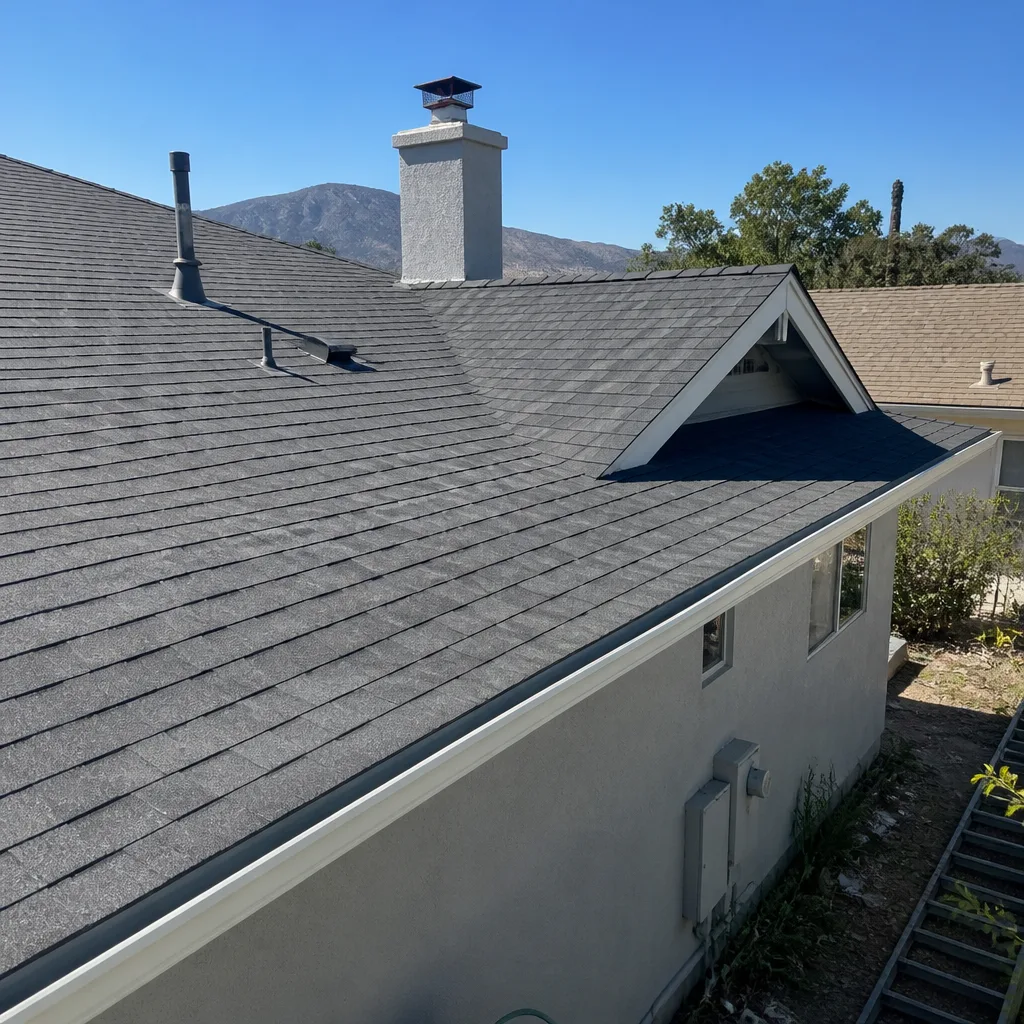 After
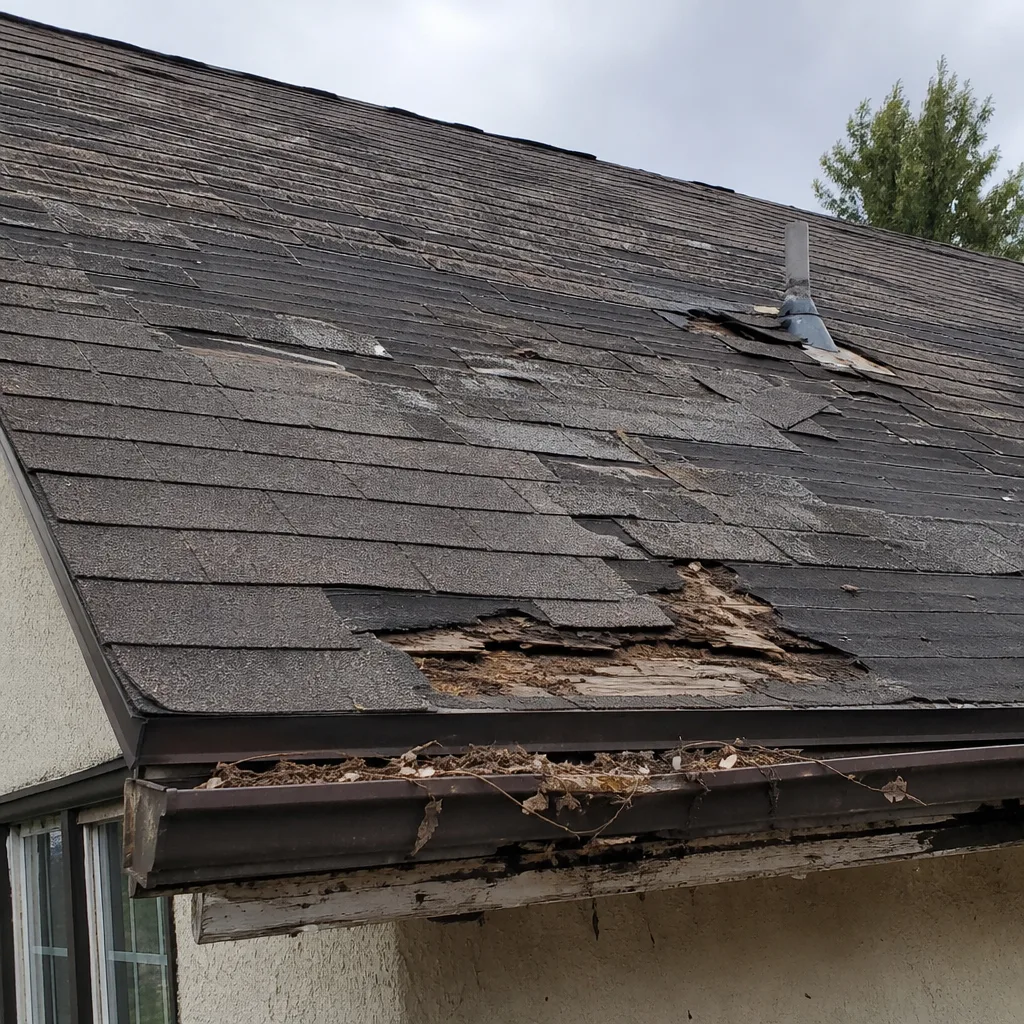 Before
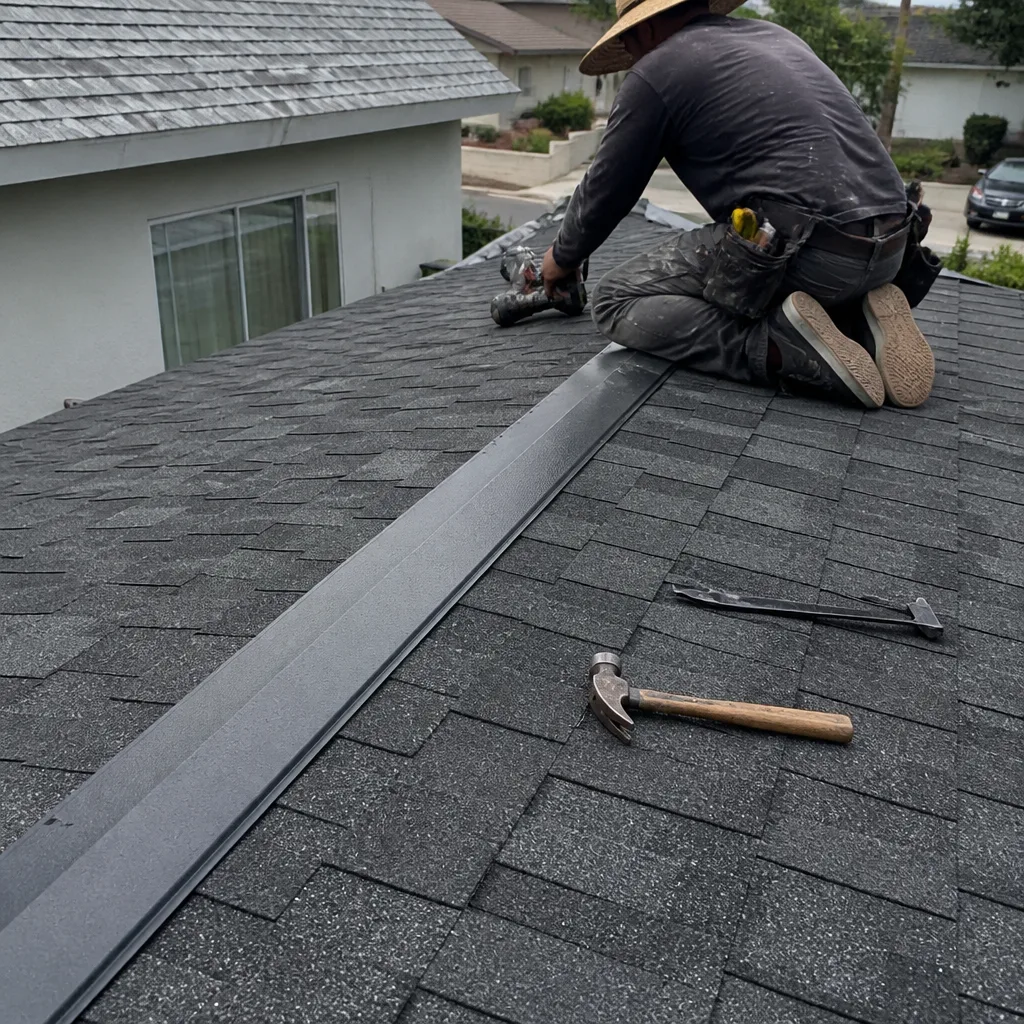 After
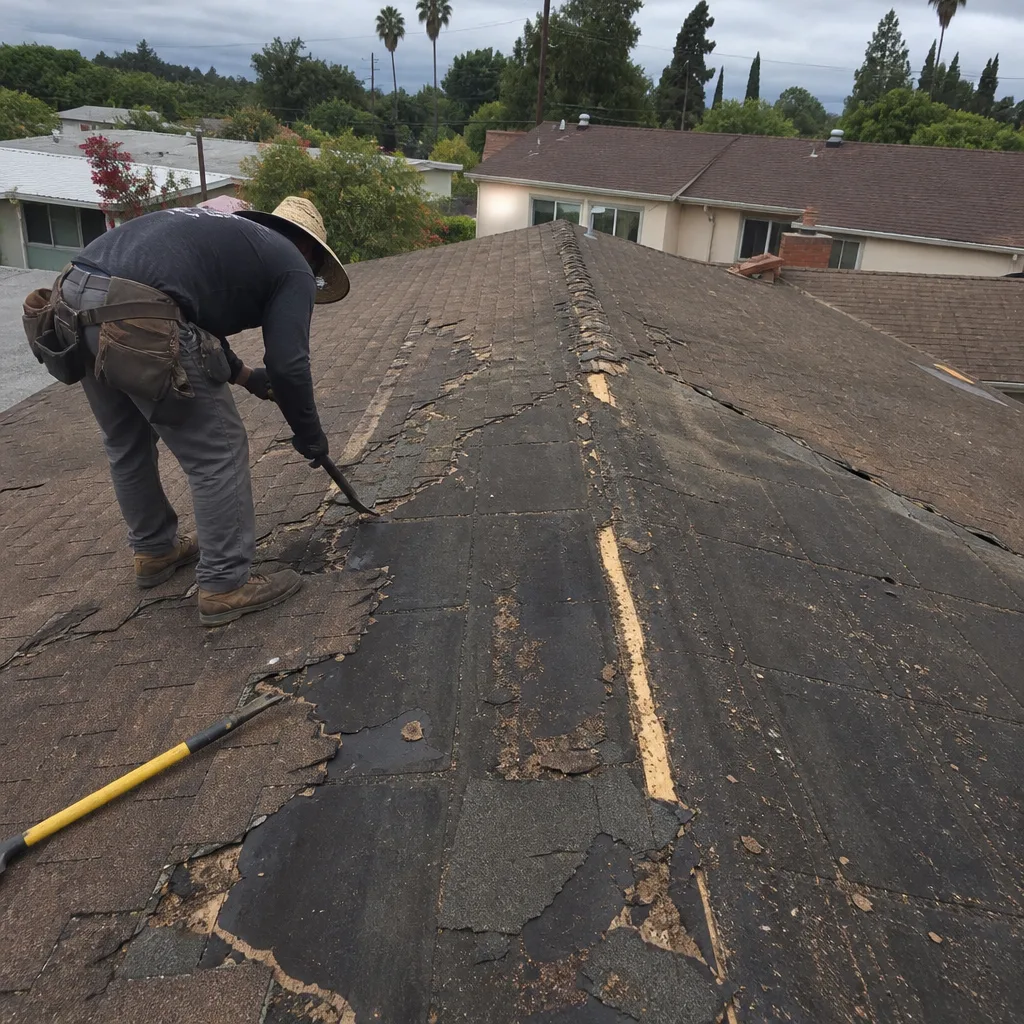 Before
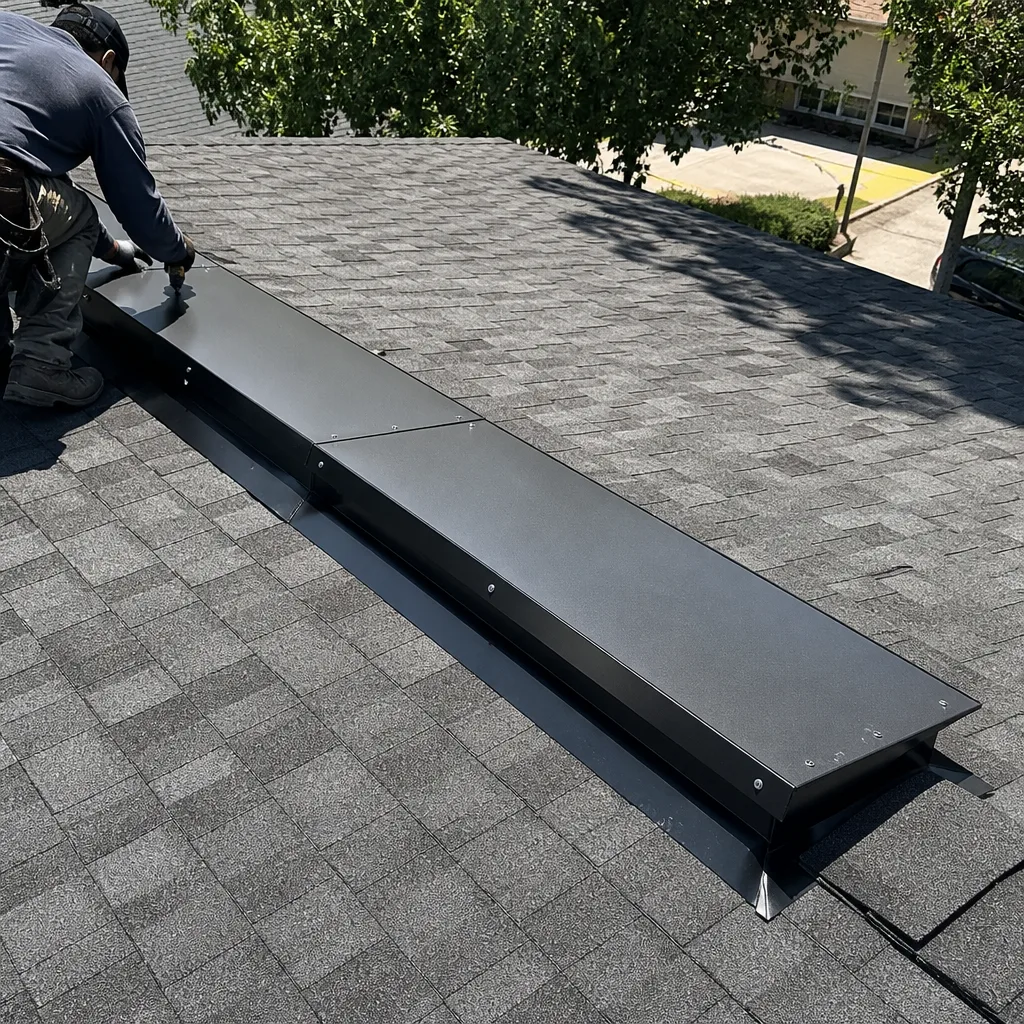 After