
Last updated October 31, 2026
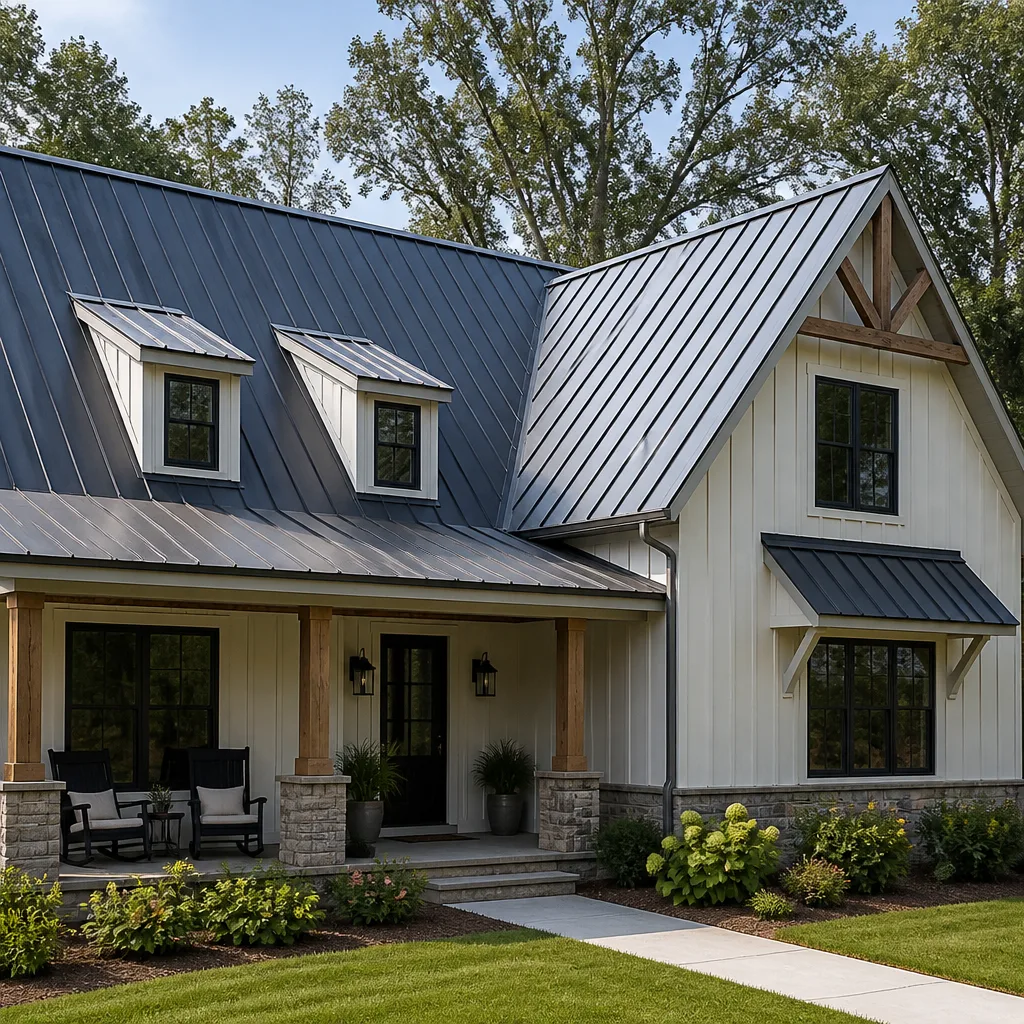 Metal roofing
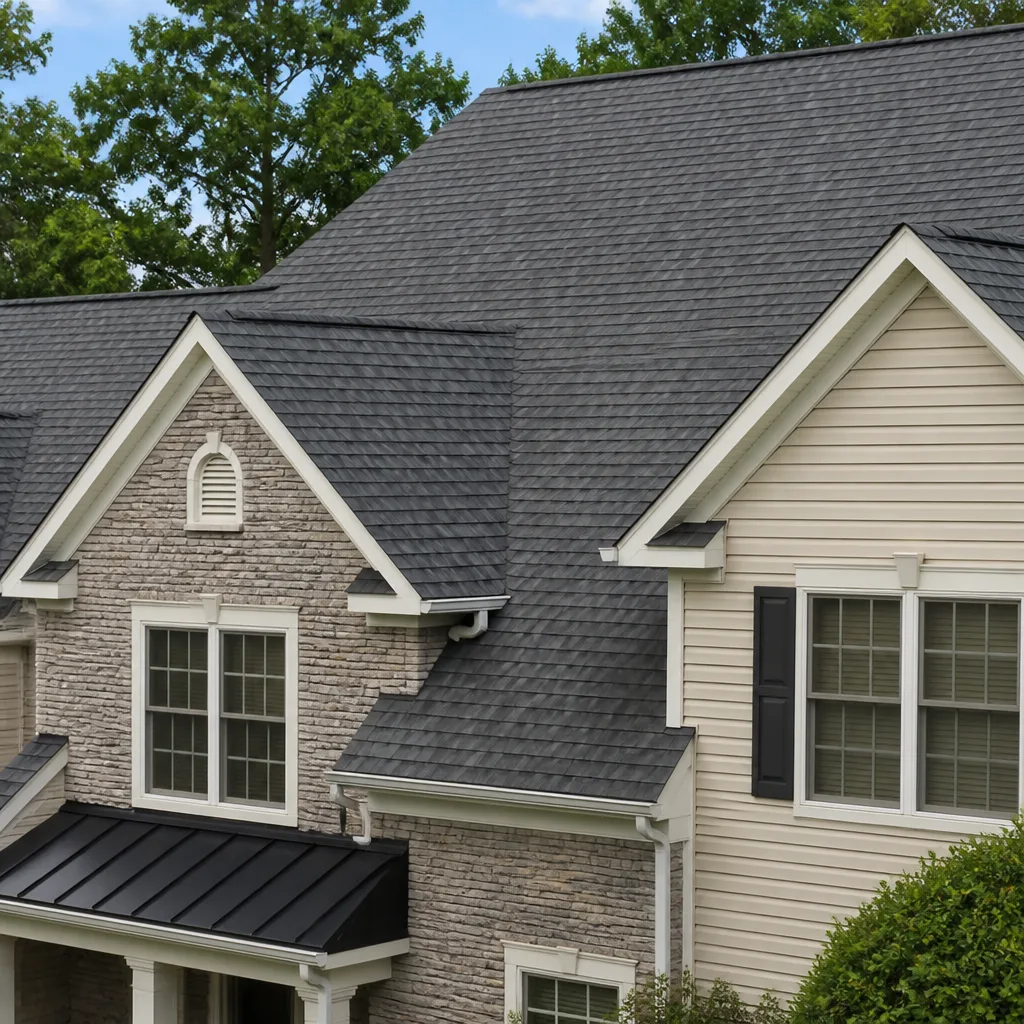 Architectural shingles
 Tile roofing
 GAF
 Owens Corning
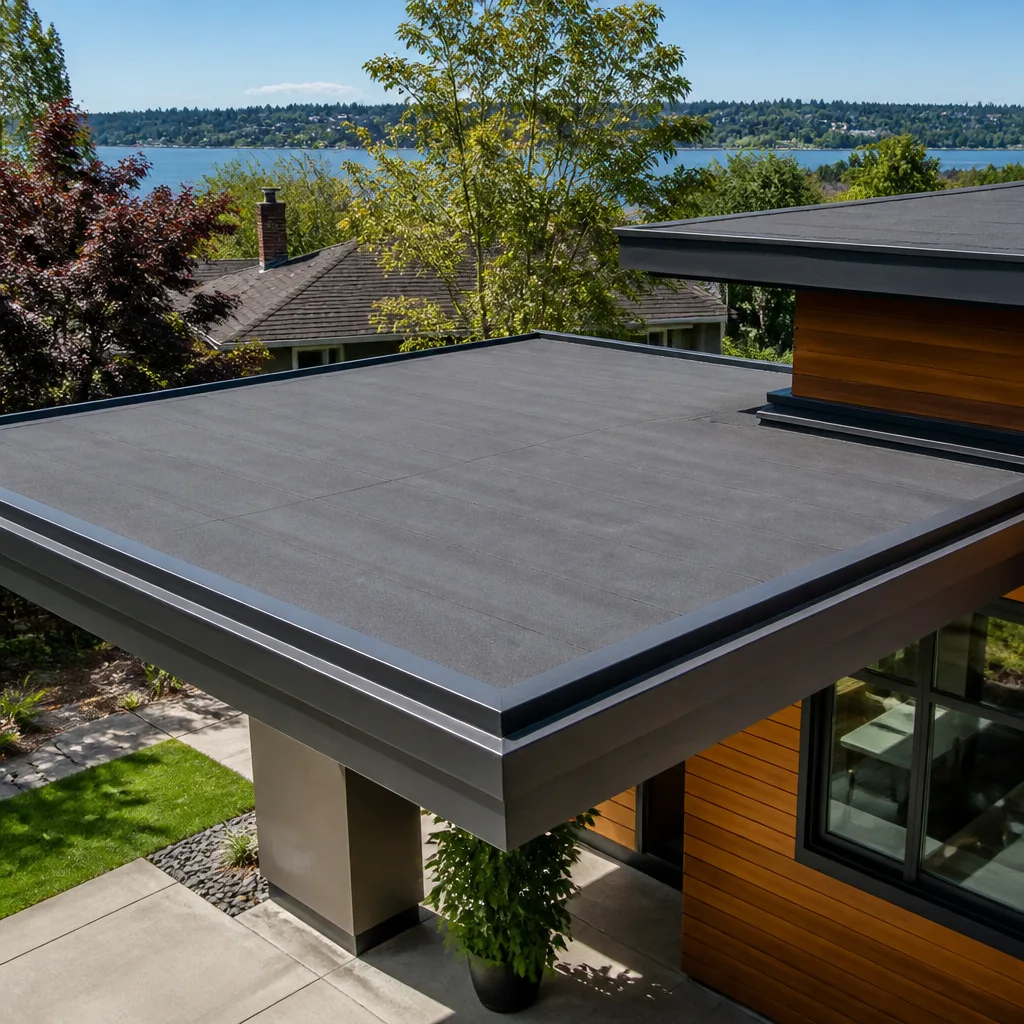 Flat & low-slope
Free roof inspection with deck photos before we talk money - GAF and Owens Corning certified installation
Seasonal Roofing Care for Burbank: Year-Round Homeowner’s Guide
Burbank averages roughly 14 inches of rain per year, a number that leads most homeowners to treat the roof as a set-it-and-forget-it asset. That math misses the real story. Because that rain arrives in concentrated bursts after months of dry heat, debris accumulates in valleys and drainage paths without any regular flushing. When the first significant storm hits, a clogged scupper or packed valley can redirect more water into the roof assembly in one afternoon than a Seattle roof sees in a month. A seasonal care calendar built around Burbank’s actual weather pattern, not a generic four-season template borrowed from the Northeast, prevents most of the damage we see on inspection calls. This guide walks through the full year: what to check before the rains, what to inspect after the heat, what to do after Santa Ana wind events, and how to time it all against real weather data for Burbank.
Styles & brands we work with
Quick Answer
Seasonal roof care in Burbank works best as four checkpoints: a late-October-to-November pre-rain audit, a post-Santa-Ana-wind inspection after each significant event, a spring post-rain inspection to read storm evidence before it gets cleaned away, and a mid-summer heat audit to catch thermal-cycle damage before it becomes a leak. The three highest-value inspections are the pre-rain audit, the post-wind check, and the post-rain evidence read. Most Burbank roofs fail from heat cycling and debris-blocked drainage, not from rain volume alone.
Table of Contents
- Why Burbank Roofs Fail Differently
- October-November: The Pre-Rain Audit
- July-September: The Heat Stress Assessment
- Post-Santa Ana Wind Protocol
- Spring: Reading What Winter Left Behind
- Building a Burbank Roof Care Calendar
- Material Considerations for the Burbank Climate
- Common Mistakes to Avoid
- When to Call a Professional
- Frequently Asked Questions
- The Bottom Line
Why Burbank Roofs Fail Differently
A roof in Burbank ages on a fundamentally different timeline than a roof in Portland or Denver. The damage mechanism that drives most failures here is not precipitation. It is thermal cycling. In the San Fernando Valley, summer temperatures routinely exceed 95°F during the day, which pushes rooftop surface temperatures well past 140°F on asphalt shingle systems. Asphalt shingles expand when heated and contract when they cool. Over five, ten, fifteen years of daily cycles, the asphalt matrix loses elasticity. The granules that protect shingles from UV radiation begin to release, and once granule loss exposes the asphalt to direct sunlight, the material degrades rapidly.
We see this pattern every August and September during heat stress assessments. Flashing at walls and chimneys, installed with asphalt-based sealant, dries and cracks under sustained heat exposure. Tile roofs fare differently but no better in some ways: the tiles themselves hold up well to sun, but the mortar used at ridge lines and hips expands and contracts at a different rate than the tile, causing it to crack and loosen over time. When a winter storm arrives, the water finds those gaps immediately.
Burbank’s second biggest roof killer is debris accumulation. The same dry months that bake your roof also drop leaves from sycamores, oaks, and fruit trees across the city’s neighborhoods. In the hillside areas above Kenneth Road and along the Verdugo foothills, wind deposits fine dust and dry vegetation into valleys, gutters, and scuppers. Without rain to flush these channels, they pack hard. When the first real storm arrives in November or December, drainage paths are blocked, water backs up, and the roof system sees hydrostatic pressure it was never designed for. The cycle repeats every year.
For a deeper look at how these failure modes show up during inspections, see our guide to roof inspection in Burbank.
October-November: The Pre-Rain Audit
The most important roof maintenance window in Burbank runs from mid-October through mid-November, before the first significant storm system of the season. Historical weather data for Burbank shows that measurable rain typically begins in late October or early November, though occasionally it arrives later. Waiting until the first rain is already falling means competing with every other homeowner for the same contractor windows and running the risk of water intrusion during the inspection itself.
The pre-rain audit covers five specific areas. Each one takes less than an hour to check, and together they address roughly 80% of the water intrusion issues we find in Burbank.
Step 1: Clear Every Drainage Path
- Remove debris from valleys – the V-shaped channels where two roof planes meet. Valleys concentrate water flow during storms. A valley packed with leaves and dust becomes a dam, forcing water sideways under shingles and into the decking.
- Clear gutters and downspouts completely. If you have gutter guards, still check the downspout inlets. Fine Burbank dust passes through most guard systems and packs into elbows.
- Inspect scuppers on flat or low-slope sections. Many Burbank homes have combination roofs: pitched shingle sections over living areas and flat membrane sections over additions, patios, or garages. A blocked scupper on a flat section holds water against the membrane indefinitely.
- Remove debris from behind chimneys, skylights, and roof penetrations. These are natural collection points no matter how clean the field of the roof is.
Step 2: Verify Flashing Integrity
Flashing is the metal or membrane material that seals roof transitions: where shingles meet walls, around chimneys, at vent pipes, and along step-flashing lines. In Burbank’s heat, the sealant used around flashing dries and separates from the metal surfaces. Run a visual check along every flashing line. Look for gaps, cracked sealant, rust-through, or lifted metal. If the flashing moves when pressed gently, it is no longer sealed. Water will find that path during the first storm.
Step 3: Inspect Low-Slope Drainage
Many newer Burbank additions and a significant number of mid-century homes feature low-slope or flat roof sections. On these systems, the membrane itself carries the waterproofing burden. Check the membrane surface for blisters, cracks, or exposed seams. Then verify that water actually flows to the drain or scupper. Stand back and look at the roof plane: if you see ponding areas from the last rain or from your own hose test, drainage is failing. A low-slope roof should shed water within 48 hours. Water that sits longer accelerates membrane degradation and eventually finds a seam gap.
Step 4: Check Ridge and Hip Mortar on Tile Systems
If your Burbank home has a tile roof, the tiles themselves are likely fine. What is not fine is the mortar holding the ridge tiles and hip tiles in place. By November, the previous summer’s heat has already expanded and contracted that mortar hundreds of times. Loose or cracked mortar sections need to be re-pointed, or the ridge line becomes a water entry point during winter storms, even if every individual tile is intact.
Step 5: Interior Attic Check
The final pre-rain step happens inside. Go into the attic with a flashlight during daylight hours. Turn off any lights and look for pinholes of daylight coming through the roof deck. Each pinhole is a gap where water can enter. Also check the insulation for water staining, especially around penetrations and at the roof edges. An attic check takes ten minutes and reveals what the roof surface hides.
This pre-rain audit is the single highest-ROI maintenance task for Burbank homeowners. Homes that complete it every year rarely experience emergency leaks during the winter storm season. If you find anything you are not sure about, roof repair in Burbank is more affordable before a small gap becomes a saturated deck.
July-September: The Heat Stress Assessment
While the rest of the country worries about ice dams and snow load, Burbank roofs face their most severe stress between July and September. This is when sustained ambient temperatures above 95°F in the San Fernando Valley push roof surfaces past 140°F day after day. The damage is rarely visible from the ground. It accumulates inside the roofing materials themselves.
On asphalt shingle systems, the summer heat assessment focuses on three things:
- Granule loss patterns. Check gutters and downspout splash blocks for accumulated granules. Some granule loss is normal for any asphalt shingle, especially in the first year. Heavy granule accumulation in gutters, or visible bald spots where the asphalt substrate shows through the granule layer, is a warning sign. Granules protect asphalt from UV radiation. Once they release, the shingle ceases to be a UV shield and begins to break down structurally.
- Curling and cupping. Walk the perimeter and examine the roof from the ground or from an upper window. Curling shingle edges indicate the asphalt matrix is losing elasticity. Shingles that curl create wind-lift points and expose the underlying layers to direct sun, accelerating the cycle.
- Flashing sealant cracking. The same heat that ages shingles breaks down the asphalt-based sealants used at flashing transitions. Check around chimneys, vent stacks, and walls for cracked, peeling, or separated sealant. If the gap is wide enough to slide a business card into, water will enter when rain arrives.
Tile roof systems face a different summer failure mode. The tiles themselves are fired clay or concrete, and they do not care much about heat. The materials that hold them together do. Ridge tiles and hip tiles are bedded in mortar. That mortar expands and contracts at a different coefficient than the tile it holds, so every major heat cycle creates micro-fractures. By September, the accumulated damage can loosen entire ridge caps. A loose ridge tile is both a water intrusion risk and a safety hazard during Santa Ana wind events, which typically begin in September and October.
We recommend Burbank homeowners complete a heat stress assessment every mid-to-late September. It catches the thermal damage before the winter rain season begins, giving you time to schedule repairs without pressure. For material-specific guidance on what holds up in this climate, see roof replacement in Burbank considerations.
Post-Santa Ana Wind Protocol
Santa Ana wind events are a Burbank-specific roofing threat that generic seasonal guides never address. These winds typically arrive between September and February, with the strongest events occurring in October and November. Gusts through the Verdugo passes and down the canyons can exceed 60 mph in the hillside areas. The damage they cause is rarely obvious from the ground. It happens at the roof’s edges, transitions, and upward-facing laps.
After any Santa Ana event with sustained winds above 25-30 mph, complete a specific inspection protocol. Even when everything looks fine from the street or the driveway, follow these four checks:
- Walk the ridge line from the ground. Use binoculars or a camera zoom to examine every ridge tile and ridge cap on tile systems. Santa Ana winds lift ridge tiles from the upwind side. A ridge tile that has shifted even an inch exposes the mortar bed and the underlayment below.
- Inspect flashing at all wall junctions. Wind-driven rain and debris push against flashing where walls meet the roof. Look for lifted metal, loosened fasteners, or wind-bent flashing edges. Step flashing is especially vulnerable. If any flashing piece has been lifted, water will route behind it during the next storm.
- Check for wind-lifted shingles. On asphalt shingle systems, look for shingles that no longer sit flat. A single lifted shingle breaks the entire water-shedding integrity of its surrounding area. The next storm will use that gap to drive water sideways into the decking.
- Clear wind-deposited debris. Santa Ana winds carry dust, leaves, small branches, and sometimes the contents of a neighbor’s yard. This debris collects in valleys, behind chimneys, and at drainage transitions. Even if no structural damage occurred, wind-driven debris is often the precursor to the next storm’s water intrusion.
The key point about Santa Ana wind damage is this: the evidence often appears as a small, easily-missed displacement. A ridge tile shifted two inches. A single lifting shingle at the edge. A flashing seam that has pulled apart by a quarter inch. None of these seem urgent in the moment. In a Burbank winter storm, each one becomes a water entry point. Check after every significant wind event, not just the ones that knock over patio furniture.
Spring: Reading What Winter Left Behind
By March, most of Burbank’s rain season is behind us. The storms of December, January, and February have come and gone. What remains is evidence. Spring is the best time to read that evidence before summer heat obscures it and before routine maintenance erases it.
The spring post-rain inspection is fundamentally different from the pre-rain audit. In the fall, you are looking forward for potential problems. In the spring, you are looking backward for what actually happened. Three categories of evidence matter most.
Water marks and staining. Look at the ceiling in every room, especially along exterior walls and in corners. Look in the attic at the underside of the decking. Water stains that appeared during winter storms are your clearest signal of a developing leak. A stain that looks dry now is not a resolved problem. The water path is still there, and next winter it will carry water again, probably in larger volume.
Granule displacement in gutters and downspouts. During winter rains, water flushes loose granules from the roof surface into the drainage system. The location of those granules tells you something. Heavy granule accumulation in one specific downspout suggests one specific roof area is shedding more than normal. Compare the accumulation across the system. Uneven granule loss often points to a localized shingle failure in progress.
Mortar debris at tile roof edges. On tile systems, winter water movement dislodges the already-loosened mortar fragments from the summer’s heat. You will find the debris at the roof edges, in the gutters, and on the ground below ridge lines. The volume of debris tells you how much mortar was already compromised. Heavy debris = significant ridge repointing needed before the next cycle begins.
Read the evidence in spring, and schedule repairs for early summer. That timing gives you the full summer season to complete work before the next fall’s pre-rain audit. Homes that wait until the fall to discover these issues face a compressed timeline and higher demand for contractor time. The spring inspection leads directly into the summer heat assessment, creating a continuous care loop rather than a series of reactive fixes.
Building a Burbank Roof Care Calendar
Generic roof maintenance advice assumes four seasons with distinct characteristics. Burbank does not have four roofing seasons. It has two high-stakes windows, two lower-stakes maintenance opportunities, and a long dry stretch in between. Building a calendar around these realities makes the work actually happen.
Here is the Burbank-specific annual calendar, mapped to typical weather patterns:
| Window | Timing | Primary Task | What You Are Looking For |
|---|---|---|---|
| Pre-rain audit | Mid-October to mid-November | Full drainage clearance and flashing verification | Blocked valleys, packed gutters, dried sealant, loose mortar |
| Post-wind checks | September through February, after each Santa Ana event | Wind-lift inspection and debris clearance | Shifted ridge tiles, lifted flashing, bent metal, wind-deposited debris |
| Post-rain inspection | March to early April | Evidence reading | Water stains, granule displacement patterns, mortar debris volume |
| Heat stress assessment | Mid-July to mid-September | Thermal damage inspection | Granule loss, shingle curling, sealant cracking, mortar loosening |
The logic is simple: each window prepares for the next environmental stressor. The pre-rain audit prepares the roof for winter storms. The post-wind checks catch the damage those storms’ companions cause. The spring inspection reads the results of winter. The summer assessment catches the thermal damage before it compounds with the next year’s winter. A homeowner who completes all four in sequence never faces a surprise leak.
If you want to spread the work across the year without sacrificing effectiveness, begin with the pre-rain audit. That single window prevents more emergency calls than all others combined. Add the post-wind checks next, then the summer assessment, then the spring evidence read. The order matters less than the consistency.
Material Considerations for the Burbank Climate
Burbank’s climate punishes some roofing materials faster than others, and the right choice depends on your roof’s form and your home’s exposure. This is where material selection matters more than seasonal maintenance. A well-chosen material reduces the workload every season. A poorly chosen one turns every check into a recurring problem list.
Three manufacturers dominate the Burbank replacement market for pitched asphalt shingle systems: GAF, CertainTeed, and Owens Corning. Each offers products with meaningful differences in impact resistance, wind warranty ratings, and heat tolerance. The choice between them generally comes down to budget, aesthetic preference, and the specific wind exposure of your roof plane. Hillside homes with direct exposure to Santa Ana gusts benefit from higher wind-rated products. Homes in the flatlands below the Verdugo foothills have more flexibility.
For tile systems, clay and concrete tiles hold up extremely well to Burbank’s sun. The vulnerable elements are the ridge mortar and the underlayment beneath the tiles. When a tile system requires replacement of underlayment, the choice of synthetic vs. felt matters: synthetic underlayments resist the UV exposure and heat that break down felt products in the San Fernando Valley environment. We have seen 20-year-old tile underlayment in Burbank that had turned to powder in sections where the tiles had shifted.
The guiding principle is simple: match the material to your roof’s specific environmental stressors, not to what a neighbor installed or what a supplier has in stock. A flat, sun-blasted section above a garage needs different treatment than a pitched, tree-shaded plane over the living room. Understanding that difference is the core of honest material guidance. For a full breakdown of the options across the brands we work with, see roof replacement in Burbank.
From first inspection to final shingle, the material decision shapes every seasonal task on this calendar. A roof built for Burbank’s actual conditions makes the pre-rain audit a spot-check. A roof built for a different climate turns every audit into a repair list.
Common Mistakes to Avoid
- Waiting until the first rain to check the roof. The first Burbank storm of the season arrives after four to six months of dry debris accumulation. By the time water is running down the roof, any blocked drainage path is already causing damage. The pre-rain audit exists for a reason: the window before the first storm is the only clean opportunity to address what accumulated over the summer.
- Assuming visible damage from the ground = total roof condition. A Burbank roof can look perfect from the driveway and be failing from the inside. Granule loss, underlayment degradation, and sealant failure are invisible from ground level. The attic check and the post-rain evidence read exist specifically to catch what the curb view misses.
- Treating Santa Ana winds as a nuisance rather than a structural event. Homeowners check for broken windows and toppled furniture after a Santa Ana event. The roof gets ignored. Yet the same gusts that moved your patio table also lifted ridge tiles and flashed seams on the upwind roof plane. The post-wind protocol is not optional if you want to catch the damage before winter rain exploits it.
- Cleaning gutters in the spring as a single annual task. A once-per-year gutter cleaning in March leaves the drainage system unprotected through the entire fall accumulation period and the beginning of the rainy season. Burbank’s leaf-drop pattern demands at least two cleanings: one before the fall accumulation period ends and one after winter storms pass.
- Ignoring hairline cracks in flashing sealant because they look small. A one-millimeter gap in flashing sealant is a water path. During a Burbank downpour, driven water will find that gap and travel horizontally along the flashing line, wetting the decking far from the visible entry point. Small cracks become large repairs.
- Assuming tile roofs do not need maintenance. The tiles themselves are practically indestructible in this climate. The mortar that holds ridge and hip tiles is not. A tile roof with loose ridge mortar is a leak waiting for the next wind- driven rain, regardless of how good the tiles look.
- Skipping the attic check because the roof looks fine from above. The attic is where Burbank roof failures reveal themselves first: daylight pinholes, water staining on insulation, sagging decking. Ten minutes in the attic catches what an hour on the surface misses.
When to Call a Professional
Most of the seasonal checklist on this page can be done by a homeowner with steady balance and a pair of binoculars. But certain findings warrant a professional assessment before you proceed. Call a qualified roofer when you find water staining on ceilings or attic decking, when granule loss is visible on the shingle surface, when mortar debris at tile roof edges is significant, when flashing is visibly separated from the wall or chimney, or when a roof has gone more than five years without a professional inspection despite completing the seasonal checklist. The goal is not to replace homeowner diligence. It is to catch what homeowner diligence cannot see: the early-stage failures that require trained eyes and experience with Burbank’s specific failure patterns. Marquis Roof Repair offers free estimates in Burbank – call (866) 705-2978 to schedule. The estimate process is diagnostic first. We investigate before we recommend.
Frequently Asked Questions
Twice per year at minimum: once in mid-to-late October before the first significant rain event, and once in March after winter storms have passed and the seasonal leaf drop has finished. Homes under large sycamores or oaks, especially in the hillside neighborhoods, may need a third cleaning in December if the fall accumulation was heavy. The goal is simple: keep drainage paths clear during the rainy season, not just after it ends.
The highest-value inspection window is mid-October through mid-November, before the first significant storm of the season. This timing allows any discovered issues to be addressed before winter rain tests them. The second-best window is March through April, when winter storm evidence is still visible in the attic and on the roof surface. We recommend scheduling at least one professional inspection during one of these two windows every year. Call (866) 705-2978 to book a free estimate.
Burbank’s sustained summer temperatures above 95°F push rooftop surface temperatures past 140°F, which drives daily thermal expansion and contraction cycles in the roofing materials. Over time, asphalt shingles lose their granule layer, which exposes the asphalt to UV radiation and accelerates breakdown. Flashing sealants dry and crack. Tile ridge mortar loosens as it expands and contracts at a different rate than the tile it holds. The damage is cumulative and often invisible until a storm exploits it.
Santa Ana winds cause real, specific roof damage in Burbank, especially on hillside homes with direct exposure to the wind path through the Verdugo passes. The damage pattern is distinct: ridge tiles lift from the upwind side, flashing pulls away from walls and chimneys, and wind-driven debris packs into valleys and drainage paths. The damage is often small and localized, but each small displacement becomes a water entry point during winter storms.
Most of the seasonal checks on this page are designed for homeowner completion: clearing debris, checking drainage, reading water marks, monitoring granule accumulation. The key is consistency and safety: never walk a roof without proper fall protection, and use binoculars or a camera zoom for anything beyond your comfortable reach. A professional inspection is warranted when you find evidence of water intrusion, when granule loss appears significant, or when the roof is older than ten years without a professional assessment. For a detailed roof inspection in Burbank, a trained eye catches what the seasonal checklist misses.
Repair costs in Burbank vary widely depending on what the inspection finds, but small issues caught early are dramatically cheaper than the same issues discovered during a leak. Minor flashing sealant work and mortar repointing typically range from a few hundred dollars. Replacing a few damaged shingles or a section of lifted flashing stays in the low-to-mid hundreds. The moment water intrudes into the decking, the project scope grows quickly. The seasonal calendar exists to catch problems before the cost axis moves. Call (866) 705-2978 for a free estimate on any repair or inspection need.
For more on how we approach the full scope of the work, see Marquis Roof Repair home and our roof repair in Burbank service details.
The Bottom Line
Burbank roofs do not fail from rain volume. They fail from heat cycling, debris-blocked drainage, and wind-lift damage that goes unaddressed between storms. The seasonal care calendar that works in Burbank has four concrete windows: a pre-rain audit in late fall, a post-Santa-Ana check after every significant wind event, a spring evidence read, and a summer heat assessment. Each window prepares for the next stressor. Homeowners who follow this rhythm catch small issues before they become leaks, and they do it without spending hours on the roof every month. The work is not difficult. The consistency is what matters. If you would rather have a professional handle any of these checks, Marquis Roof Repair offers free estimates in Burbank at (866) 705-2978. Built to the Marquis standard, with seven manufacturer lines and one point of contact.
Written by the team at Marquis Roof Repair, serving Burbank since 2014.
See the difference
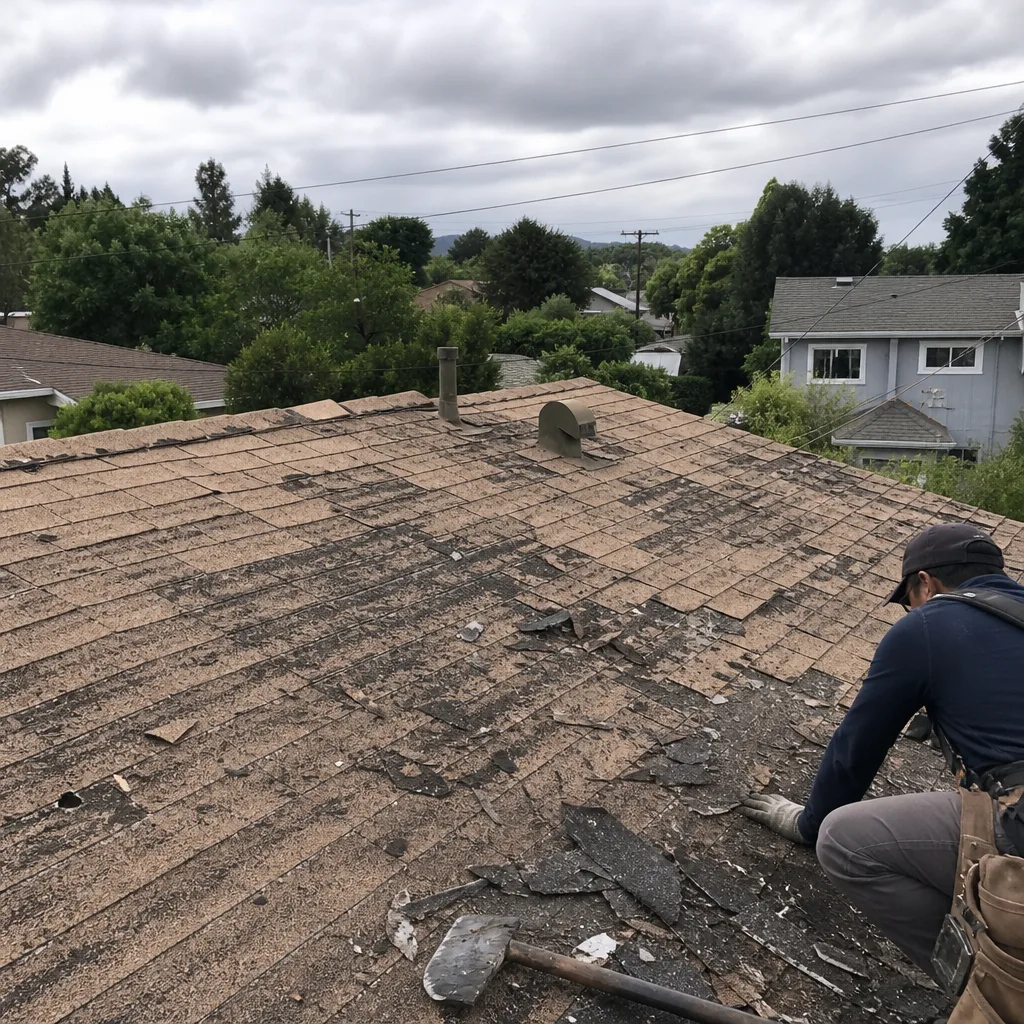 Before
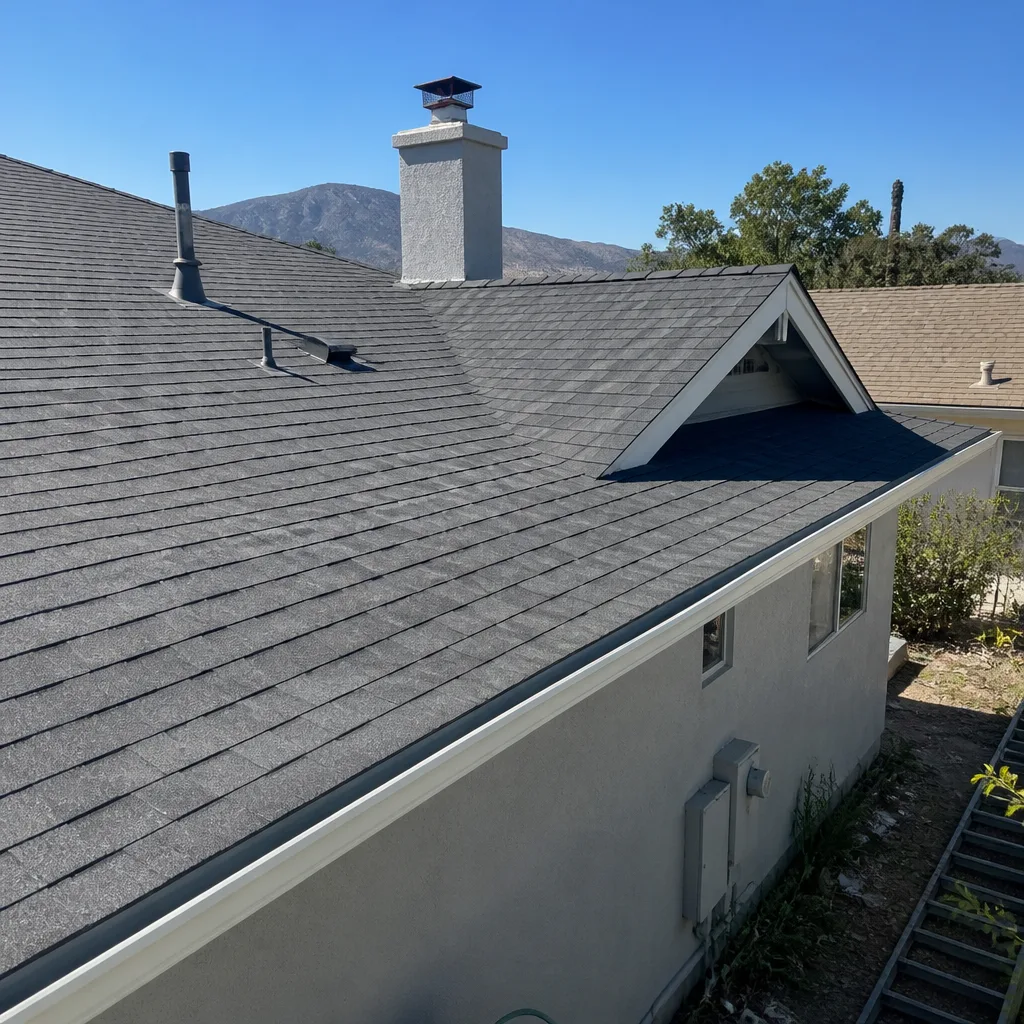 After
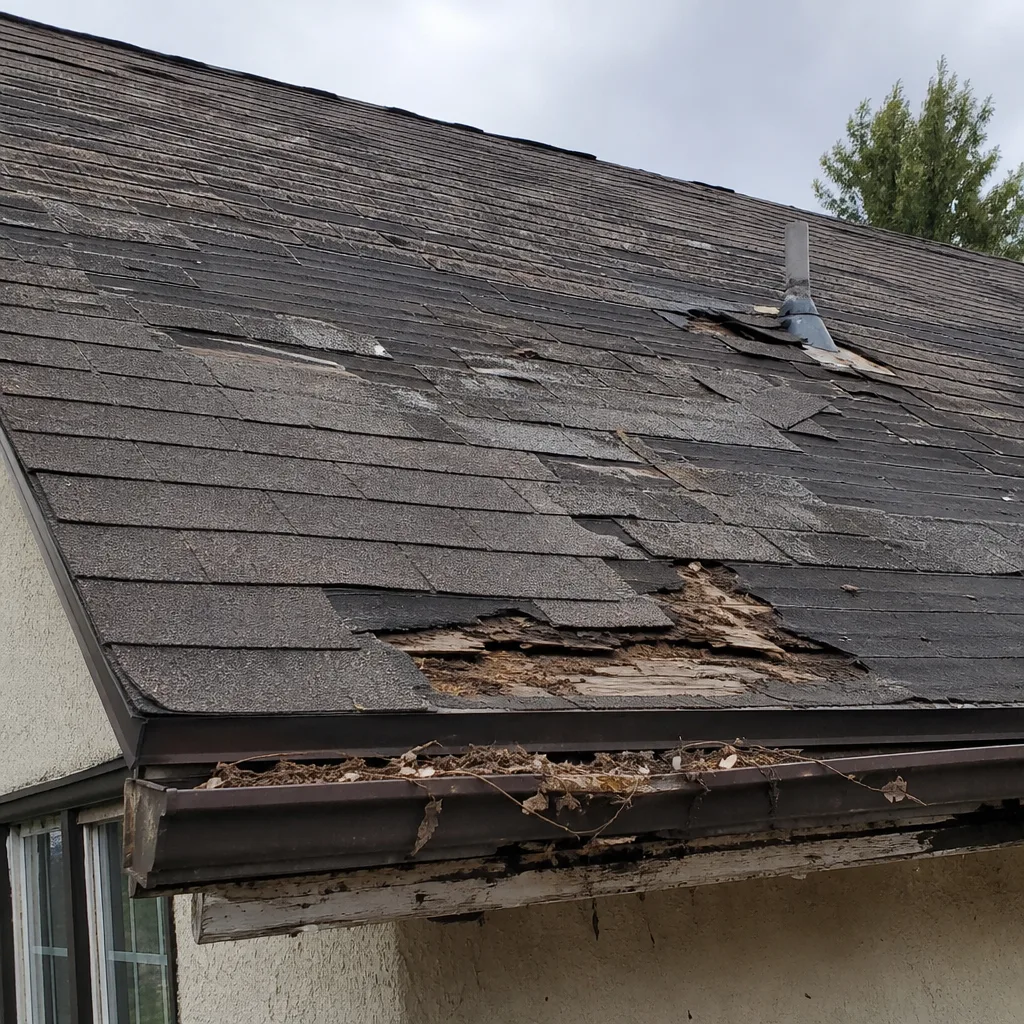 Before
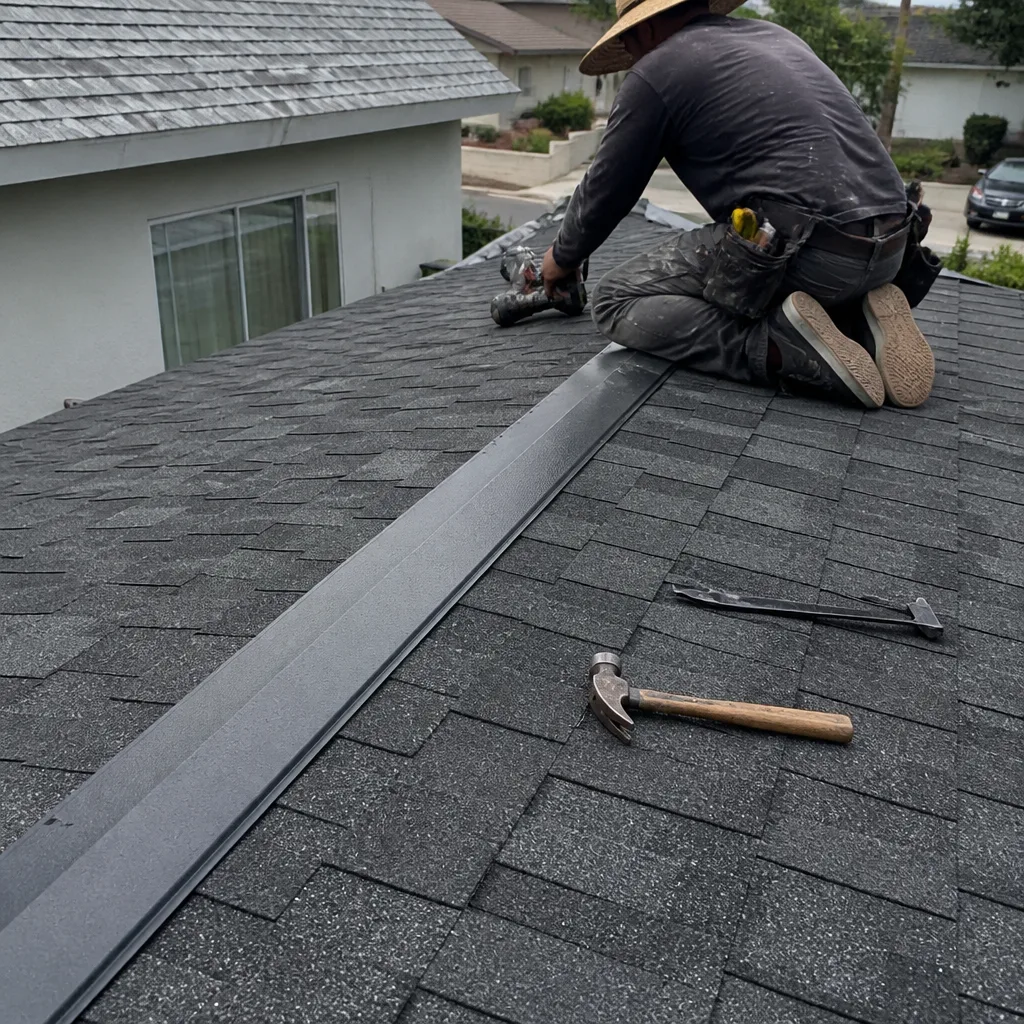 After
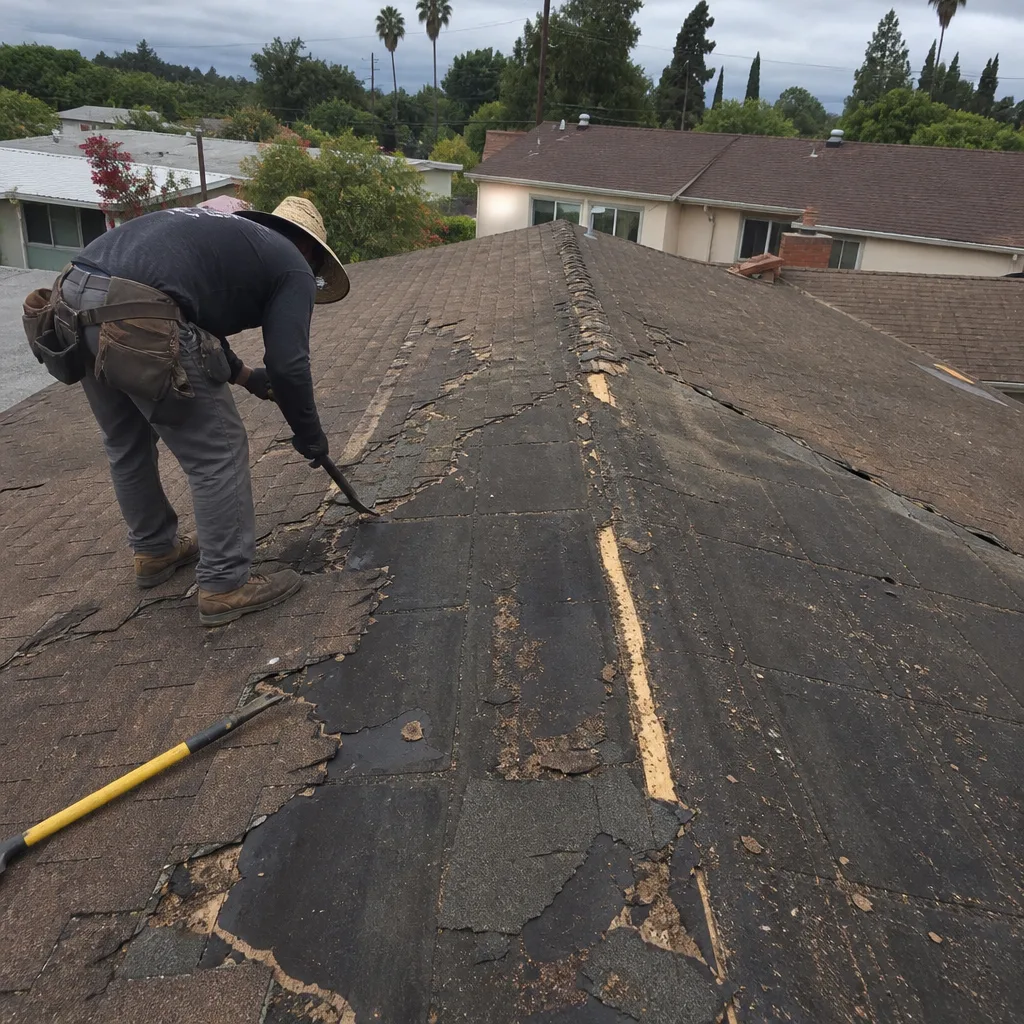 Before
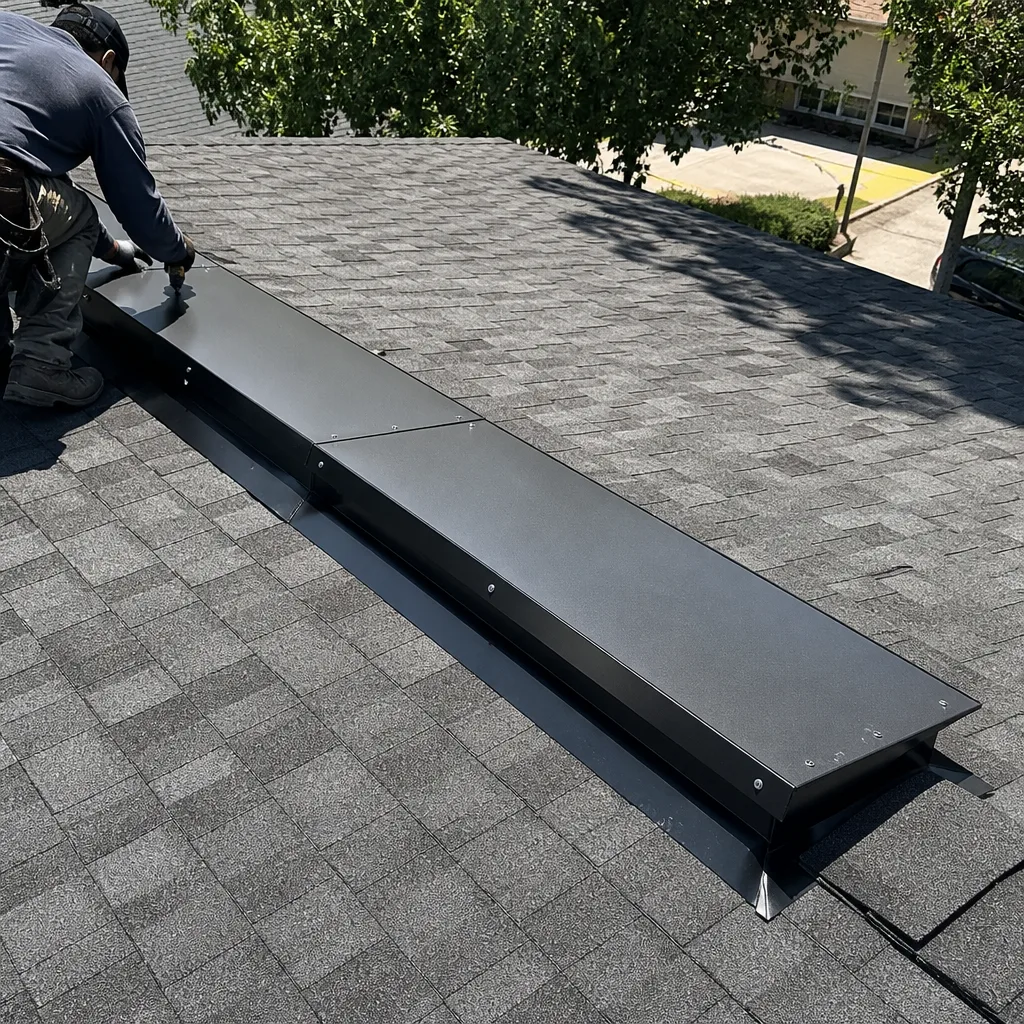 After