Last updated October 31, 2026
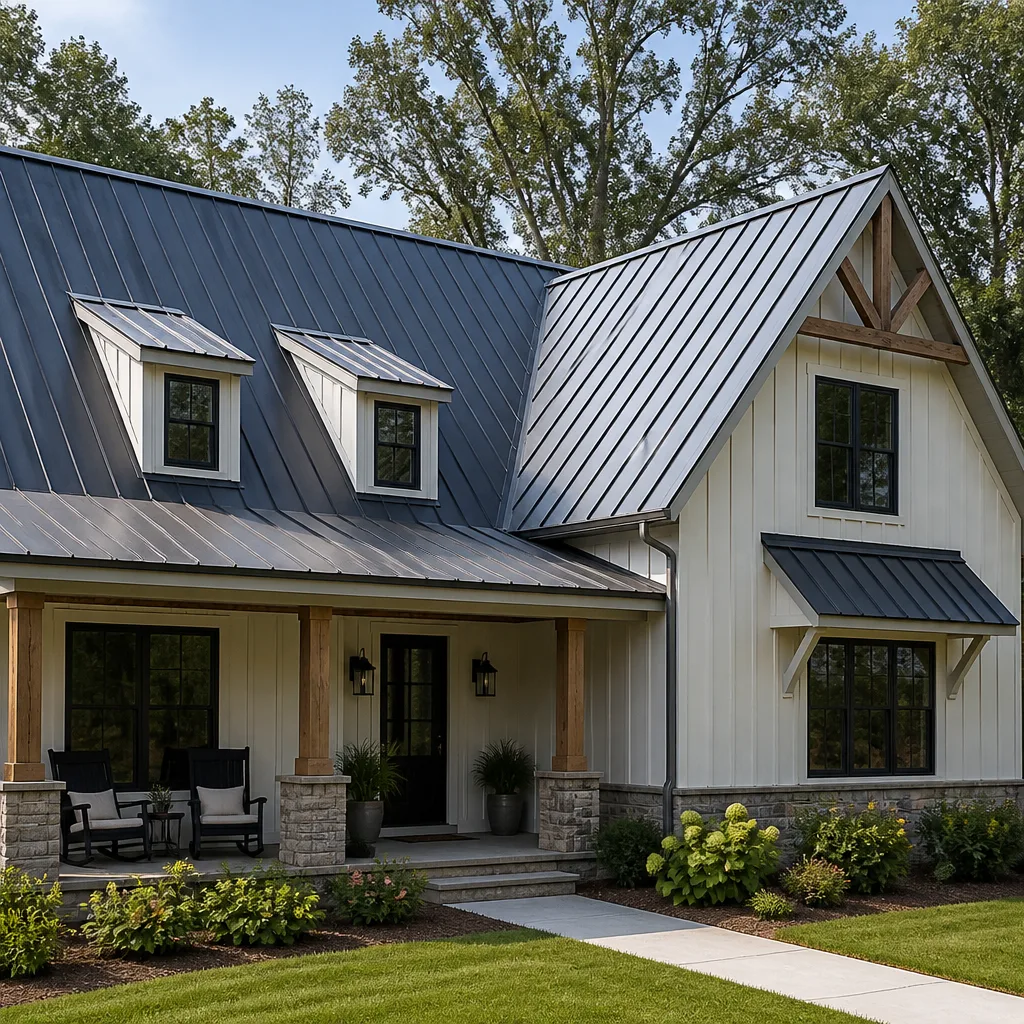 Metal roofing
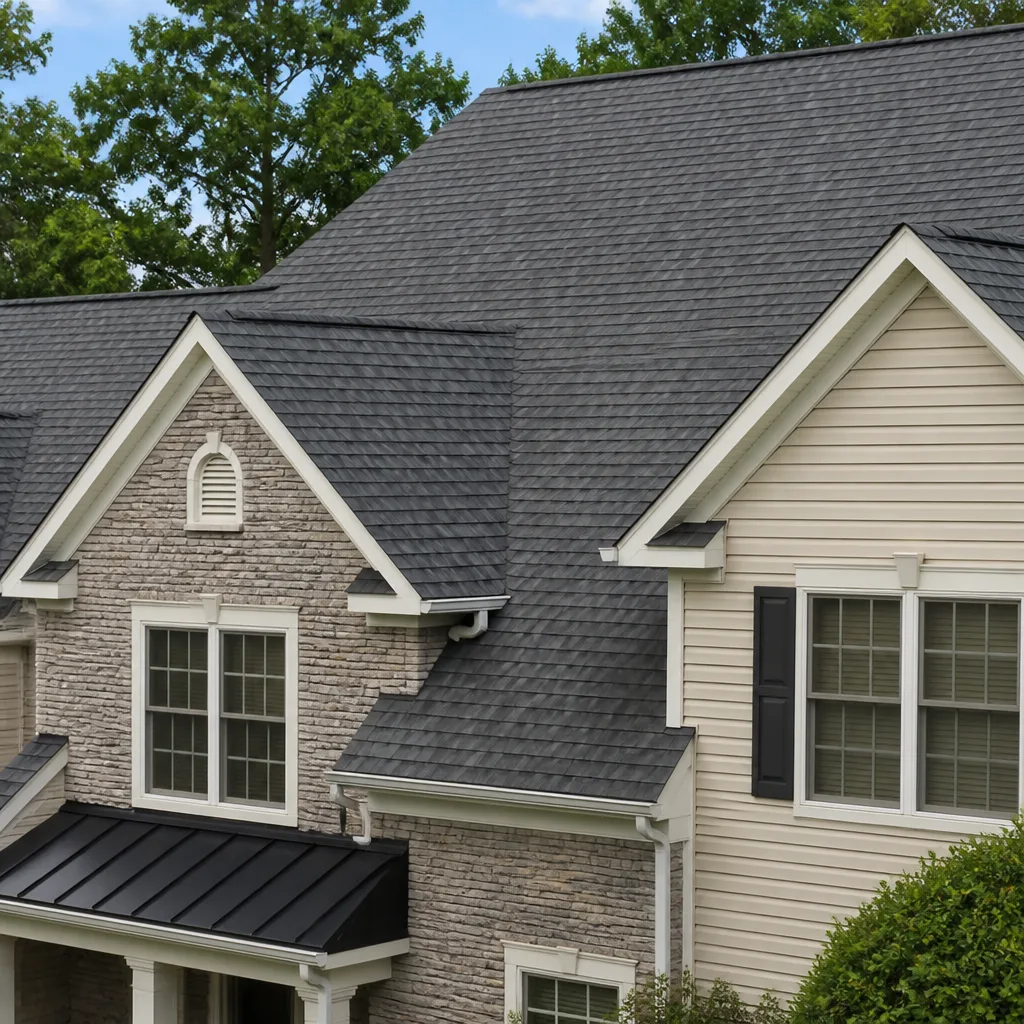 Architectural shingles
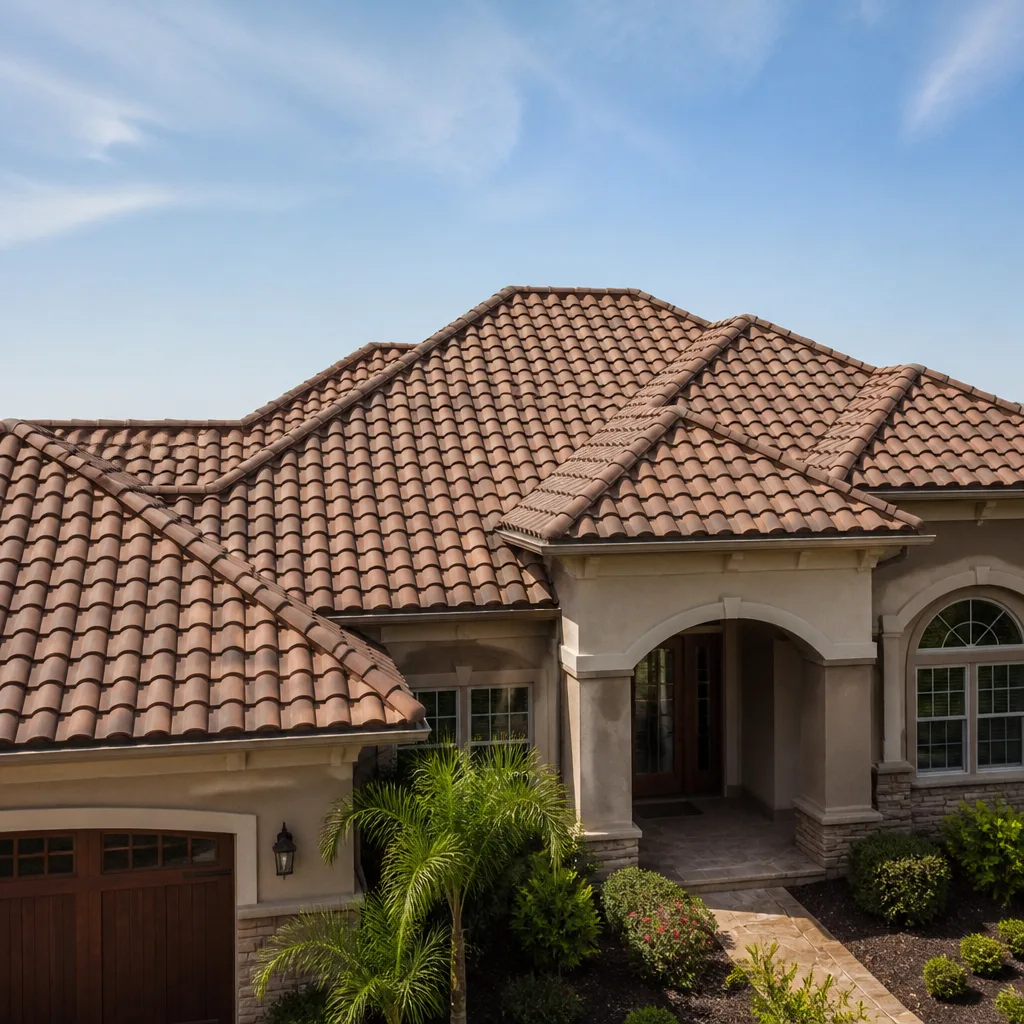 Tile roofing
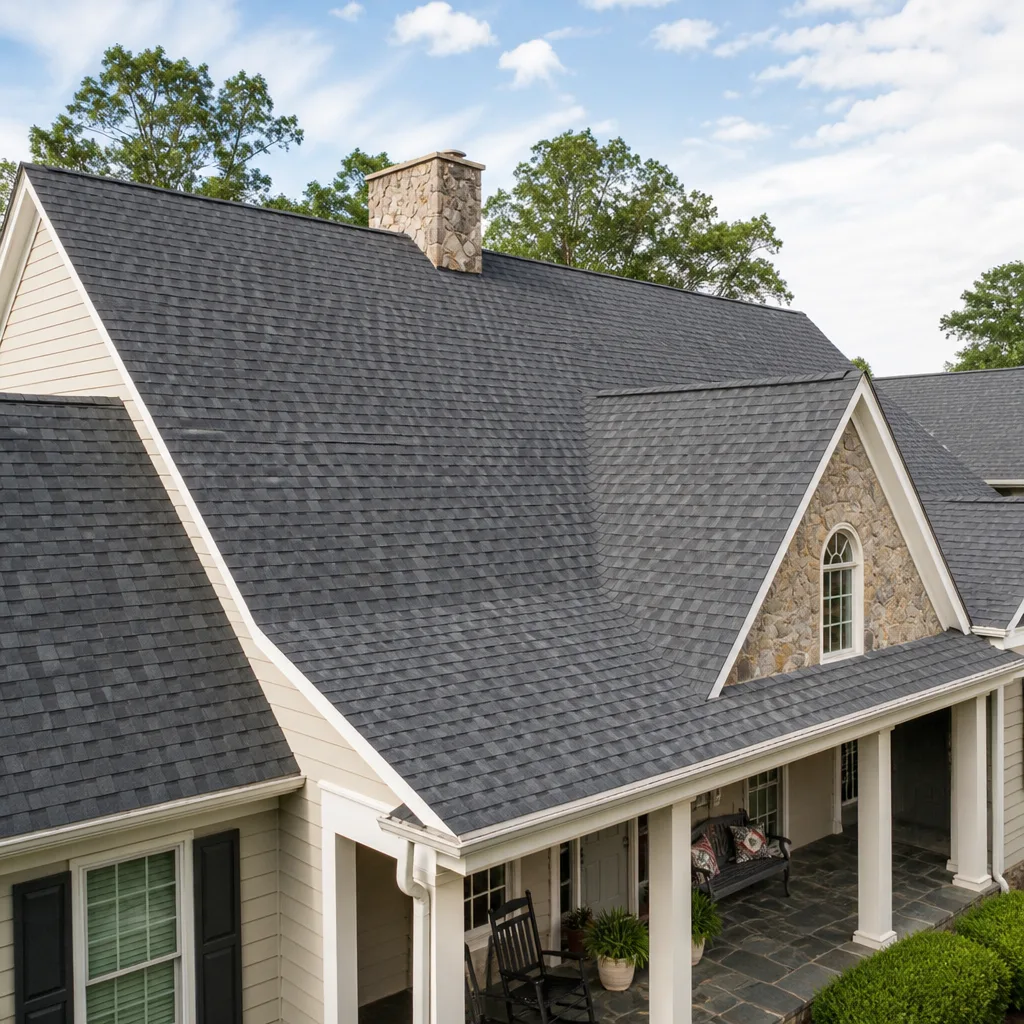 GAF
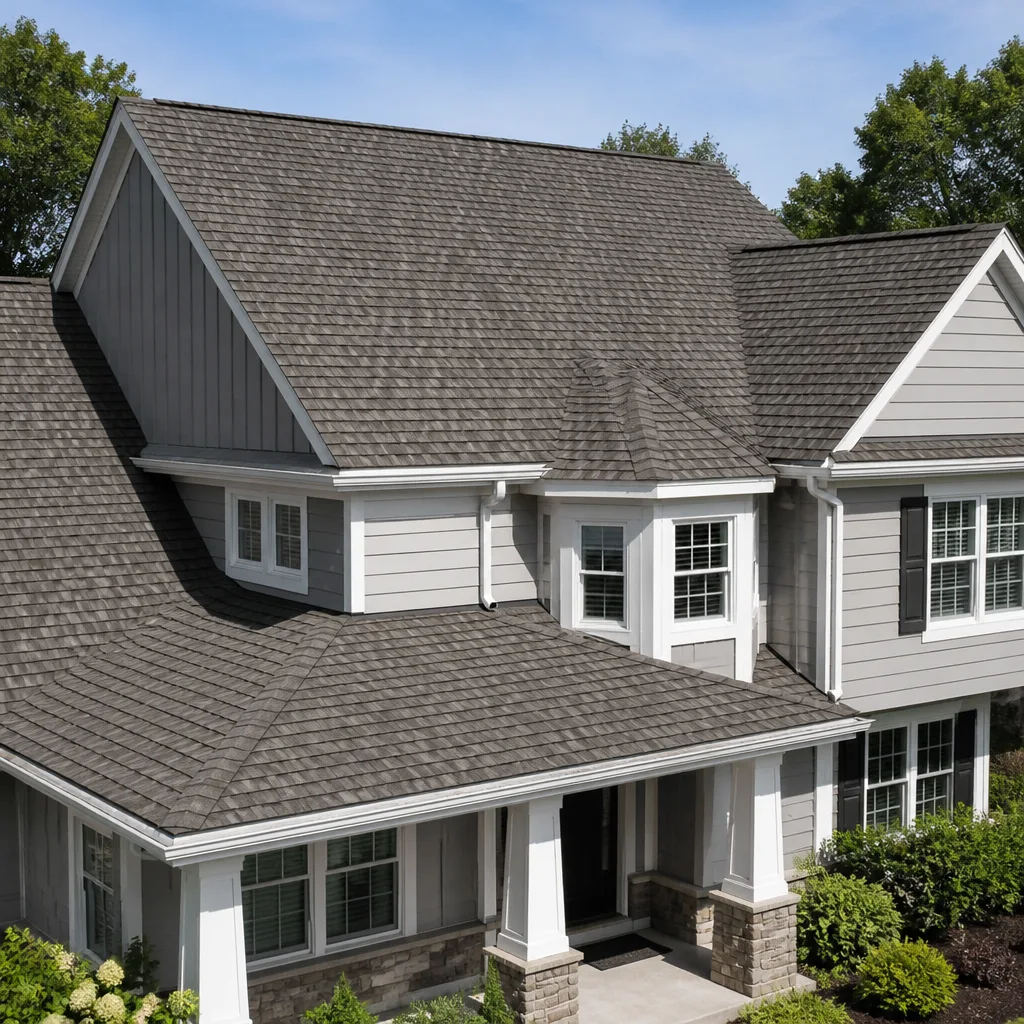 Owens Corning
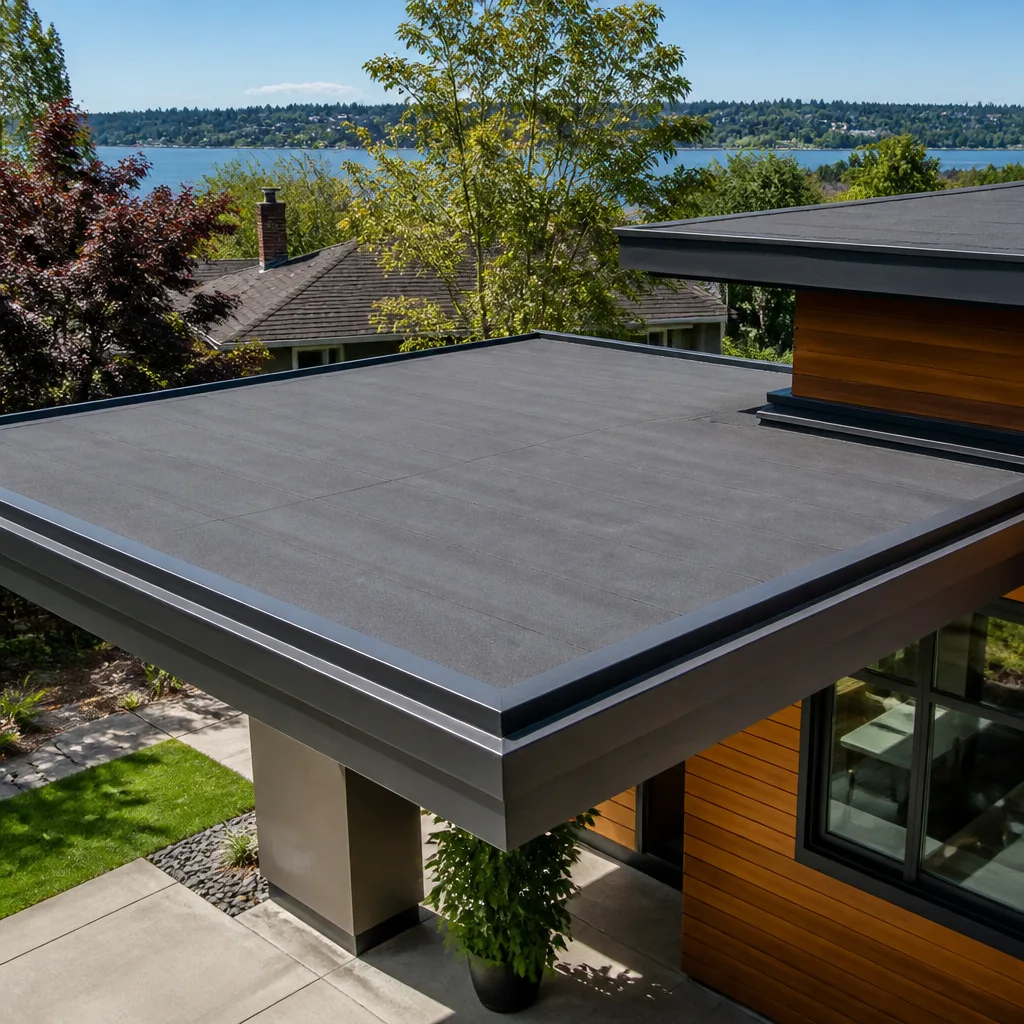 Flat & low-slope
Free roof inspection with deck photos before we talk money - GAF and Owens Corning certified installation
Roofing Cost Breakdown: The Burbank Homeowner’s Reference for 2026
In Burbank, the disposal cost alone for a full clay tile tear-off can run $1,200 to $2,500. That’s a line item some contractors bury invisibly in their bid and others conveniently “discover” as a change order once the old roof is off and the dumpster is already in your driveway. If you don’t know which cost components belong in a Burbank re-roof, you can’t compare three quotes that look wildly different but might actually be bidding the same scope. This guide breaks down every line item, from tear-off labor to permit fees, so you can evaluate any proposal against the actual cost drivers in Burbank’s market rather than a number pulled from a national database that has never seen a hillside roof on Kenneth Road. For Roofing Warning Signs: A Burbank Homeowner’s Reference Guide and more guides & resources, see our blog.
Quick Answer
A full roof replacement in Burbank typically runs $14,000 to $38,000 for a single-story home in 2026, depending on material tier, roof pitch, and decking condition. Per square foot, expect $7 to $14 for composition shingle, $10 to $18 for architectural upgraded shingle, and $18 to $32 for premium materials like concrete tile or standing seam metal. The single largest variable after material choice is whether the existing roof requires a second tear-off layer or if the house sits on a hillside lot with limited staging access, both of which add labor hours most generic guides ignore.
Styles & brands we work with
Table of Contents
- The Line-Item Breakdown Most Burbank Quotes Leave Out
- Material Cost Tiers: What $7 Per Square Foot vs. $30 Actually Buys
- How Burbank Permit Fees Are Calculated and What You’ll Pay
- Hidden Cost Multipliers on Burbank Properties
- How to Audit a Contractor’s Proposal for Missing Line Items
- When a Repair Actually Saves Money vs. When It’s a Band-Aid
- Common Mistakes to Avoid
- When to Call a Professional
- Frequently Asked Questions
The Line-Item Breakdown Most Burbank Quotes Leave Out
A legitimate Burbank roofing proposal should itemize at least seven distinct cost categories. When any of these are missing, the number on the bottom line is not a real bid. It’s a starting point built to expand once the job is underway and your leverage has evaporated. We walk homeowners through these categories on every estimate because a quote you can’t audit is a quote you can’t trust.
1. Tear-off labor. Removing the existing roof is priced per square (one square equals 100 square feet). In Burbank, tear-off labor for a single layer of composition shingle runs $90 to $140 per square. Tile tear-off is a different animal entirely: $180 to $280 per square because each tile must be hand-carried or handed down a ladder rather than swept into a chute. Multiply that by a 2,000-square-foot roof with tile, and you’re looking at $3,600 to $5,600 in removal labor before a single new material arrives.
2. Disposal and dumpster fees. Burbank has no municipal transfer station that accepts roofing debris in quantity, so hauling goes to private facilities in Sun Valley or Pacoima. Dumpster rental plus tonnage fees run $450 to $750 for composition shingle. Clay tile is dramatically heavier: a full tile roof often weighs 15 to 25 tons, pushing disposal to $1,200 to $2,500. This is the line item that most commonly disappears from lowball bids and reappears as a change order.
3. Underlayment. Every Burbank roof needs at least one layer of synthetic underlayment or 30-pound felt. Code requires a minimum standard, but homes in the Verdugo-adjacent microclimates where morning marine layer gives way to 100-degree afternoons benefit from upgraded synthetic underlayment at $25 to $45 per square installed versus $15 to $20 for felt. The upgrade is cheap relative to the cost of a leak around a skylight or at a valley.
4. Field material. This is the shingle, tile, or metal itself. We’ll break it into tiers in the next section because this is where most of a bid’s variation comes from and where homeowners get misled by product naming.
5. Flashing and penetrations. Every pipe boot, chimney, skylight, valley, and wall intersection needs flashing. A standard re-roof has 15 to 30 penetration points. New flashing at each one runs $15 to $60 depending on material and whether the existing flashing can be reused. If your home has a chimney with crumbling mortar or a skylight with a failing curb, add $400 to $1,500 per penetration for remedial work the roofer can’t see until the old roof comes off.
6. Permits and inspection fees. Burbank requires a building permit for any roof replacement and most repairs beyond a few squares. The city calculates fees based on the project’s declared valuation. More on this below, but plan for $400 to $900 on a full replacement.
7. Contractor overhead and margin. Every legitimate Burbank roofer carries workers’ compensation insurance, liability coverage, and the administrative weight of a local operation. That typically adds 15 to 25 percent on top of direct costs. A bid with no room for this is a bid from someone who isn’t paying for something: insurance, permits, or a crew that will show up.
Material Cost Tiers: What $7 Per Square Foot vs. $30 Actually Buys
Installed prices in Burbank reflect local labor rates and the cost of moving materials onto properties that often sit above street grade with limited parking. The figures below are realistic per-square-foot ranges for a complete re-roof including tear-off, underlayment, installation, and standard flashing.
Entry-level composition: $7 to $9 per square foot installed. Three-tab shingles are the bottom of the market. They carry a 20 to 25 year expected life and carry the lowest wind rating available. You’ll find them on rental properties and flips throughout Burbank. They meet code and nothing more. If a quote uses language like “architectural look” without naming a product line, be suspicious.
Upgraded architectural shingle: $9 to $13 per square foot installed. This is the volume of the Burbank market: dimensional shingles from brands like CertainTeed Landmark, Owens Corning Duration, and IKO Cambridge. Expect 30 to 50 year manufacturer warranties depending on the product line, with a realistic 25 to 30 year life in Southern California sun exposure. The price difference between this tier and entry-level is often $2,500 to $5,000 on a full roof, and it’s the single best value upgrade most homeowners can make.
Premium architectural and designer shingle: $13 to $18 per square foot installed. Products like CertainTeed Belmont or Owens Corning Woodcrest offer heavier shingle construction, better wind ratings, and dimensional profiles that hold up visually for longer. You also enter territory where the shingle itself carries a wider color and profile palette. For homeowners who plan to stay in the house 15-plus years, this tier eliminates the question of whether the roof will look tired before it fails.
Concrete and clay tile: $18 to $28 per square foot installed. Burbank has thousands of homes with original tile roofs, particularly in the ranches and Spanish-style builds from the 1940s through 1970s. Tile is heavy, often requiring structural verification before installation. It’s also remarkably durable: a properly flashed tile roof in Burbank’s climate routinely lasts 40 to 60 years. The installed cost variance comes from tile weight, profile, and whether the existing home was engineered for tile or needs decking upgrades first.
Standing seam metal: $22 to $32 per square foot installed. The highest material cost you’ll encounter, but with a 50-plus year expected life and the best fire rating available. In Burbank’s hillside wildland-urban interface zones, metal roofing also carries an insurance discount that can offset the premium over a decade. It’s a niche product locally, but for the right home it’s the last roof you’ll buy.
The takeaway: when a Burbank contractor quotes a number without specifying which product line from which manufacturer, the number is meaningless. A CertainTeed Landmark bid and a CertainTeed Belmont bid differ by $4 to $6 per square foot even though both are “architectural shingles.” Multi-brand access matters precisely because it lets you choose based on what your roof and budget need, not what a contractor happens to have in stock this month.
How Burbank Permit Fees Are Calculated and What You’ll Pay
Burbank’s building permit fees are valuation-based, meaning the fee scales with the declared cost of the project rather than a flat rate per square foot. For 2026, a full roof replacement with a declared valuation between $20,000 and $30,000 typically generates a permit fee of $400 to $700. A repair permit for a limited scope, such as a section replacement or flashing repair, lands in the $150 to $350 range depending on valuation.
Here’s the part most homeowners don’t understand: the declared valuation is not the same thing as the final invoice. The city allows the contractor to declare the cost of work minus certain exclusions, but under-declaring to save permit fees creates liability for both parties. We declare accurately, and we itemize the permit fee as its own line on every quote. If a Burbank roofer tells you a full replacement needs “no permit” or quotes a suspiciously flat permit fee regardless of scope, walk away. Unpermitted work is discoverable when you sell the home and becomes the seller’s problem at closing.
Beyond the permit fee itself, plan for one or two inspections. Burbank inspections are typically scheduled within 48 hours, and a failed inspection means a re-inspection fee plus delay. The inspection is not a hurdle to fear; it’s verification that the underlayment and nailing pattern meet current code before the field material goes down and obscures everything.
Hidden Cost Multipliers on Burbank Properties
Three property-level factors change the cost of a Burbank roof more than any material decision. None of them appear on national cost guides, which is why a Burbank quote so often diverges from what a homeowner read online.
1. Steep-slope pitch surcharge. Burbank’s hillside homes, particularly in the areas above Glenoaks and throughout the Verdugo foothills, frequently carry roof pitches of 6/12 or steeper. That’s the threshold where installers on the valley portion of the job can no longer stage materials safely on the roof deck, and every bundle of shingles has to be hoisted. Expect a 10 to 25 percent surcharge on labor for anything at or above 7/12, and beyond 9/12 the surcharge can exceed 30 percent because fall protection requirements change. Flat and low-slope roofs below 3/12 skip this multiplier entirely.
2. Hillside access difficulty. A Burbank home on a flag lot or a hillside with a narrow driveway changes how materials reach the roof. If a crane is required for tile or if shingles have to be hand-carried 100 feet from street to staging area, that’s real labor you’re paying for. Quotes that don’t mention access when the property clearly has an access problem are often quotes from someone who hasn’t actually looked at the site.
3. Code-upgrade requirements on pre-2000 decking. Burbank’s building department requires roof decking to meet current shear and fastener standards when a re-roof exposes it. If your home was built before approximately 2000 and the decking is spaced 1×6 boards rather than solid plywood or OSB, you’ll likely need a sheathing overlay at $1.50 to $3 per square foot before the underlayment goes down. We see this constantly on Burbank’s mid-century homes. It’s not an upsell; it’s a code requirement that a legitimate quote anticipates and a lowball quote omits.
How to Audit a Contractor’s Proposal for Missing Line Items
Three Burbank quotes for the same house should fall within a band of variation, not a chasm. When one quote is 40 percent lower than the other two, someone is either bidding a different scope or planning to make it up in change orders. Here’s how to find out which.
- Compare the scope of work line by line. Does each quote specify the number of squares being installed? The tear-off layers? The underlayment type and brand? The flashing plan? If a quote says “re-roof entire home, includes all materials and labor,” that’s not a scope. That’s an opening position.
- Check for the disposal line. It must be present. If it’s not, ask where the old material goes. The answer tells you everything.
- Verify the permit line. If one quote includes a $600 permit and another has no permit line, the cheaper bid is not cheaper. It’s just deferring a cost that will surface before the job is done or at resale.
- Ask about decking replacement. A quote that includes a per-sheet or per-square allowance for decking replacement is written by someone who has done this before. A quote that doesn’t mention decking at all on a pre-2000 Burbank home is a quote that will find bad wood once the tear-off starts and charge you emergency rates to fix it.
- Look for the warranty terms. Manufacturer warranties require specific installation practices. Ask which product line and which manufacturer’s warranty applies. A quote that can’t answer that question hasn’t actually committed to a product, which means the material cost is a placeholder.
Legitimate variation between quotes comes from material tier, crew experience, and the contractor’s overhead structure. A five percent spread between two bids that specify the same product and scope is normal. A twenty-plus percent spread with one line-item-listed quote and one vague quote is a signal you’re being set up for the post-contract expansion game. A thorough detailed quote protects you from that. We hand over a written line-item scope on every proposal for exactly this reason, and if you’re comparing a Roof Replacement in Burbank quote against another contractor, you can use our structure as a checklist.
When a Repair Actually Saves Money vs. When It’s a Band-Aid
The name on our company leads with repair, and that’s deliberate. We investigate before we recommend, and there are many situations in Burbank where a targeted repair is the right call for a roof that has more life in it. The honest math is simpler than most homeowners expect.
A repair makes financial sense when the roof is under 10 years old and the visible damage is localized: a lifted shingle near a valley, a boot around a plumbing vent that’s cracked from UV exposure, a section of flashing that’s separated from a chimney. These are $400 to $1,200 fixes that extend the roof’s life by years. We’ve seen Burbank roofs with 15 years of remaining life saved from premature replacement because the homeowner got a honest diagnosis. Our Roof Repair in Burbank service exists precisely for these cases.
Replacement becomes the correct math when any of these are true: the roof is past 20 years old with granule loss visible across multiple slopes; leaks have occurred in more than one location, indicating widespread underlayment failure; or the decking is compromised such that repairs would leave the home vulnerable. In these situations, patching is a $2,000 to $5,000 annual tax that produces no equity. We’ll tell you plainly when a roof should be replaced rather than repaired, even though our name suggests the smaller job. Our name reflects how we begin every diagnostic: with a Roof Inspection in Burbank that answers the repair-versus-replace question before we ever talk price.
Common Mistakes to Avoid
- Comparing quotes without comparing scopes. A $19,000 bid with disposal, permit, and decking allowance is often cheaper in reality than a $16,000 bid that omits all three. Compare line items, not bottom lines.
- Assuming tile tear-off costs the same as shingle tear-off. It doesn’t. Tile removal is slower, heavier, and more expensive to dispose of. If you have a tile roof in Burbank, your tear-off will cost substantially more than your neighbor’s composition tear-off.
- Skipping the permit to “save money.” Unpermitted roof work becomes a problem at sale and can expose you to liability if a future leak causes damage. The permit fee is the cheapest insurance you’ll ever buy.
- Choosing the lowest material tier on a home you plan to keep. The $4 per square foot saved on three-tab versus architectural shingle translates to a roof that looks tired at year 15 and may not survive a Santa Ana wind event at year 20. We see the regret consistently on Burbank homes where the original owner chose cheap.
- Ignoring the decking question on pre-2000 homes. Burbank’s building code doesn’t grandfather old decking. If your home has spaced-board decking and the quote doesn’t mention overlay, the quote is incomplete.
- Taking the first number from a national cost estimator. Burbank’s labor market and hillside logistics don’t match national averages. A $12,000 national average replacement is a fiction here for anything other than a small flat roof.
When to Call a Professional
Call a professional the moment you see water staining on an interior ceiling, granule accumulation in gutters, or shingles lifting after a wind event—our Roofing Emergency Preparedness Guide for Burbank Homes covers what to do before help arrives. These are not cosmetic issues; each day they progress, the cost of the eventual repair grows. You should also call if your roof is over 20 years old and you’ve never had a formal inspection, particularly if you’re in a hillside Burbank neighborhood where sun exposure ages materials faster than the valley averages. A diagnostic inspection costs a fraction of the damage a compromised roof can do to framing, insulation, and interior finishes. Marquis Roof Repair offers free estimates in Burbank. Call (866) 705-2978 to schedule yours.
Frequently Asked Questions
A full replacement in Burbank runs $14,000 to $38,000 for a typical single-story home, reflecting $7 to $32 per square foot depending on material tier. The midpoint for architectural shingle on a 2,000-square-foot roof is roughly $22,000 to $26,000. Call (866) 705-2978 for an exact quote on your roof. Estimates are free.
Most of the variance comes from material specification, whether disposal and permits are included, and whether the quote anticipates code-required decking overlay. Quotes that look dramatically cheaper almost always omit one or more of these line items. Compare scopes, not totals.
Yes. Burbank requires a building permit for roof replacement and most repairs. The fee is valuation-based and typically runs $400 to $700 for a full replacement. Under-declaring valuation to reduce the fee is a compliance risk that ultimately falls on the homeowner.
A composition shingle replacement on a single-story Burbank home takes two to four working days for tear-off and installation, plus one to two days for inspections. Tile replacements run five to ten working days due to the slower tear-off and installation process. Steep-slope hillside homes add a day or two for material staging.
If your roof is under 10 years old with localized damage, a targeted repair at $400 to $1,200 extends the roof’s life and is the better value. If the roof is past 20 years old with granule loss across multiple slopes or leaks in more than one location, replacement is the correct math. A thorough inspection answers this definitively.
For most Burbank homes, upgraded architectural shingle from brands like CertainTeed, Owens Corning, or IKO delivers the best balance of cost, longevity, and sun resistance. Tile is the premium choice for historic character and 40-plus year life. Metal is worth considering in hillside fire-zones where insurance discounts offset the premium.
The Bottom Line
A Burbank roof is a six-figure asset over the life of the home, and the difference between a good replacement and a costly one shows up in the line items, not the headline price. Know what tear-off, disposal, underlayment, field material, flashing, and permits should cost before you call anyone, then hold every contractor to a detailed written scope. Audit quotes for missing disposal lines and unmentioned decking. Choose the material tier that matches how long you plan to stay. And when you’re ready for an honest diagnostic from someone who installs more than one brand because your roof needs more than one option, we’re here. From first inspection to final shingle, the right material for your roof is a conversation, not a hard sell. We encourage you to explore our Marquis Roof Repair home to see how we work.
Written by the team at Marquis Roof Repair, serving Burbank since 2014. Explore more guides & resources on our blog.
See the difference
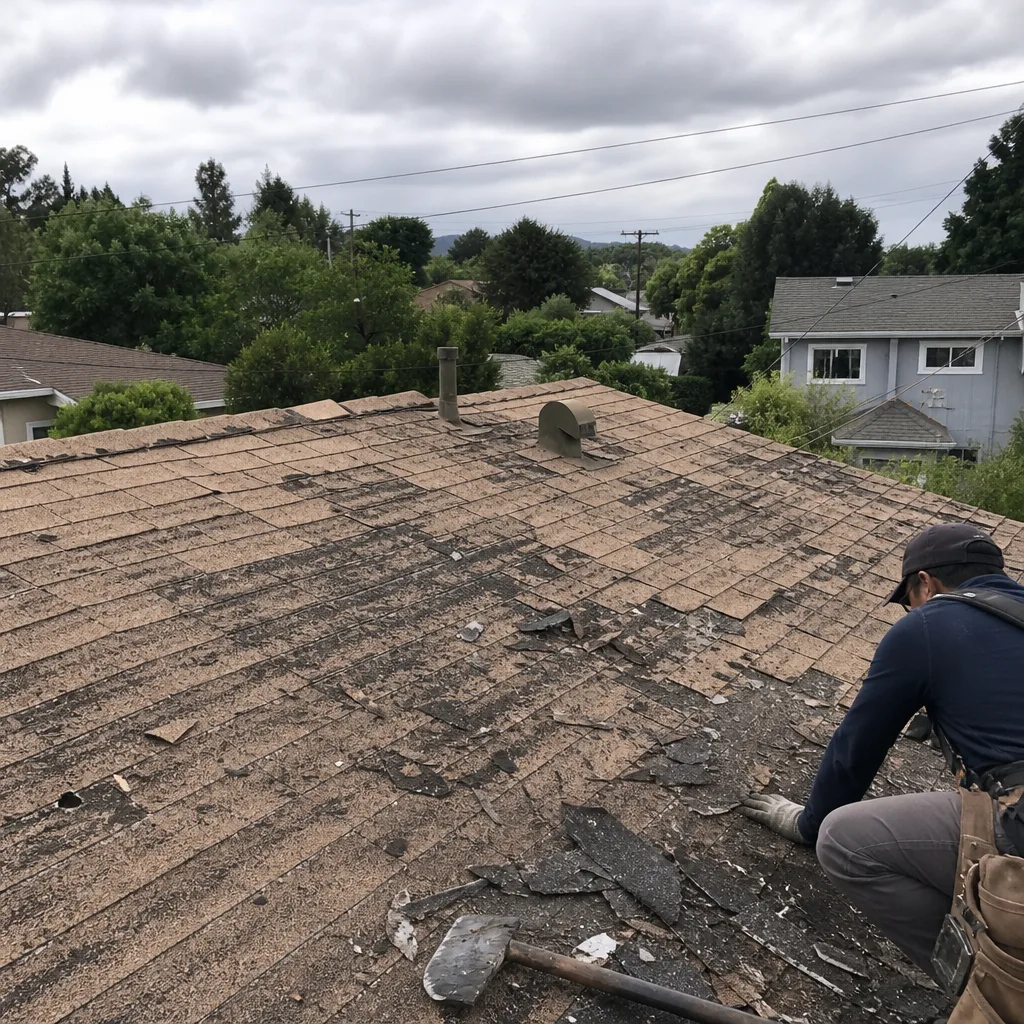 Before
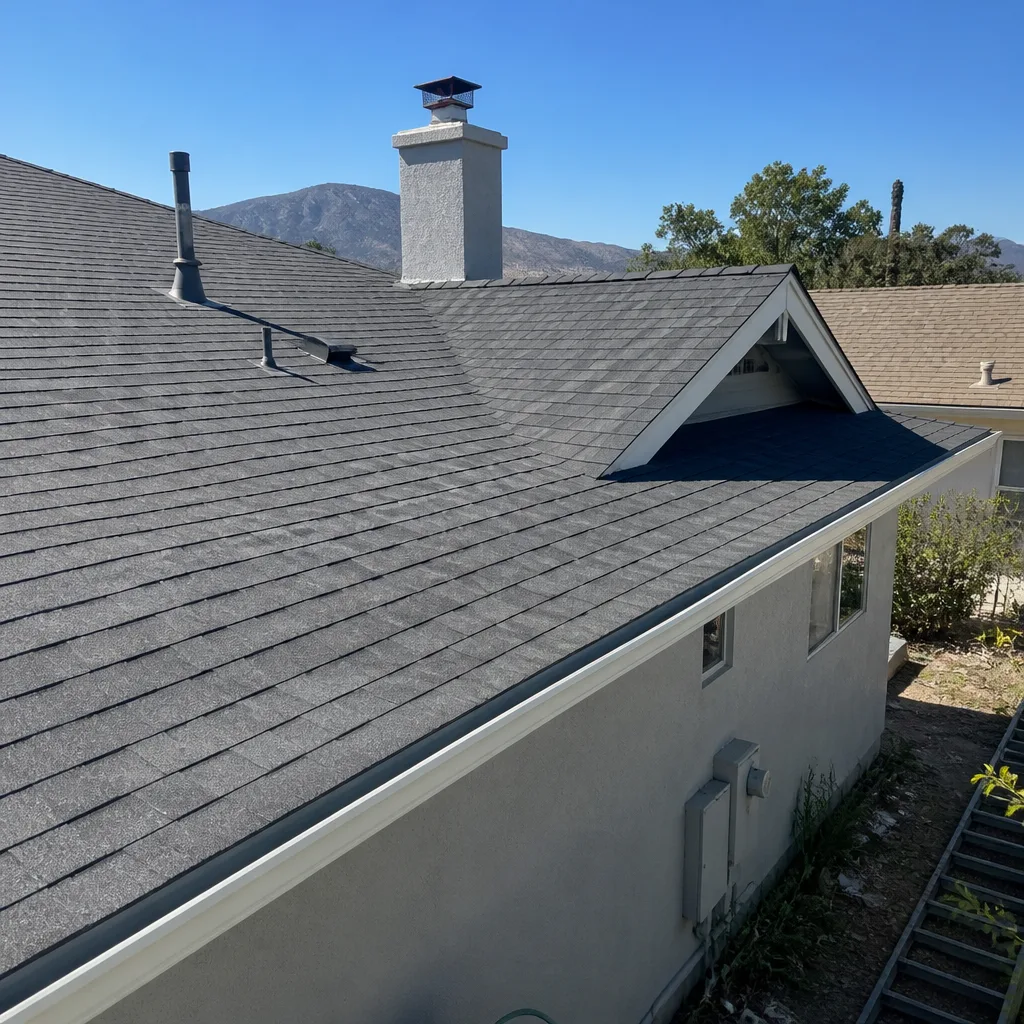 After
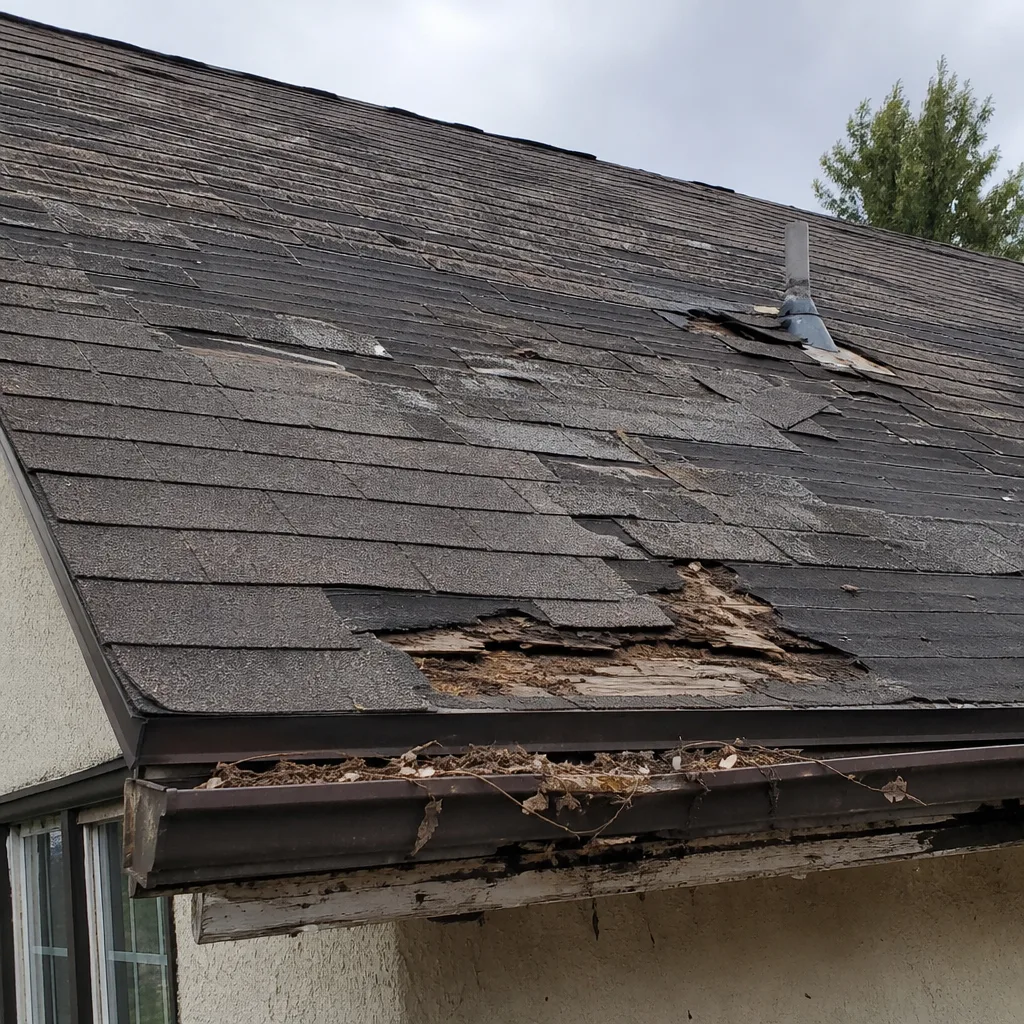 Before
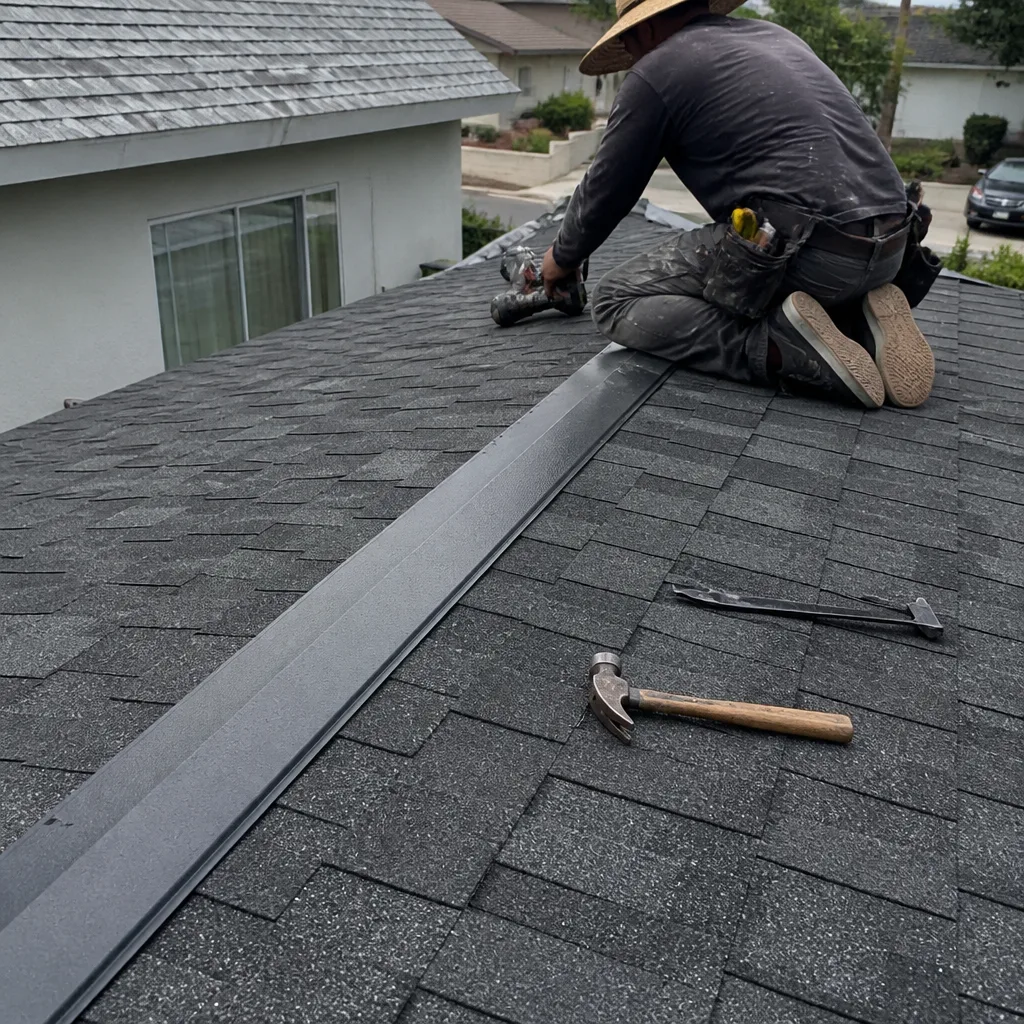 After
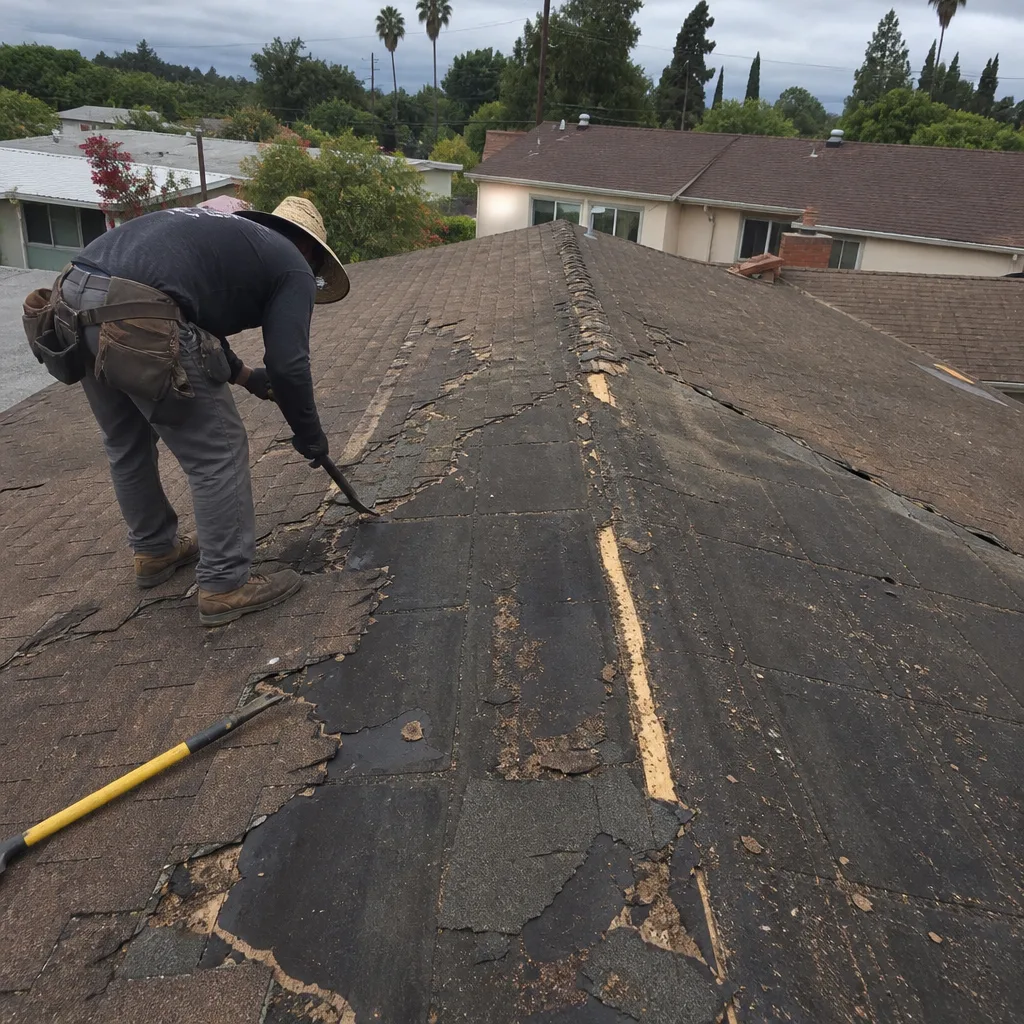 Before
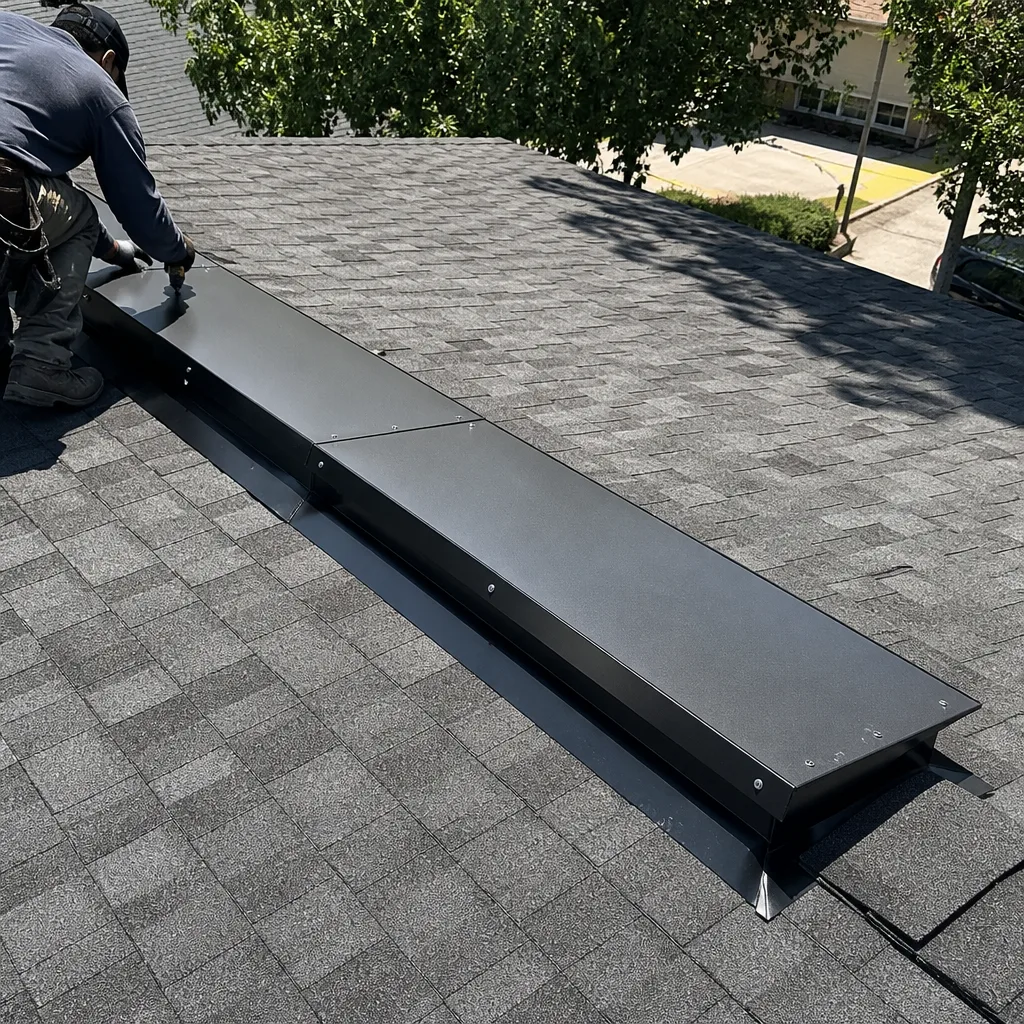 After