Last updated October 31, 2026
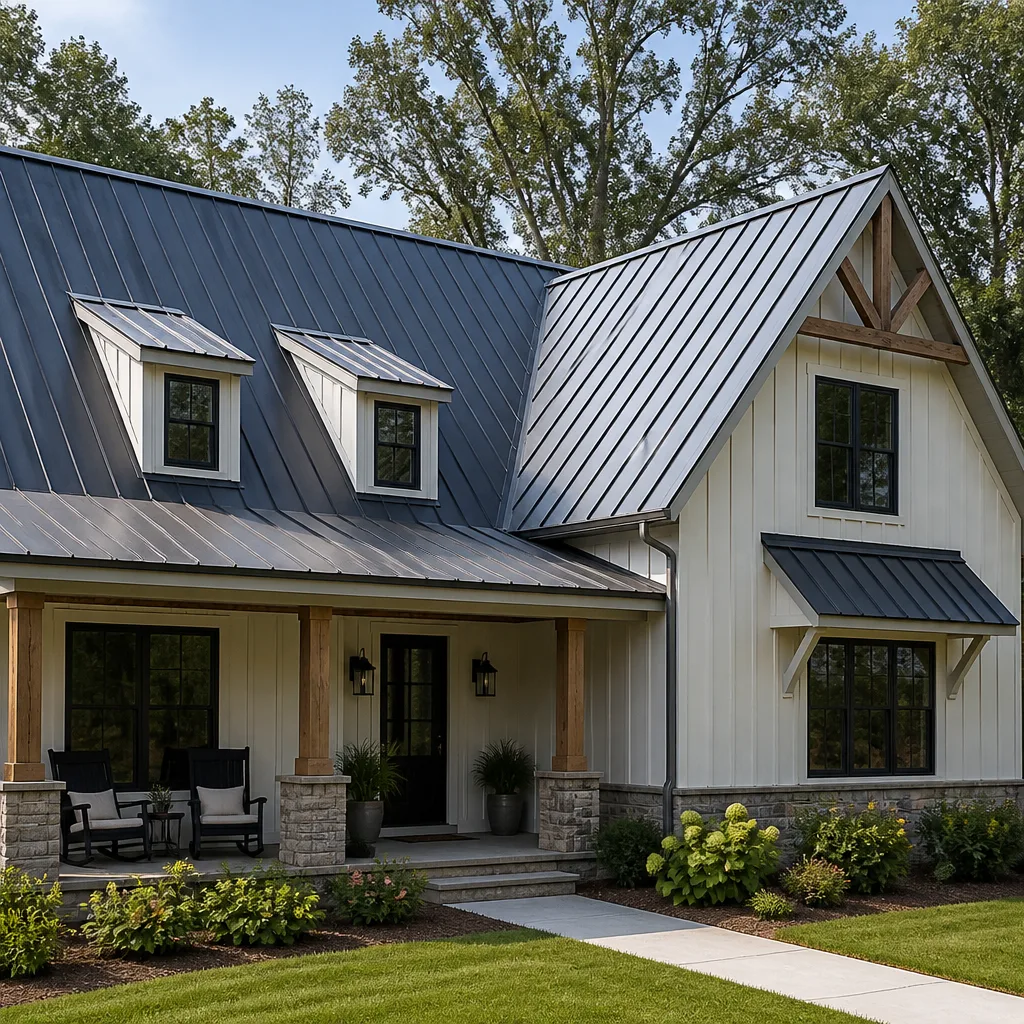 Metal roofing
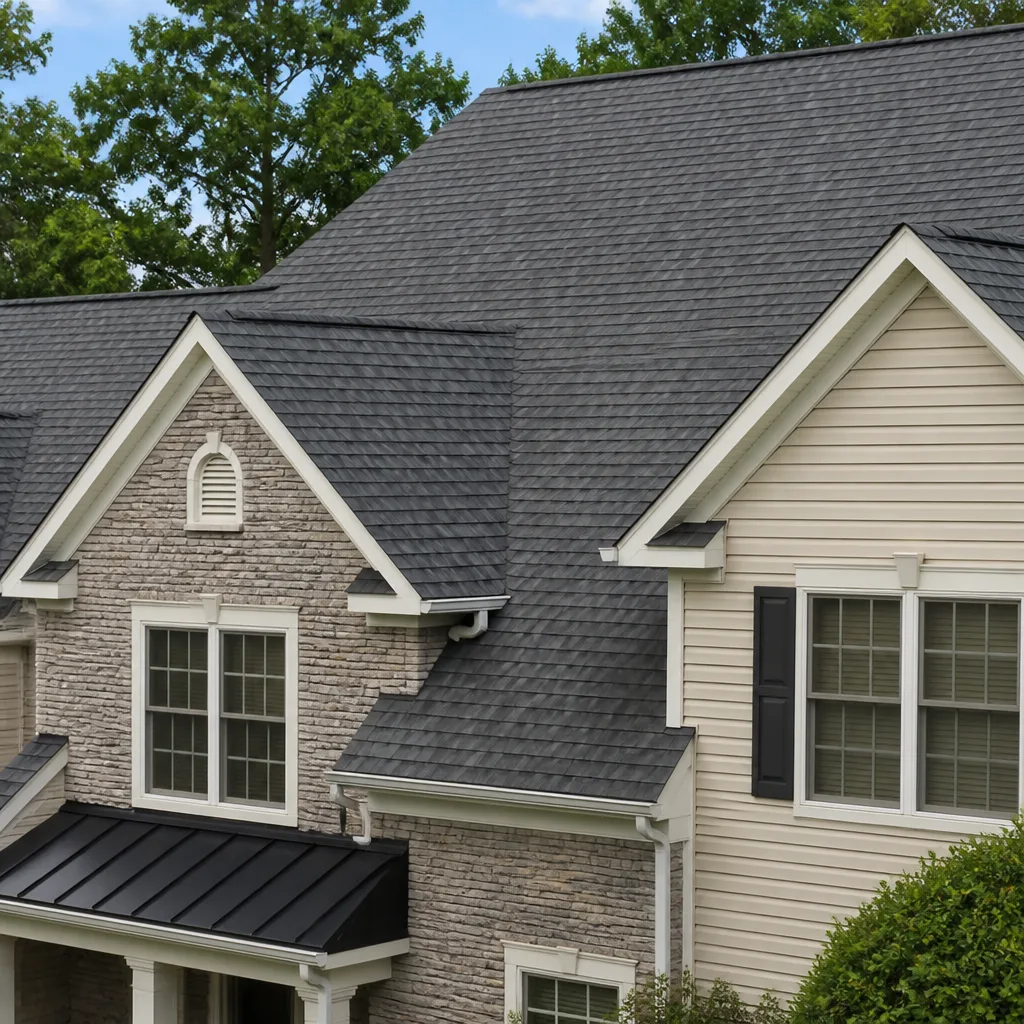 Architectural shingles
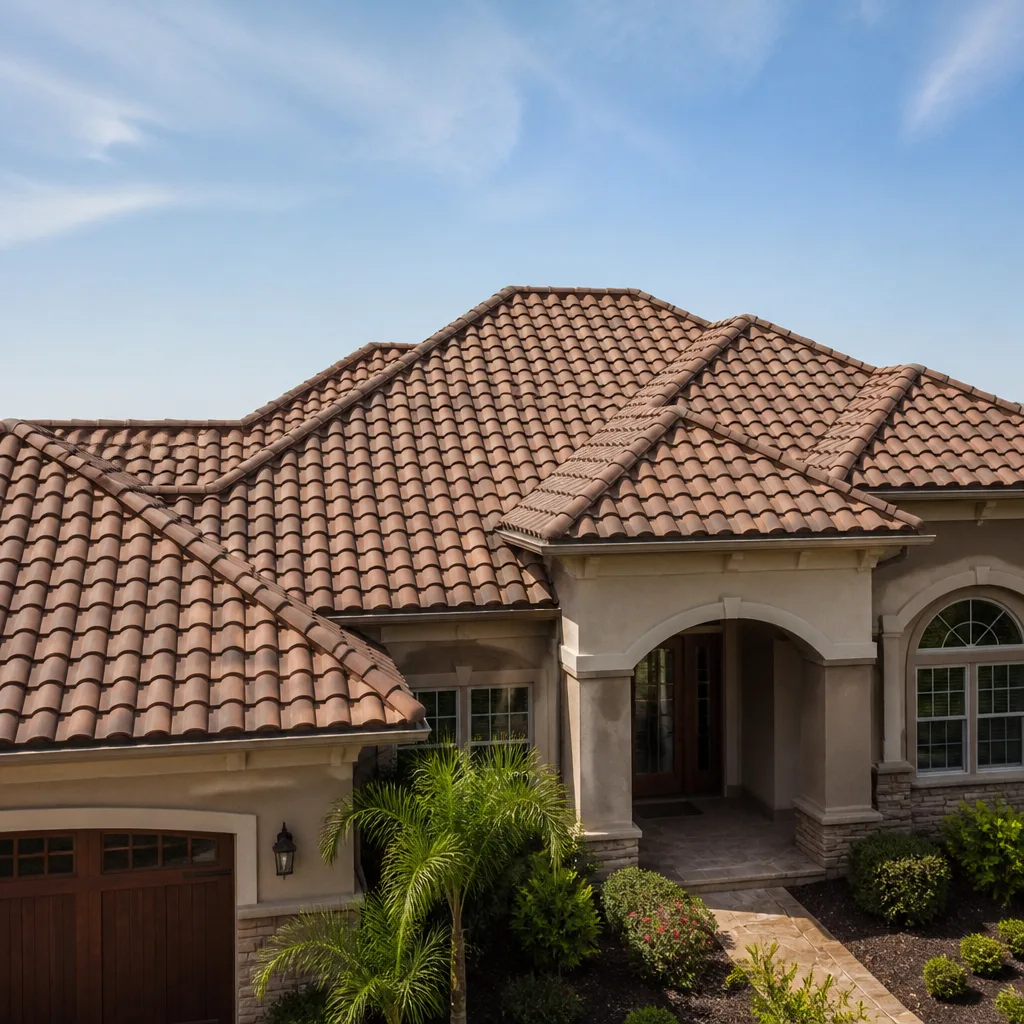 Tile roofing
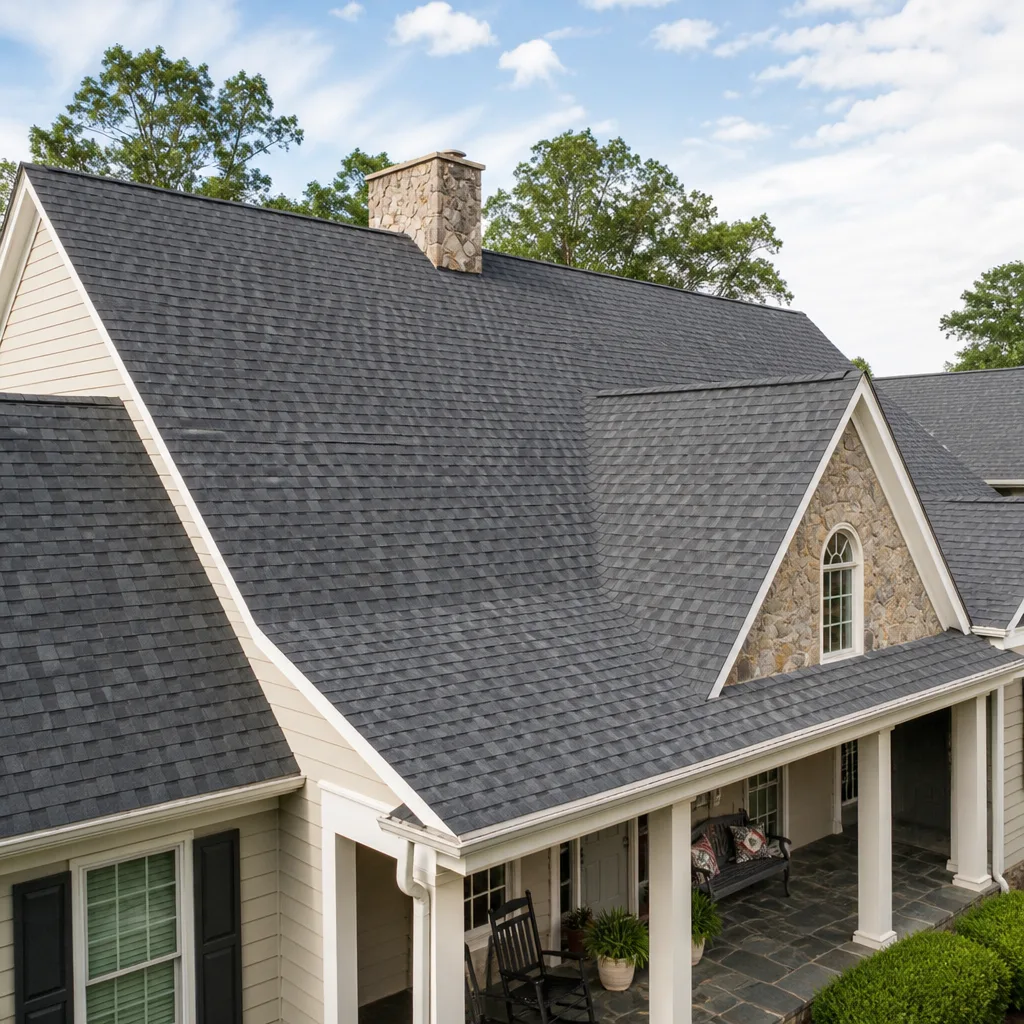 GAF
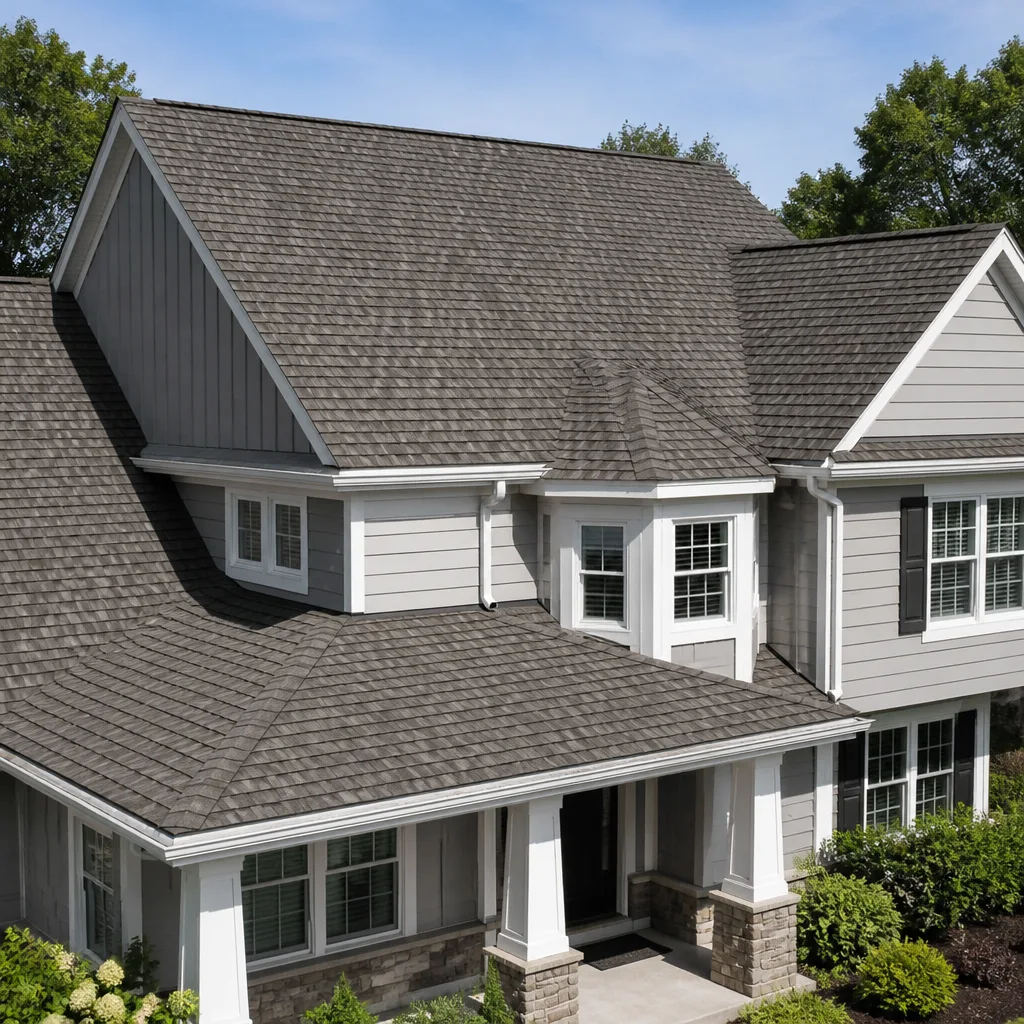 Owens Corning
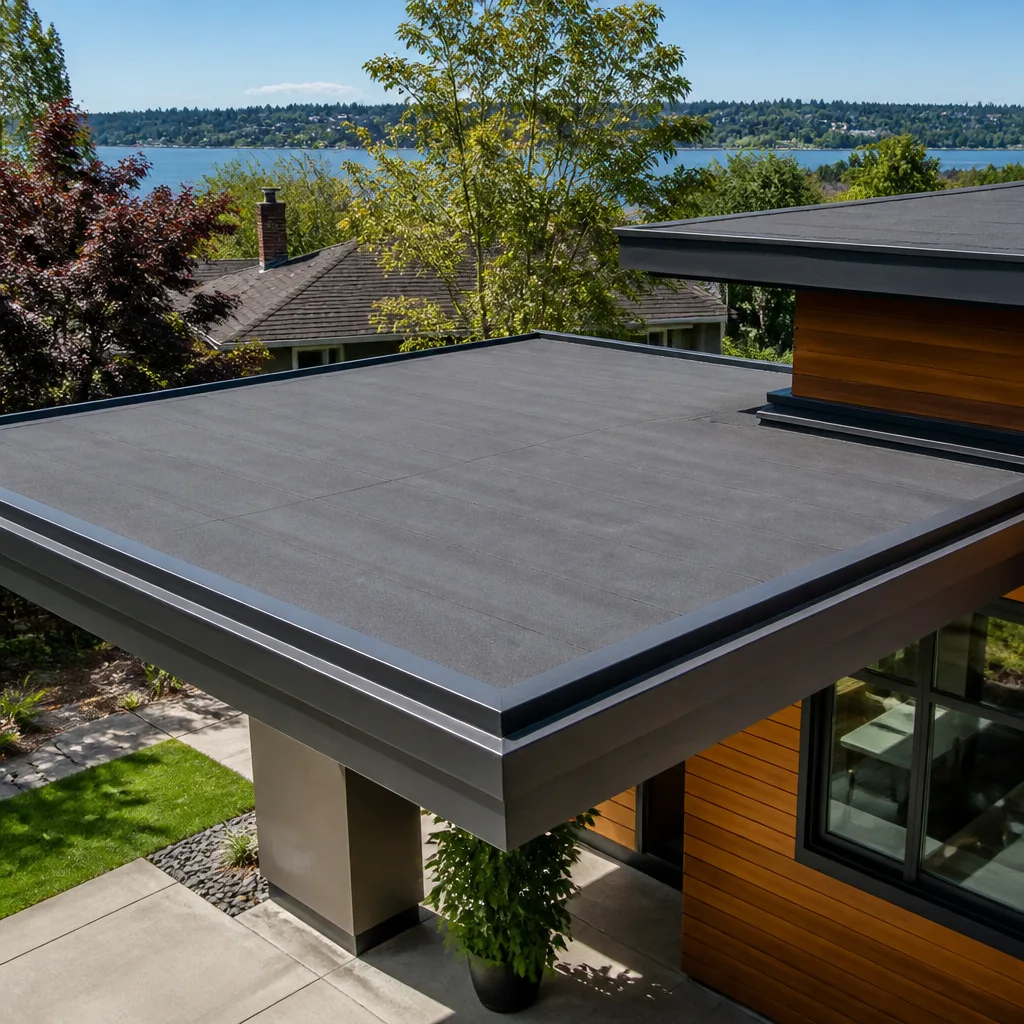 Flat & low-slope
Free roof inspection with deck photos before we talk money - GAF and Owens Corning certified installation
Roofing Permits, Codes & Inspections in CA: What You Need to Know
Here’s a counterintuitive fact about roofing in California: the most expensive mistake a homeowner can make usually isn’t choosing the wrong shingle. It’s skipping the permit. We’ve watched unpermitted roofs in Burbank become deal-killers at escrow, insurance claim denials after a windstorm, and stop-work orders that leave a house exposed to rain for weeks. This guide walks through the layered system California uses to regulate roofing work: the state building code, Title 24 energy rules, local Burbank amendments, and fire zone material mandates. For more guides & resources on navigating these requirements, see our blog. You’ll learn when a permit is actually required, what inspectors look for, and how to avoid the mistakes that cost homeowners thousands.
Quick Answer
In California, a roofing permit is required whenever you’re replacing the roof covering, changing the underlying decking, or altering the roof structure. Minor repairs covering less than 10% of the roof area within a 12-month period generally qualify for a repair exemption, though Burbank’s Building Division still wants repair work done to current code. Permits run $200 to $600 in Burbank, inspections happen at specific stages, and failing to pull a permit can void your homeowner’s insurance claim if the roof later fails.
Styles & brands we work with
Table of Contents
- When a California Roofing Permit Is Required vs. a Repair Exemption
- Title 24 Cool Roof Rules: What Burbank Homeowners Must Know
- CBC Structural Requirements That Affect Your Re-Roof
- VHFHSZ Fire Material Mandates: The Hidden Layer
- Burbank Building Division vs. LA County: Inspection Stage Differences
- Your Rights During the Inspection Process
- Common Mistakes to Avoid
- Frequently Asked Questions
When a California Roofing Permit Is Required vs. a Repair Exemption
The dividing line between a permit and a repair exemption in California is one of the most misunderstood rules in residential construction. The California Residential Code (CRC) requires a building permit for any work that removes and replaces the roof covering on more than 10% of the roof area within any 12-month period. If you’re replacing the entire roof, you need a permit. No exceptions, no gray area. If you’re patching a 4-foot square section of damaged shingles, that’s a repair and no permit is required.
Where homeowners get into trouble is with the square footage calculation. The 10% threshold applies to the total roof surface area, not the footprint of the house. A 2,000-square-foot home with a 4:12 pitch roof has roughly 2,100 to 2,300 square feet of actual roof surface. Ten percent of that is about 210 to 230 square feet. A repair that covers a 20-by-12 area (240 square feet) technically crosses the threshold and requires a permit. Most homeowners and even some handymen never do this math.
There’s a second trigger people miss: if any of the underlying sheathing or decking needs replacement, the work is no longer a simple repair. Opening up the roof deck means the inspector needs to verify the new sheathing meets current nailing patterns, thickness requirements, and that the roof assembly as a whole complies with current code. Burbank’s Building Division enforces this strictly. We’ve seen re-roofs where a contractor pulled off old shingles, discovered rotted decking, replaced it, and never called for an inspection. The homeowner only found out at the final inspection when the inspector flagged that the decking work was done without oversight.
Here’s the permit threshold breakdown for Burbank homeowners:
- Under 10% of roof area within 12 months: repair, no permit needed, but work must meet current code.
- 10% or more of roof area: permit required, full inspection cycle applies.
- Any decking or structural member replacement: permit required regardless of area.
- Changing roof covering material type: permit required, even if area is under 10% (e.g., asphalt to tile).
- Adding insulation or altering the roof assembly: permit required for Title 24 compliance verification.
The repair exemption exists for genuine maintenance. When a tree branch punches through a corner of the roof, or wind peels back a few shingles, homeowners shouldn’t have to wait weeks for a permit. But the exemption is narrow. If you’re unsure whether your project crosses the line, call Burbank’s Building Division or talk to a roofing contractor who pulls permits regularly. You can also review our Roofing Warning Signs: A Burbank Homeowner’s Reference Guide to spot problems early. A five-minute phone call beats a six-month escrow delay.
Title 24 Cool Roof Rules: What Burbank Homeowners Must Know
California’s Title 24 energy code isn’t just about insulation and windows. It directly controls what roofing materials you’re allowed to install on a replacement roof. The short version: in Burbank’s climate zone (Zone 9, or Zone 8 for hillside parcels), a re-roof must meet minimum cool roof standards unless the project qualifies for an exemption.
Here’s the technical detail. Title 24 measures a material’s ability to reflect solar heat using two metrics: Solar Reflectance Index (SRI) and aged solar reflectance. For a low-slope roof (2:12 pitch or less), the product must have an aged SRI of 75 or higher. For a steep-slope roof (greater than 2:12 pitch), the requirement drops to an aged SRI of 16 or higher. Burbank’s building stock is overwhelmingly steep-slope, which is why asphalt shingle replacement is still common here. But low-slope sections over additions, porches, or mid-century modern designs trigger the higher 75 SRI threshold, which eliminates almost all standard asphalt products and pushes you toward reflective single-ply membranes or coatings.
There’s an exemption in the code that matters for Burbank homeowners with older homes: if the roof is below 2,500 square feet and the existing roof assembly didn’t require cool roof compliance at original construction, the re-roof may be exempt from the SRI requirement. However, Burbank’s climate zone and elevation means many homes don’t qualify. Don’t guess. The contractor pulling the permit should verify the specific exemption for your parcel’s climate zone and roof design.
Material selection gets interesting here. Some traditional materials fail Title 24 outright. Standard dark asphalt shingles often fall below the 16 SRI threshold unless they’re specifically rated as cool roof products. Certain IKO, Atlas, and Tamko lines carry cool roof-rated color options that meet or exceed Title 24. Clay tile and slate generally pass without issue. The key is checking the manufacturer’s CRRC (Cool Roof Rating Council) product listing before you buy. The aged solar reflectance value, not the new reflectance, is what counts. A shingle that tests at 0.25 new and 0.15 aged fails; you need aged values that clear the threshold.
Burbank’s marine-influenced climate adds a wrinkle: cool roof products work differently under our coastal haze and morning fog than under direct desert sun. SRI values are tested in standardized conditions, and the real-world energy savings in Burbank will be lower than what a Sacramento homeowner experiences in July. That doesn’t change the compliance requirement. It just means you shouldn’t overspend on a premium cool roof product expecting desert-level cooling savings. We guide Burbank clients toward products that meet Title 24 without paying a premium for reflectivity they’ll never fully realize in this climate. Our Seasonal Roofing Care for Burbank: Year-Round Homeowner’s Guide explains how local weather patterns affect long-term roof performance.
CBC Structural Requirements That Affect Your Re-Roof
California Building Code (CBC) Chapter 15 governs roof assemblies and roof coverings. The structural provisions most homeowners never hear about are the ones that cause failed inspections and expensive change orders. These requirements aren’t optional, and Burbank inspectors check them.
The first is roof deck attachment. If your existing plywood or OSB sheathing is thinner than current code minimums (usually 7/16-inch OSB or 15/32-inch plywood, depending on rafter spacing), or if it’s nailed with undersized fasteners at overly wide spacing, the inspector can require you to add supplemental fasteners or replace decking sections entirely. We’ve seen 1960s-era Burbank homes with 3/8-inch plywood nailed at 12-inch spacing fail inspection because current code for the rafter span requires a thicker panel or tighter nailing pattern.
Second is underlayment. California now requires a minimum of one layer of ASTM D226 Type II (or equivalent) underlayment for asphalt shingle roofs in most climate zones. Burbank’s exposure to occasional heavy rain events means skipping or skimping on underlayment isn’t just a code issue; it’s a leak waiting to happen. Some high-end products like Boral tile and certain slate systems specify two-ply underlayment. The inspector will verify the product and the install method.
Third is flashing. CBC mandates minimum flashing details at roof penetrations, chimneys, skylights, valleys, and sidewall intersections. Inspectors in Burbank pay particular attention to kickout flashing at roof-wall intersections, a detail that was added to code relatively recently and that older roofs almost universally lack. A missing kickout flashing is a common correction notice on re-roof inspections.
Fourth is fastener requirements. Each shingle must be fastened per the manufacturer’s installation instructions, which are adopted by reference into the code. The inspector can ask to see the product’s installation spec sheet. If the contractor used 4 nails per shingle where the manufacturer required 6, or used staples where nails were specified, that’s a failed inspection.
What Burbank homeowners need to understand: the structural code isn’t a menu. You can’t negotiate your way out of decking replacement if the existing roof doesn’t meet current standards. But you can plan for it by getting a roof inspection before you sign a replacement contract. We perform diagnostic inspections that identify which code provisions will trigger upgrades before the tear-off starts, so the estimate reflects the actual work, not the work plus surprise change orders halfway through.
VHFHSZ Fire Material Mandates: The Hidden Layer
California’s fire code adds a layer that no state energy code or structural code addresses: Very High Fire Hazard Severity Zones (VHFHSZ). If your Burbank parcel falls inside a VHFHSZ, you cannot install just any code-compliant roofing material. The material must also earn a Class A fire rating under ASTM E108 or UL 790 testing.
Here’s what catches homeowners off guard: a product can be perfectly compliant with Title 24 energy requirements and CBC structural standards while still being prohibited on your specific parcel because it carries only a Class B or Class C fire rating. Untreated wood shake is the classic example. Many Burbank hillside neighborhoods in the Verdugo foothills are inside VHFHSZ boundaries, and the Building Division will reject a wood-shake roof application in those zones even though wood shake was the original roofing on many of these homes.
The VHFHSZ map is parcel-specific. Two homes on the same block can have different requirements if one falls inside the zone boundary and the other doesn’t. Burbank’s Building Division maintains the official maps and uses them during plan review. Before you fall in love with a particular roofing material, verify the fire zone designation for your exact address. We do this check on every replacement estimate as standard practice because guessing wrong means either plan rejection or a failed inspection.
Most asphalt shingles from major manufacturers carry Class A ratings by default. IKO‘s asphalt shingle lines, Atlas‘s StormMaster and Pinnacle series, and Tamko‘s Heritage lines are all Class A fire rated. The same is true for concrete tile and clay tile products, including Boral roof tile. Where Class A compliance gets tricky is with synthetic shake, some metal profiles, and architectural panels that may need additional underlayment assemblies to achieve the rating.
The sequence matters. VHFHSZ material compliance is checked during plan review, before you ever get to inspection. If your chosen material doesn’t meet the fire requirement for your parcel, the permit application dies there. That’s why we verify fire zone designation and material rating before quoting. An informed material choice upstream prevents a rejected permit application downstream.
Burbank Building Division vs. LA County: Inspection Stage Differences
Burbank operates its own Building Division with its own inspection protocols. Los Angeles County has separate procedures. They are not identical, and if you’re comparing bids from contractors who work both jurisdictions, you should ask which inspection schedule they’re building into the project timeline.
Here’s the standard Burbank re-roof inspection sequence for a full replacement:
- Plan review and permit issuance: Building Division reviews the application, verifies fire zone and Title 24 compliance, and issues the permit. This typically takes 3 to 10 business days in Burbank.
- Pre-tear-off inspection (sometimes): Burbank may require an inspection of the existing roof before tear-off if the project involves structural repairs or if the original construction is unusual. Not every re-roof triggers this step.
- Decking inspection: After the old roof is removed and any decking replacement is done, the inspector verifies decking thickness, fastener pattern, and condition. This is a required hold point. No roofing material may be installed before this inspection passes.
- Underlayment inspection: Burbank requires verification that the underlayment product and installation method match approved plans. This happens before the roof covering goes down.
- Final inspection: After the roof covering, flashing, and all details are complete, the inspector does the final walk. This includes verifying the product installed matches the permit documents.
LA County, by contrast, often combines the decking and underlayment inspections into a single visit for simple re-roofs, and the pre-tear-off inspection is less common. The net effect: Burbank re-roofs tend to run a day or two longer on the inspection timeline because of hold points at each stage. That’s not a bad thing. More inspection holds means fewer chances for serious defects to get buried under shingles before anyone catches them.
One more Burbank-specific note: the city requires the permit card to be posted and visible from the street during active work. Inspectors can and will flag a job where the card is tucked inside a drawer. It’s a small compliance detail, but it signals to the inspector whether the contractor runs a tight process. Contractors who don’t post permits are more likely to have other paperwork issues. When you hire a Roof Repair in Burbank contractor who manages the permit process end to end, this stuff gets handled without you needing to think about it.
Your Rights During the Inspection Process
Inspectors hold significant authority, but you are not without rights in the process. Understanding the boundary between what an inspector can require and what they cannot prevents unnecessary anxiety and helps you push back when a correction notice overreaches.
An inspector can require any work necessary to bring the roof into compliance with the code edition in effect at the time of permit issuance. That includes requiring you to upgrade non-compliant decking, re-flash penetrations, add underlayment, or redo work that was installed incorrectly. An inspector cannot require work that goes beyond the code unless they cite a specific section. “I don’t like how that looks” is not a valid correction notice. “Section R905.7.3 requires kickout flashing at this intersection” is.
A failed inspection isn’t the end of the project. It’s a correction list. The inspector documents the deficiencies, the contractor fixes them, and a re-inspection is scheduled. Re-inspection fees apply in Burbank, typically $50 to $150 depending on the scope. That fee should be assigned to whoever caused the failure. If your contractor installed the underlayment wrong, the contractor pays the re-inspection fee. Write this into your contract before work starts.
If you believe a correction notice is wrong, you have a formal path: request a code interpretation from the Building Official. You’ll need to cite the specific code section in dispute. In practice, this rarely goes in the homeowner’s favor when it comes to roofing, because roofing code provisions are fairly prescriptive. But it exists, and it’s worth using if an inspector is requiring something that clearly isn’t in the code.
The most important right you have: you are entitled to see every correction notice in writing. Verbal-only corrections lead to disputes later. Make sure your contractor provides you with the written inspection reports from every stage. At Marquis Roof Repair, every permit inspection result is shared with the homeowner the same day it happens, with plain-English explanation of any correction items and the plan to resolve them. The Marquis Roof Repair home page has more on our full inspection and permit management process.
Common Mistakes to Avoid
- Treating a full re-roof as a “repair” to skip the permit. This is the most expensive mistake we see in Burbank. The money saved on permit fees is a fraction of what an unpermitted roof costs at sale or after an insurance claim denial.
- Signing a contract that doesn’t specify who pulls the permit. If the contract is silent, the homeowner is legally responsible for the permit. If the contractor says “we handle that,” get it in writing.
- Choosing a material by look before checking Title 24 and VHFHSZ compliance for your specific parcel. A dark, non-cool-roof shingle or a Class B material can fail plan review, and restocking fees or material forfeiture eat your budget.
- Assuming the old roof is code-compliant enough to re-cover without decking replacement. Older Burbank homes frequently have decking below current thickness standards. Budget for upgrades before you sign.
- Not verifying that the product installed matches the product on the permit. Contractors sometimes swap materials mid-job to save cost. The final inspection checks this, but if the inspector doesn’t catch it, you may have a roof with a voided manufacturer warranty.
- Paying the full contract amount before the final inspection passes. Hold at least 10% until final inspection approval is documented. This keeps leverage in your hands if correction items remain.
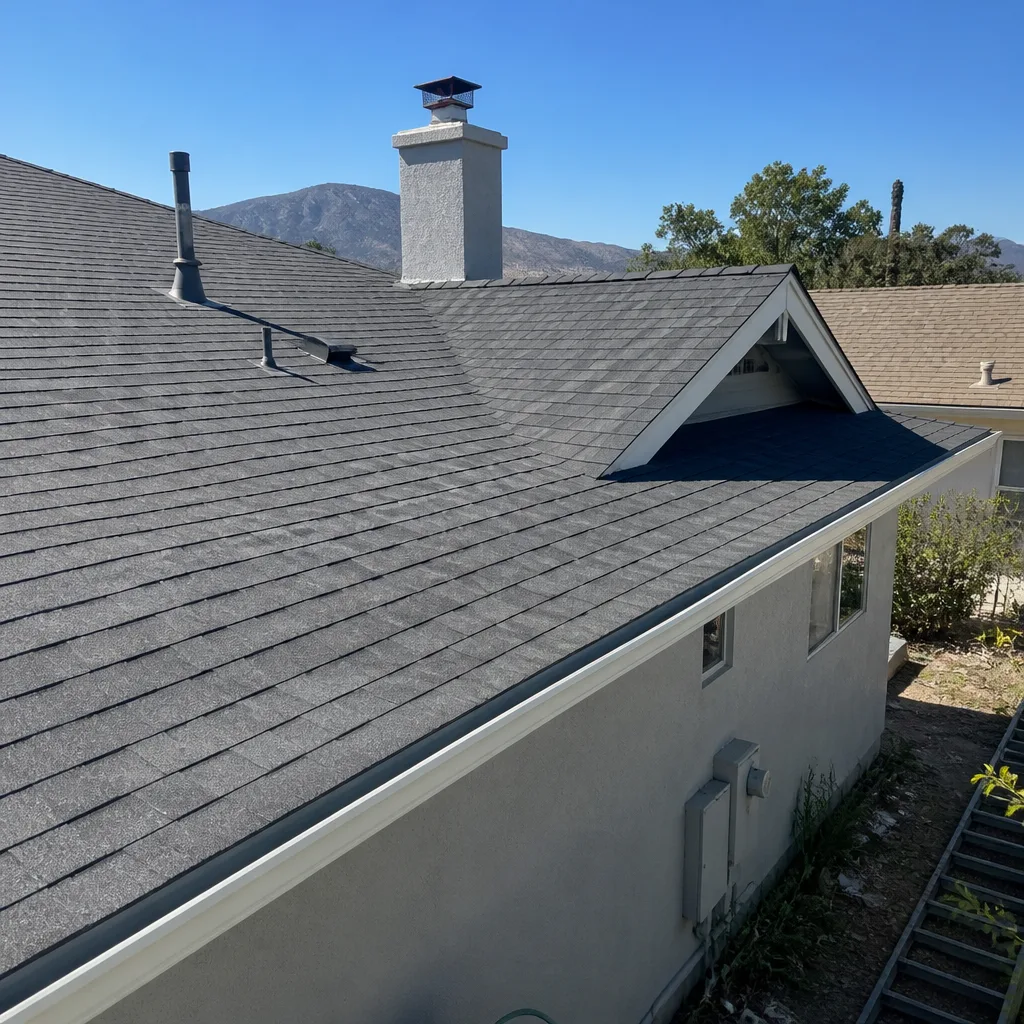
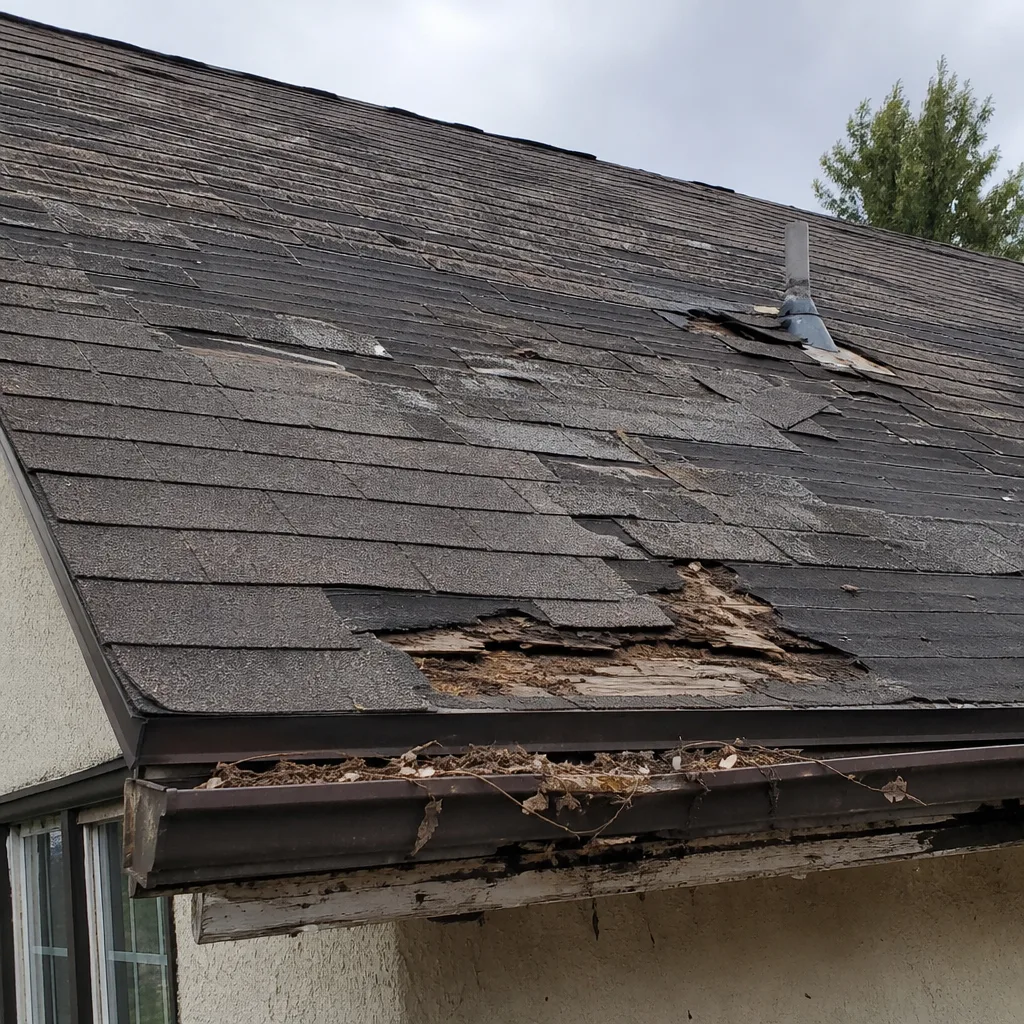
See the difference
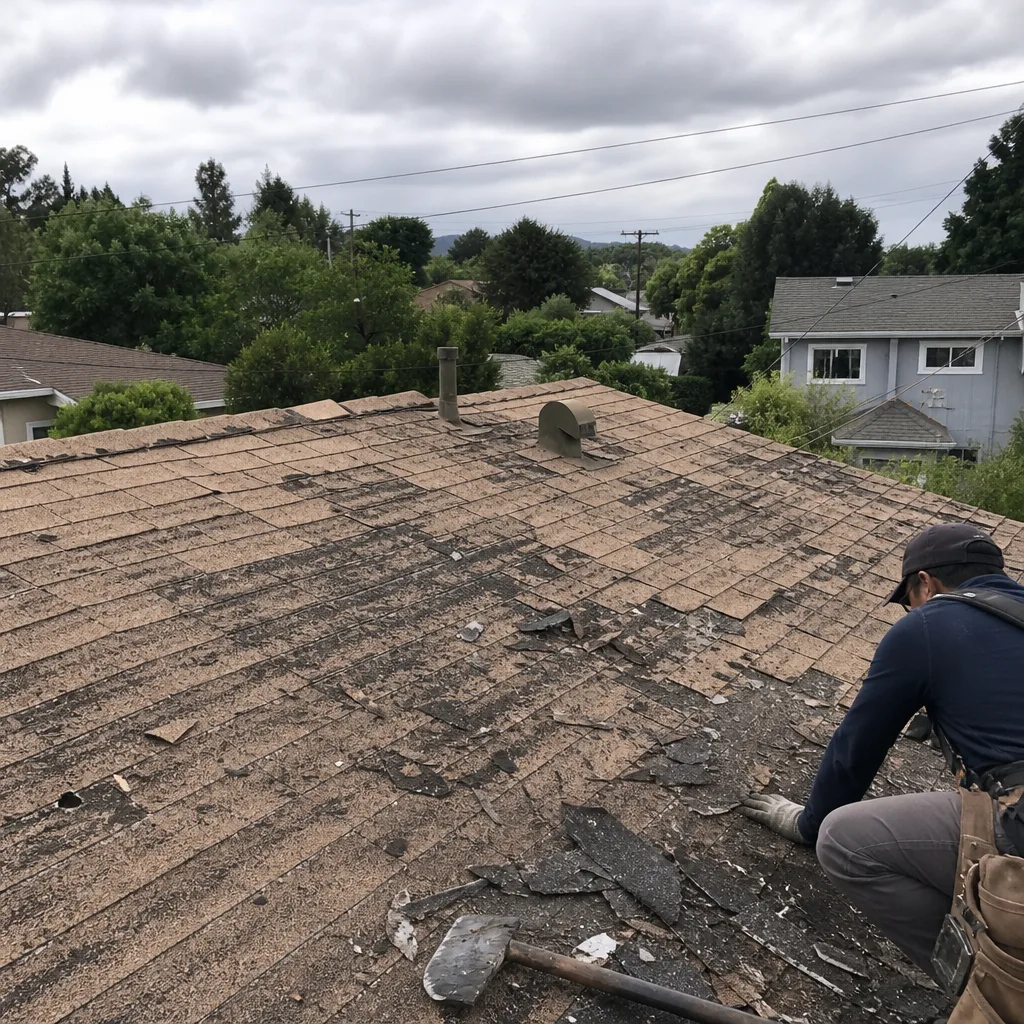 Before
 After
 Before
 After
 Before
 After
When to Call a Professional
If your roof has reached the point where a replacement is on the horizon, the permit and code questions you’ve read about here are not going to resolve themselves. A professional who pulls permits in Burbank weekly already knows the Building Division’s current process, the inspection hold points, and which products clear Title 24 and VHFHSZ review. That knowledge prevents project delays and rejected plans. If you’re in Burbank and want to understand exactly what your specific roof will require before you commit, Marquis Roof Repair offers free estimates. Call (866) 705-2978 and we’ll walk your roof, assess the permit and code obligations for your parcel, and give you a written scope that reflects the actual work. If you’re still in the assessment stage, a Roof Inspection in Burbank is the right first step. If replacement is inevitable, see our Roof Replacement in Burbank page for what the full process involves.
Frequently Asked Questions
A roofing permit in Burbank typically runs $200 to $600 depending on the project valuation and scope. Re-roofs with structural work or decking replacement fall on the higher end. Permit fees are separate from contractor labor and materials, and they should be itemized in your contract. Call (866) 705-2978 and we can give you a permit cost estimate for your specific roof during a free walkthrough.
No permit is required if the repair covers less than 10% of the total roof surface area within a 12-month period, as long as no decking replacement or structural alteration is involved. The 10% is calculated on actual roof surface area, not home footprint. If you’re near the threshold, verify with Burbank’s Building Division before work starts.
Unpermitted roofing work becomes a disclosure item in the sale process. Buyers can demand the work be retroactively permitted, which often requires removing the roof covering for inspection, or they can use it to negotiate a lower price. Some lenders will refuse to finance homes with unpermitted structural work. The cost to resolve an unpermitted roof at sale is usually far higher than the permit and inspection costs would have been upfront.
Most standard HO-3 policies contain language excluding coverage for damage caused by or worsened by work that didn’t meet code at the time of installation. If your unpermitted roof fails during a storm and an adjuster determines the installation wouldn’t have passed inspection, the claim can be denied or reduced. This is one of the most painful discoveries we see in Burbank, usually after a major weather event.
California law allows owner-builders to pull permits for their own residence, but Burbank requires the owner-builder to sign an affidavit verifying they live on the property. The owner-builder then assumes all liability for code compliance and worker safety. Given the complexity of roofing code layers in California, most homeowners are better served by a licensed contractor who manages the permit process.
Plan for 3 to 10 business days for plan review and permit issuance, then the tear-off and re-roof itself runs 2 to 5 days for most homes. Inspection hold points add time between stages. A typical Burbank re-roof goes from permit application to final approval in 2 to 3 weeks, assuming no correction items. Structural repairs or unusual roof designs extend the timeline. Call (866) 705-2978 for a project-specific estimate based on your roof’s condition.
The Bottom Line
California’s roofing code isn’t one document. It’s a stack: Title 24 energy rules, CBC structural provisions, local Burbank amendments, and VHFHSZ fire mandates all intersect on every roof. The homeowners who avoid problems are the ones who understand that the permit isn’t bureaucracy; it’s the mechanism that verifies your roof was installed to the standard that protects your insurance coverage and your resale value. If you’re in Burbank and facing a re-roof, start with a professional assessment that accounts for each code layer on your specific parcel. The cheapest path through the process is the one that gets the permit right the first time.
Written by the team at Marquis Roof Repair, serving Burbank since 2014.